Southern Oregon’s climate is changing, with hotter, drier summers and frequent drought conditions putting strain on traditional lawns. In 2023, Jackson County was under a drought emergency1, and by 2025 parts of Southern Oregon were again declared in severe drought2.
Homeowners in the Grants Pass area often find that maintaining a lush green lawn is increasingly difficult amid water restrictions and rising costs. Replacing your natural grass with artificial turf (or other eco-friendly alternatives) can be a smart solution to save water, reduce maintenance, and keep your yard looking great year-round.
Below are 10 telltale signs that it may be time to make the switch, along with tips from M&B Landscaping on sustainable lawn alternatives.
1. Your Lawn Is Brown, Patchy, or Lifeless
If your lawn has become more of an eyesore than an asset – full of brown patches, bare spots, or weeds – it’s a strong sign something needs to change. Not only does a dry, patchy lawn detract from your home’s curb appeal, it can even impact your property value. Real estate experts note that well-maintained landscaping can boost a home’s value by as much as 15–20%3, whereas overgrown weeds or dead grass create a poor first impression4.
Southern Oregon lawns often turn brown in late summer when irrigation is limited, leaving homeowners with the choice of a dormant, straw-colored yard or very high water bills. If you’re tired of your lawn looking lifeless for part of the year, replacing it with artificial turf is a sure way to achieve a consistently green, manicured look.
Today’s high-quality synthetic grasses even have varying blade heights and colors for a natural appearance that stays vibrant in all seasons5. Instead of reseeding or patching bare spots each year, an artificial lawn will give your home instant curb appeal and a landscape that’s always “show-ready.”
2. Water Bills (and Water Worries) Keep Rising
Does it feel like you’re pouring money down the drain just to keep your grass alive? Outdoor irrigation is a huge water consumer – the EPA estimates nearly one-third of all residential water is used for landscape irrigation, mostly lawns6. In arid summer climates, outdoor use can soar to 60% of a household’s water7. That adds up on your monthly bill.
By replacing a natural lawn with artificial turf, homeowners can drastically cut their water use. Studies in water-scarce regions have found that synthetic turf can save on the order of 50+ gallons of water per square foot per year that would have been used on grass8.
For a typical yard, that’s tens of thousands of gallons saved annually. Beyond cost, conservation is critical in Southern Oregon’s drought-prone environment. Local utilities have even imposed lawn watering bans during emergencies to protect the water supply10.
Installing a low-water landscape like artificial turf means you no longer have to worry whether your sprinklers will be shut off during a dry spell. You’ll enjoy a green lawn even under strict water restrictions – guilt free and budget friendly.
3. You’re Spending Too Much Time and Money on Maintenance
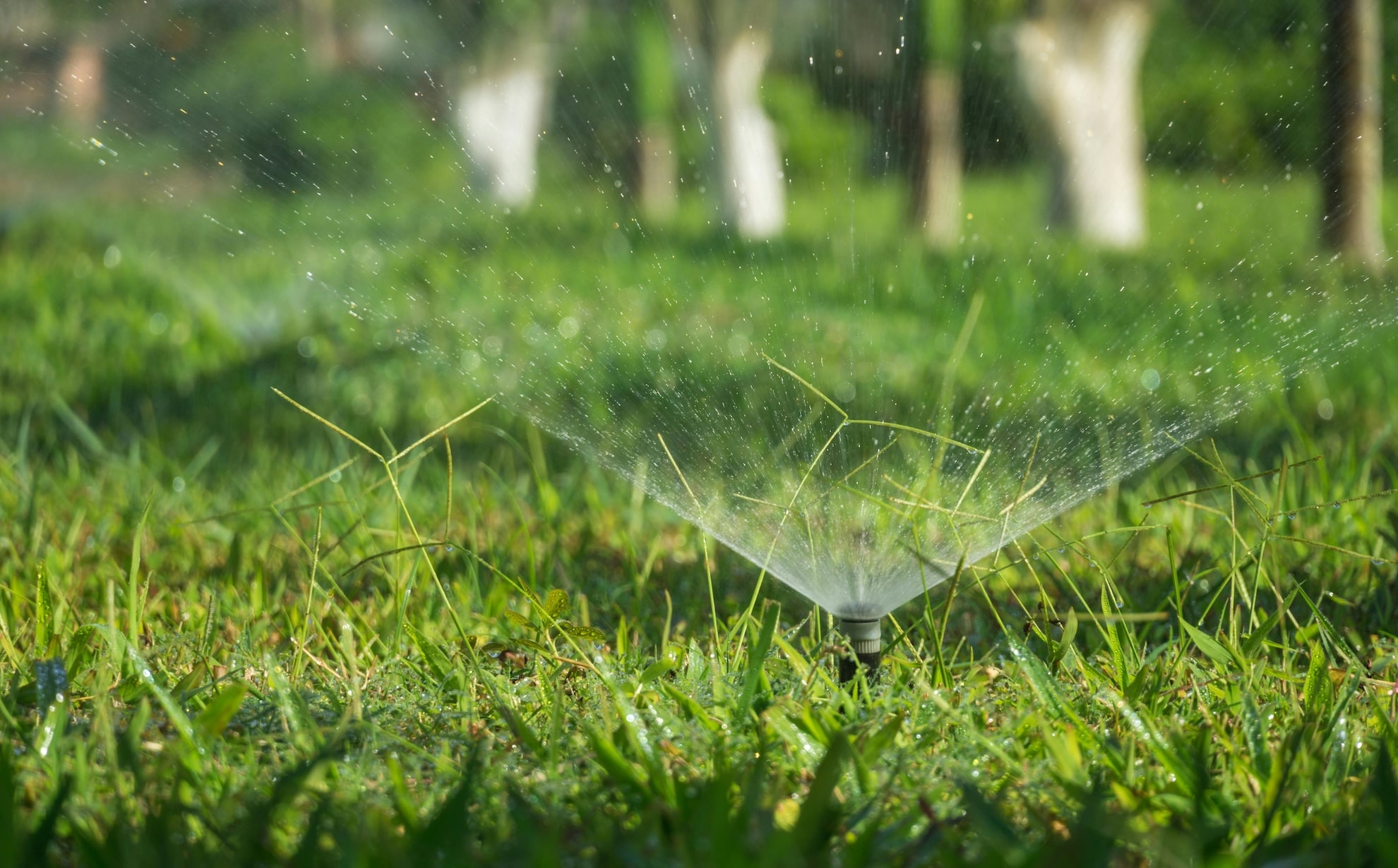
Maintaining a traditional lawn can feel like a part-time job (or a part-time expense). Between weekly mowing, edging, fertilizing every season, aerating, weeding, and repairing damage, the hours add up.
The average American homeowner spends around 70 hours a year on lawn and garden care11, and collectively, Americans spend over $100 billion annually on lawn care services and equipment12. If you find your weekends dominated by yard work, that’s a sign your lawn is demanding too much.
Artificial turf, by contrast, is ultra-low maintenance – no mowing, no fertilizing, no re-seeding bare patches. A quick rinse or leaf blower pass now and then is usually all that’s needed to keep it looking neat. By switching to turf, you can reclaim your free time while also saving on ongoing maintenance costs like mower fuel, irrigation system repairs, and lawn treatments.
Over the life of an artificial lawn (typically 10–15+ years14), those savings really add up. You can redirect your time and money to enjoying your yard rather than constantly laboring in it.
4. Lawn Care Is Harming the Environment and Your Conscience
Many homeowners are uneasy about the environmental impact of maintaining a traditional lawn. A grass lawn may look “green,” but keeping it alive and pristine often requires a heavy environmental footprint. Consider the resources and pollution involved in conventional lawn care: gas-powered mowers and equipment contribute roughly 5% of the nation’s air pollution15 – in fact, running a gas mower for one hour can emit as much pollution as driving a car 300+ miles16.
Then there’s the chemical side. American lawns are doused with an estimated 80 million pounds of pesticides each year17, plus millions of tons of synthetic fertilizers. These chemicals can run off into local streams and soil, posing risks to wildlife and pets. Replacing your natural grass with an eco-friendly alternative like artificial turf or native groundcovers can significantly reduce these impacts. Synthetic turf needs no fertilizers or pesticides, immediately eliminating chemical runoff issues.
You also won’t be burning gasoline to mow each week, cutting down on emissions. Energy and water savings are a big win too – over a couple decades, a synthetic lawn saves enormous amounts of water and fuel that would otherwise be used to water and mow grass18. For environmentally conscious homeowners, making the switch can be a way to create a more sustainable yard.
M&B Pro Tip: if you’re concerned about the recyclability of artificial turf, know that its lifespan is long, often 15-25 years, and new recycling programs are emerging as turf grows in popularity.
5. Pests or Diseases Constantly Plague Your Lawn
Sometimes a lawn just isn’t healthy no matter what you do. If you’ve battled lawn diseases (like fungus or blight) or fought off pest infestations year after year, it may be time to throw in the trowel. Certain insects can wreak havoc on grass in our region – for example, European crane fly larvae feed on turfgrass roots and can completely destroy a lawn when infestations are severe20.
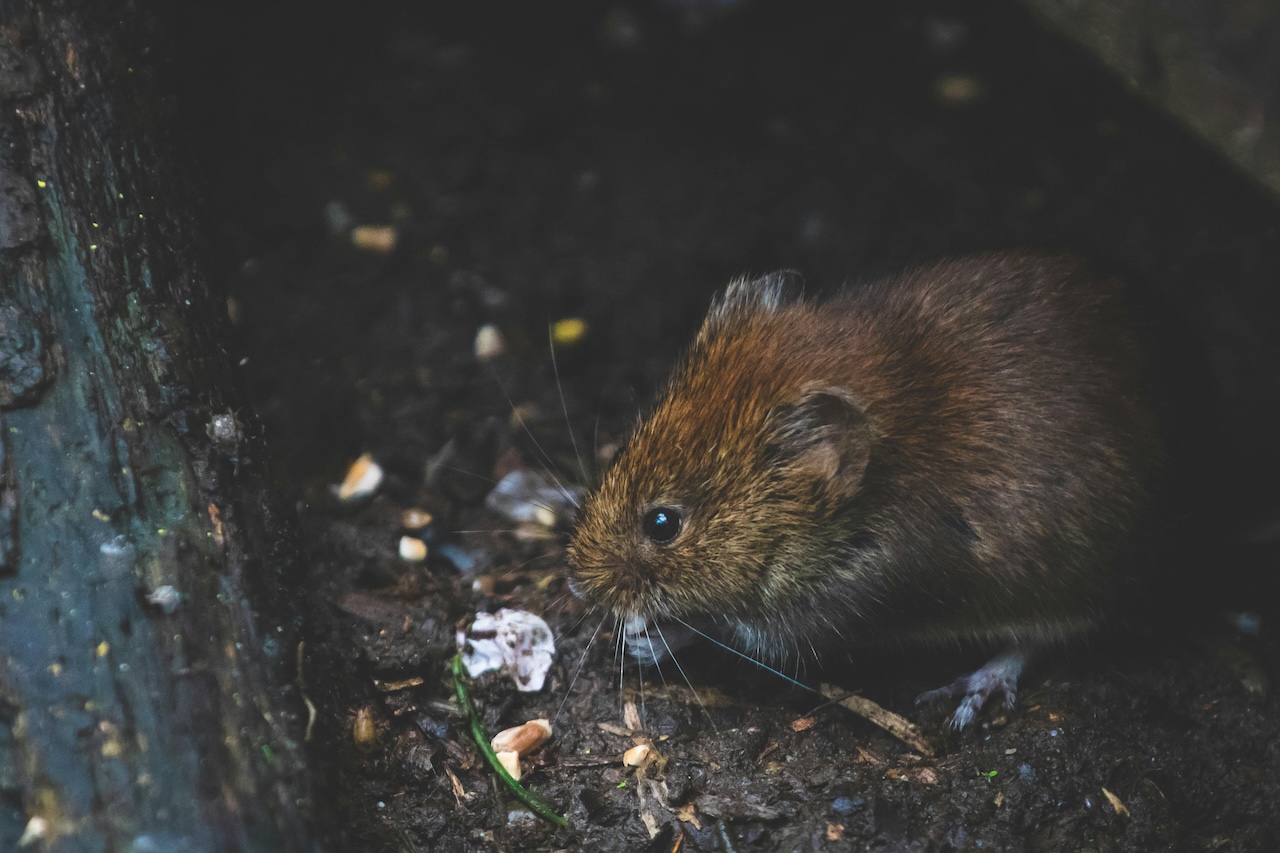
Other common Oregon nuisances include mole damage, grub worms, and voles chewing through roots. Likewise, fungal diseases can turn a lawn into an unsightly patchwork of dead zones. Sure, you could keep applying pesticides or fungicides, but that comes with costs and environmental downsides as we’ve discussed.
If your lawn seems to always be the neighborhood insect buffet or fungus farm, replacing it with artificial turf will end the cycle. Synthetic grass offers a pest-free, disease-free landscape – insects can’t feed on it and mold won’t colonize it because it isn’t organic material. You’ll no longer need to apply toxic chemicals to keep nature at bay.
6. Pets and Kids Turn Your Yard into a Mud Pit
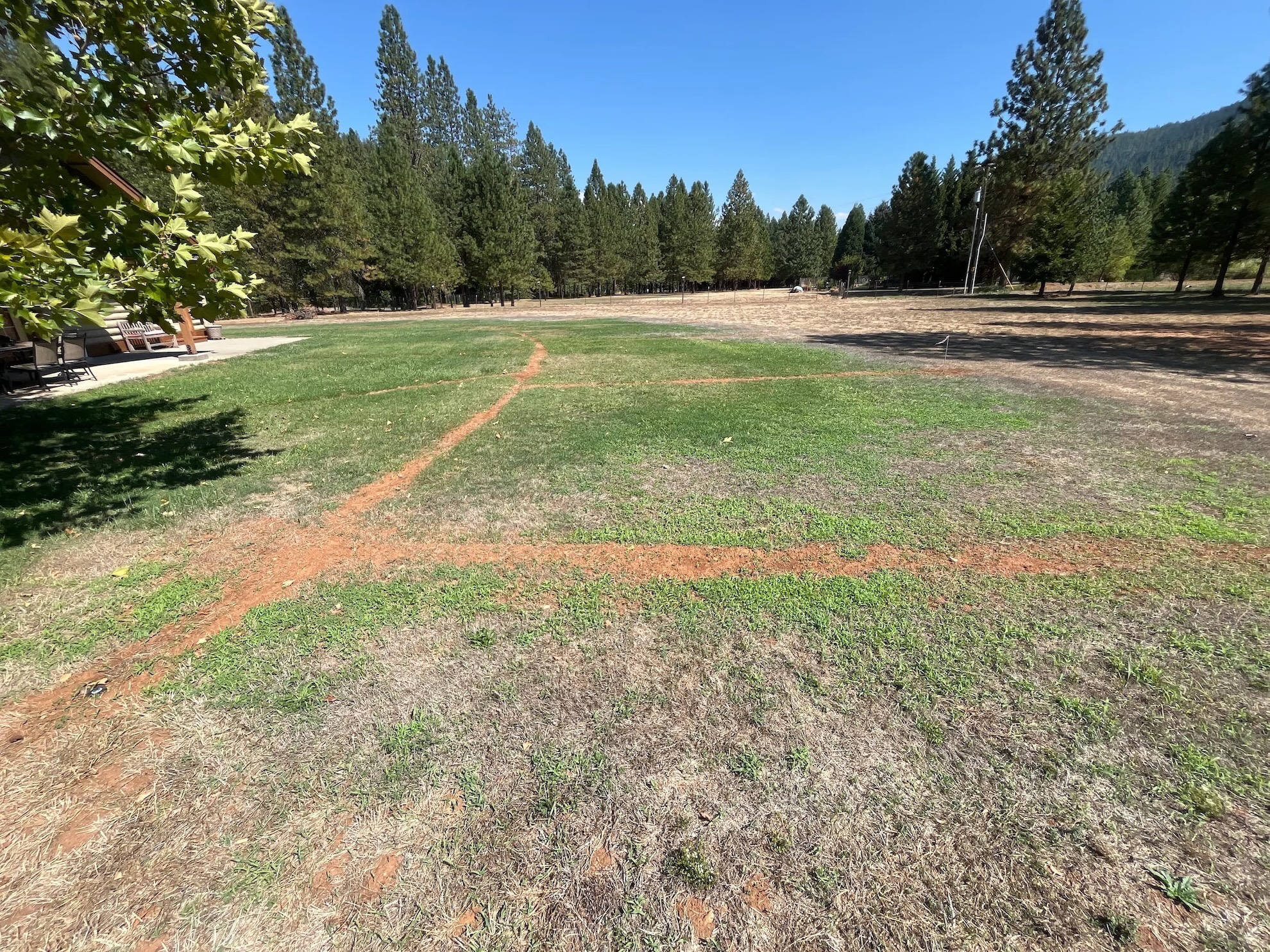
If you have dogs, kids, or lots of backyard traffic, you know how quickly a natural lawn can get torn up. Perhaps your once-lush yard has been reduced to patches of dirt where the dogs like to run, or a high-traffic play area that never regrows grass. Heavy use, digging, pet urine spots, and frequent foot traffic can all leave a traditional lawn looking like a battlefield of mud and dust.
Artificial turf offers a nearly foolproof solution for active households. It provides a durable, even surface that can withstand running, playing, and four-legged antics without turning to mud. Many dog owners opt for synthetic grass because it eliminates muddy paw prints and resists digging damage21. The turf is installed with a permeable base, so rain and pet urine drain through instead of creating soggy puddles.
No more bald spots or yellow patches – even after years of use, a quality turf will look as good as new. For families, that means the kids can play soccer or have the sprinkler on without churning the yard into muck. If your lawn can’t handle your lifestyle, it’s a clear sign to upgrade to a surface that can. Artificial turf keeps your yard play-ready year-round, so you and your furry friends can enjoy it without the mess.
7. The Lawn Struggles in Shade or Other Tough Conditions
Another sign it may be time to replace your lawn is if grass simply doesn’t grow well in your yard’s conditions. Do you have large shade trees that prevent grass from getting enough sunlight? Or perhaps your soil is extremely rocky or compacted, making it hard for turfgrass to develop deep roots. Maybe part of your lawn is on a steep slope where water runs off and grass browns out.
In Southern Oregon, many homes also have areas that get intense sun and heat, baking the turf in summer, while other spots might be perpetually damp and mossy. If you’re facing any of these challenging conditions, you’ve probably noticed your lawn is thin, mossy, or half-dead no matter how much you fertilize or reseed. Artificial turf and other lawn alternatives can excel where traditional grass fails.
Synthetic turf can be installed under trees or in full shade and will remain green without sunlight. It’s also great for tricky spots like slopes or oddly shaped areas – you can cut and fit it to cover any patch where real grass would erode or dry out. For areas with poor soil or drainage, turf brings its own prepared base, so you bypass the native soil limitations entirely.
Essentially, if your yard’s environment won’t support a healthy lawn, an alternative groundcover or artificial grass is the logical fix. You’ll save yourself the frustration of repeatedly trying and failing to coax grass to grow where it doesn’t want to.
8. You Want a Green Yard Year-Round (No More Seasonal Drama)
Natural grass has an annoying habit of not staying green year-round in our region. Cool-season grasses common in Oregon tend to go brown or dormant in the hottest part of summer if not constantly watered23. In the winter, growth slows to a crawl, and lawns can get soggy or muddy. The result is a yard that only looks pristine a few months out of the year. If you’re craving a lawn that looks lush and vibrant no matter the season or weather, artificial turf is the answer.
With synthetic grass, January looks as green as June – there’s no winter die-back, and no summer dormancy. You never have to deal with that awkward period in spring when you’re waiting for the grass to “green up” again, or the late summer months where it’s too hot to keep the lawn emerald. This can be especially appealing for vacation homes or rental properties: the landscape maintains its curb appeal without constant care.
Modern turf products are UV-stabilized to resist fading, so the color holds up over years of sun exposure. And unlike real grass, a synthetic lawn won’t get overgrown or scraggly. It provides a clean, well-manicured aesthetic every day of the year. For those who take pride in a beautiful yard, that reliability is hard to beat.
When you find yourself frustrated by your lawn’s seasonal rollercoaster – lush in spring, brown in summer, patchy in winter – take it as a sign to opt for an evergreen solution.
9. Allergies or Sensitivities Make Grass a Nuisance
Sometimes the problem isn’t the lawn – it’s what comes with it. If you or a family member suffers from grass pollen allergies or you worry about chemical sensitivities, a traditional lawn can actually detract from your quality of life. Grass pollen is one of the most common triggers of seasonal allergies (hay fever)24, often causing weeks of sneezing and itchy eyes in late spring and summer. A yard full of grass can be a problem for those allergic, as mowing and even walking on the lawn can stir up pollen.
Additionally, some people (and many pets) can have skin or respiratory reactions to the herbicides and fertilizers used on lawns. Replacing some or all of your lawn with alternatives can greatly reduce these issues. Artificial turf produces no pollen, and requires no chemical treatments, making it a hypoallergenic and pet-friendly choice. For an allergy sufferer, being able to enjoy time in the yard without worrying about sneezing fits or exposure to lawn chemicals is a game-changer.
Even if you don’t replace the whole lawn, converting high-use areas to turf or low-pollen groundcovers can create an “allergy-safe zone” on your property. Listen to your body – if the idea of relaxing on the grass makes you think of allergies or you’re avoiding the yard due to chemical use, it’s a sign to explore grass alternatives. Your nose (and your pets) will thank you.
10. Your Existing Artificial Turf Is Worn Out
Finally, what if you already replaced your natural lawn with artificial turf years ago? High-quality turf is very durable, but it doesn’t last forever. Most installations carry a life expectancy of about 10 to 15 years under normal use14.
After a decade or more, even good turf can start showing its age. The vibrant color may fade from years of UV exposure, the blades might become matted or less springy, and you could see seams loosening or minor tears in high-traffic spots. Infill material (the sand or rubber granules between the fibers) can also compact or wash away over time, affecting the turf’s cushioning and drainage. If you notice puddling water where the turf used to drain, or the surface feels harder than before, those are clues the base might need refurbishment or replacement.
Rather than living with a deteriorating fake lawn, consider this an opportunity to upgrade. Newer generations of artificial grass have improved UV protection, more realistic textures, and even better drainage technology. Replacing an older turf can refresh your yard’s appearance instantly – it’s like giving your landscape a facelift. You’ll regain the plush, evenly green look and soft feel underfoot that made you choose artificial turf in the first place.
Plus, you can address any installation issues from the past by having a professional update the base foundation. So if your synthetic lawn has been installed for a decade or longer, keep an eye out for those signs of wear. Proactively replacing it will ensure your yard stays safe and attractive for the next 10+ years to come.
Eco-Friendly Lawn Alternatives to Consider
Going artificial isn’t the only way to ditch a thirsty, high-maintenance lawn. Depending on your goals, you might also consider some other eco-friendly lawn replacement options – many of which M&B Landscaping can design and install for you. Here are a few ideas:
Drought-Tolerant “Ecolawn” Mix
Instead of pure turfgrass, ecolawn seed mixes incorporate clover, yarrow, daisy, and other low-water plants along with hardy grasses. These blended lawns stay greener with far less irrigation than a traditional grass lawn25. They also support pollinators and typically need mowing only a few times a year. An ecolawn can give the look of a natural lawn but with a fraction of the water use and maintenance. In western Oregon’s climate, many Mediterranean-native groundcover species can thrive with minimal watering26, making them ideal for an eco-conscious yard.
Native & Pollinator Gardens
Replace turf entirely with a landscape of native shrubs, ornamental grasses, wildflowers, and perennials adapted to Southern Oregon. Once established, native plants require little to no supplemental watering beyond normal rainfall. They also create habitat for birds, butterflies, and bees, turning your yard into a mini nature reserve. Design elements like dry stream beds, gravel pathways, or rock gardens can be used to fill space and add visual interest without water. The result is a beautiful, low-water landscape that reflects our region’s natural beauty – no mower needed.
Permeable Hardscapes & Outdoor Living Areas
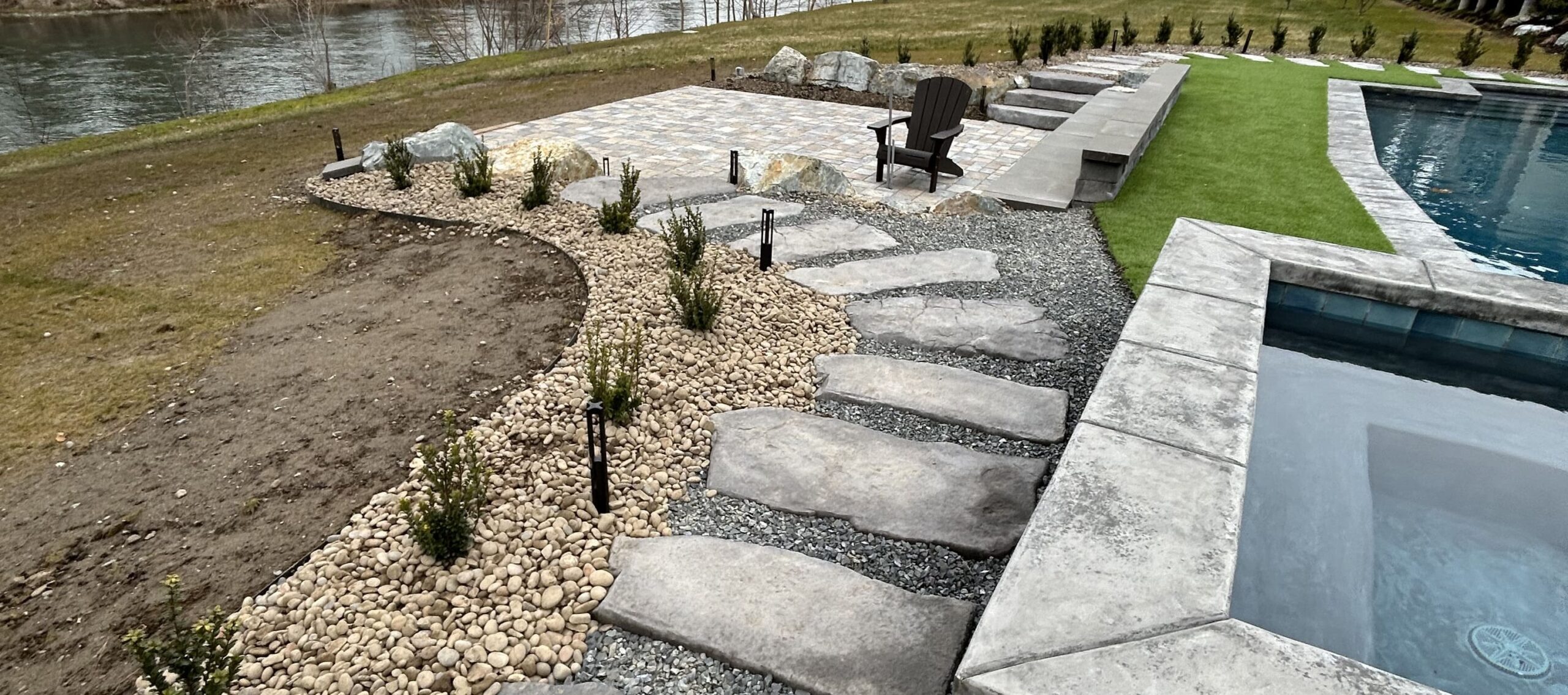
Another option is to shrink the lawn footprint and expand your outdoor living space. Consider adding a patio, deck, or paver seating area in part of your yard – these features provide usable space for entertaining and require no water at all. Pea gravel or decomposed granite walkways are also great low-water alternatives to turf. You can intersperse these hardscape areas with planting beds or synthetic turf insets for a mixed approach. Many Southern Oregon homeowners are choosing to create courtyards, fire pit areas, or play spaces with turf or mulch instead of maintaining a big lawn. The key is to design with both function and water efficiency in mind.
Each of these alternatives has its own benefits, and in fact you can mix and match them across your property. For example, you might install artificial grass in a high-traffic play area, have a native plant border around the edges, and leave one small section of real grass if you enjoy a bit of lawn for aesthetic or traditional reasons. The goal is to significantly cut down the area of thirsty, chemical-dependent turf and replace it with landscapes that are better suited to our climate.
M&B Landscaping specializes in native and drought-tolerant landscaping, so we can help you explore the best solution for your yard – whether that’s synthetic turf, native gardens, or a combination of approaches.
Ready for a Lawn Upgrade?
M&B Landscaping in Grants Pass is here to help make that vision a reality. As experts in artificial turf installation and eco-friendly landscape design, we have the experience to transform your lawn into a stunning, low-maintenance showpiece. From removing your old sod and installing quality synthetic grass, to creating native plant xeriscapes that thrive in our climate, our team handles the entire process.
Investing in a lawn replacement now means you’ll reap the benefits for years to come – in water savings, reduced yard work, and improved curb appeal. If you’re ready to take the next step toward an easier, greener landscape, contact M&B Landscaping for a consultation. We’ll evaluate your yard’s needs and discuss the best options, whether that’s artificial turf, drought-tolerant planting, hardscaping or a custom combination. With the right choice, you can have a yard that’s attractive, environmentally responsible, and perfectly tailored to your lifestyle – no more struggling lawn required!
[1] Governor’s Office (Oregon). “Governor Tina Kotek declares drought emergency in Jackson County.” June 27, 2023. https://apps.oregon.gov/oregon-newsroom/OR/GOV/Posts/Post/governor-tina-kotek-declares-drought-emergency-in-jackson-county-7925. Oregon Apps
[2] Beach, Joe. “Oregon governor declares drought emergencies for three more counties.” Capital Press, Aug. 5, 2025. https://capitalpress.com/2025/08/05/oregon-governor-declares-drought-emergencies-for-three-more-counties/. Capital Press+1
[3], [4] Tillery, Candace. “Does landscaping increase home value? Here’s what you should know.” Redfin, July 29, 2025. https://www.redfin.com/blog/does-landscaping-increase-home-value/. Redfin
[5], [14], [27], [28], [29] Colorado Springs Utilities. “Should you install synthetic turf?” June 14, 2022. https://www.csu.org/blog/water-conservation-and-synthetic-turf. csu.org
[6], [7] U.S. Environmental Protection Agency, WaterSense. “Outdoor Water Use in the United States.” Accessed Sept. 25, 2025. https://19january2017snapshot.epa.gov/www3/watersense/pubs/outdoor.html. Environmental Protection Agency
[8] Lawn Kings. “How Much Water Can You Save by Going with Turf Grass?” Accessed Sept. 25, 2025. https://lawnkingsinc.com/how-much-water-can-you-save-by-going-with-turf-grass/. Lawn Kings Inc
[9] ProGreen. “How much water will I save?” Accessed Sept. 25, 2025. https://progreen.com/how-much-water-will-i-save/. ProGreen
[10] Medford Water. “UPDATE: August 27, 2025 @ 5:00 p.m. — Water Usage Restrictions Lifted Immediately.” Posted Aug. 26, 2025. https://www.medfordwater.org/emergency-water-usage-restrictions-due-to-power-outage/. Medford Water+1
[11] Kyle. “Why do Americans spend so much time and money on their lawns?” Medium, Oct. 4, 2021. https://medium.com/@kylehollerith/why-do-americans-spend-so-much-time-and-money-on-their-lawns-8bb4959468d1. Medium
[12] Iranca, Sarah. “Lawn care industry statistics to watch out for in 2025.” Method CRM (blog). Accessed Sept. 25, 2025. https://www.method.me/blog/lawn-care-industry-stats/. Method
[13] Herman, Jeff. “Lawn Care and Landscaping Industry Statistics.” LawnStarter, updated July 25, 2025. https://www.lawnstarter.com/blog/statistics/lawn-care-and-landscaping-industry-statistics/. LawnStarter
[15], [16] Son, Jiahn. “Lawn maintenance and climate change.” Princeton Student Climate Initiative (PSCI), May 12, 2020. https://psci.princeton.edu/tips/2020/5/11/law-maintenance-and-climate-change. PSCI
[17] Paredes, Valeria. “The human cost of a perfect lawn.” Friends of the Earth, Sept. 24, 2021. https://foe.org/blog/human-cost-perfect-lawn/. LawnStarter
[18], [19], [21], [22] Siler, Wes. “Pet-Friendly Artificial Grass: Is It Worth It?” Outside Online, April 30, 2022. https://www.outsideonline.com/outdoor-gear/tools/pet-friendly-artificial-grass/?scope=anon. Outside Online
[20] Kowalewski, A.; Edmunds, B.; McDonald, B.; and Braithwaite, E. Managing Crane Fly in Lawns (EM 9296). Oregon State University Extension Service, Sept. 2020. PDF: https://extension.oregonstate.edu/sites/extd8/files/documents/em9296.pdf. OSU Extension Service
[23], [25], [26] VanDerZanden, Ann Marie; Edmunds, Brooke; and McNeilan, J. Conserving Water in Your Yard and Garden (EM 9125). Oregon State University Extension Service, published Nov. 2015; reviewed 2024. https://extension.oregonstate.edu/catalog/em-9125-conserving-water-your-yard-garden. OSU Extension Service
[24] Asthma and Allergy Foundation of America. “Grass Pollen Allergy.” Medical review: March 2025. https://aafa.org/allergies/types-of-allergies/pollen-allergy/grass-pollen-allergy/.