Southern Oregon summers present unique challenges for homeowners who love beautiful landscapes. Hot temperatures that regularly exceed 95 degrees, minimal rainfall from June through September, and increasing water restrictions make traditional high-water landscaping impractical and expensive. Yet you don’t have to choose between an attractive yard and responsible water use. Drought tolerant gardening offers a practical, sustainable solution that allows Grants Pass homeowners to maintain stunning outdoor spaces while dramatically reducing water consumption and maintenance demands. By choosing plants adapted to hot, dry conditions and designing landscapes that work with regional climate rather than against it, you can create drought tolerant yards that thrive during even the harshest Southern Oregon summers while using a fraction of the water conventional landscapes require.
Why Drought-Tolerant Landscaping Matters in Southern Oregon
Drought-conscious plant selection has evolved from an environmental preference to an essential component of modern sustainable landscaping Oregon. Conventional turf lawns and high-water ornamental plants struggle during extended dry periods, requiring constant irrigation to prevent browning and die-back. This creates a cycle of increasing water bills, stressed plants, and landscapes that look worse each summer despite significant investment. Many homeowners explore alternatives like artificial turf to reduce water demand in high-use areas. Drought tolerant yards break this cycle by reducing water usage by 30 to 50 percent or more compared to traditional landscapes, supporting environmentally responsible landscaping that conserves precious resources. Lower irrigation needs translate directly to reduced water bills, particularly important during peak summer rates. Fewer plant replacements mean lower long-term costs as properly selected drought tolerant plants establish and thrive rather than struggling and dying in conditions they weren’t designed to handle. Reduced maintenance demands free up time and money—plants adapted to dry conditions require less fertilizer, less pest management, and less constant attention than their high-water counterparts.
What Makes a Plant Drought Tolerant?
Understanding drought tolerance characteristics helps homeowners recognize suitable plants and appreciate why certain species thrive while others fail in dry climate plants conditions. These adaptations allow plants to survive and even flourish with minimal supplemental watering once established.
Deep or Efficient Root Systems
Drought tolerant plants typically develop extensive root systems that reach deep into soil to access moisture unavailable to shallow-rooted species. Native bunchgrasses can send roots down 6 feet or more, while established lavender and yarrow develop roots that explore wide areas efficiently. These root systems allow plants to find water during dry periods without constant surface irrigation.
Small, Waxy, or Silvery Leaves
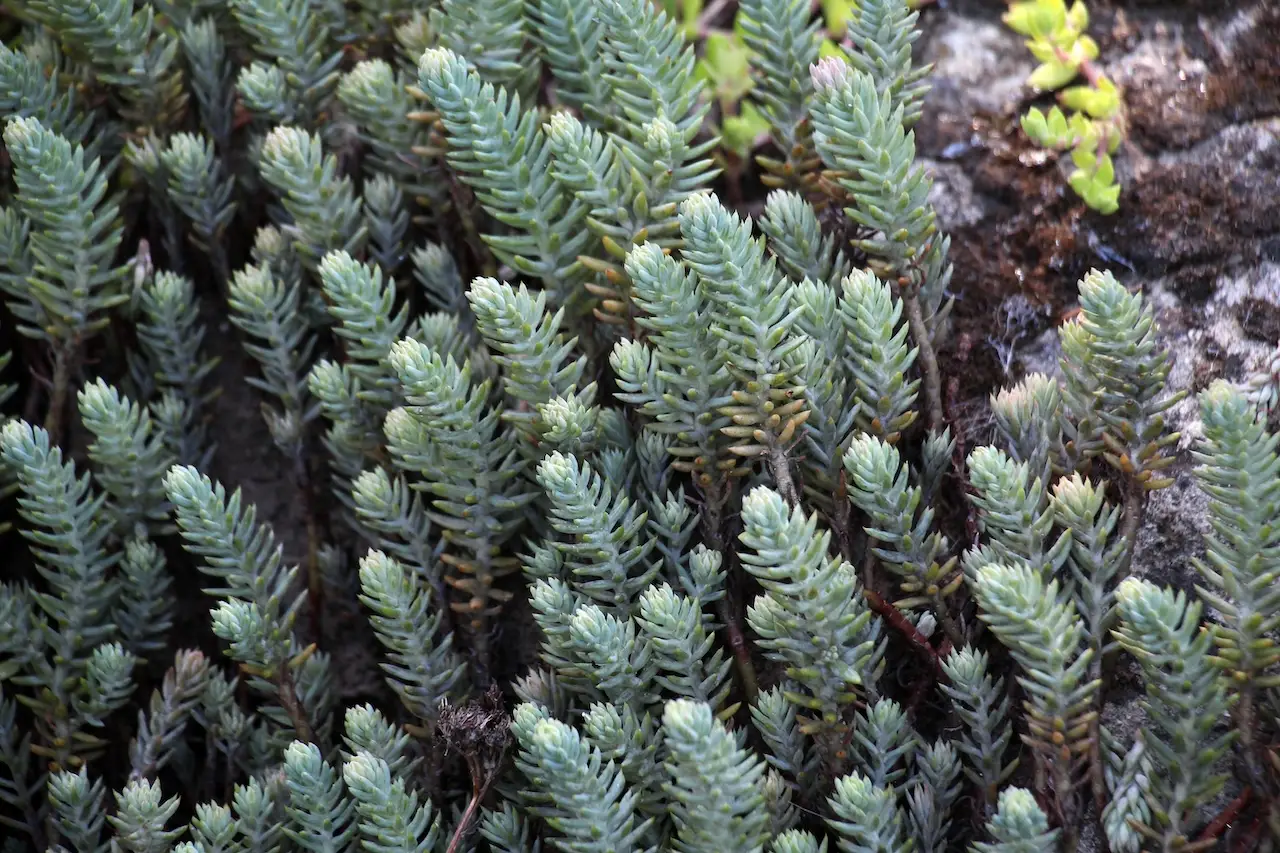
Leaf characteristics reveal drought tolerance at a glance. Small leaves reduce surface area exposed to sun and wind, minimizing water loss through transpiration. Waxy coatings on leaves like those of sedum create moisture barriers that reduce evaporation. Silvery or gray foliage—seen in lavender, Russian sage, and many Mediterranean herbs—reflects sunlight rather than absorbing it, keeping leaf temperatures lower and reducing water stress. These adaptations help plants conserve moisture during hot, dry periods.
Ability to Thrive in Full Sun and Poor Soil
True drought tolerant plants don’t just survive dry conditions—they actually prefer full sun plants environments and often perform poorly in rich, frequently irrigated soil. Many drought-adapted species originate from Mediterranean climates, rocky slopes, or prairie environments where lean soils and intense sun are the norm. These heat tolerant plants have evolved to thrive in conditions that would stress conventional landscape plants, making them perfect for landscaping for hot climates like Southern Oregon summers.
Best Drought Tolerant Plants for Southern Oregon Summers
Selecting low water plants Oregon adapted species ensures your landscape performs beautifully while using minimal irrigation. These recommendations thrive in full sun and dry conditions typical of Grants Pass summers.
Flowering Perennials for Color
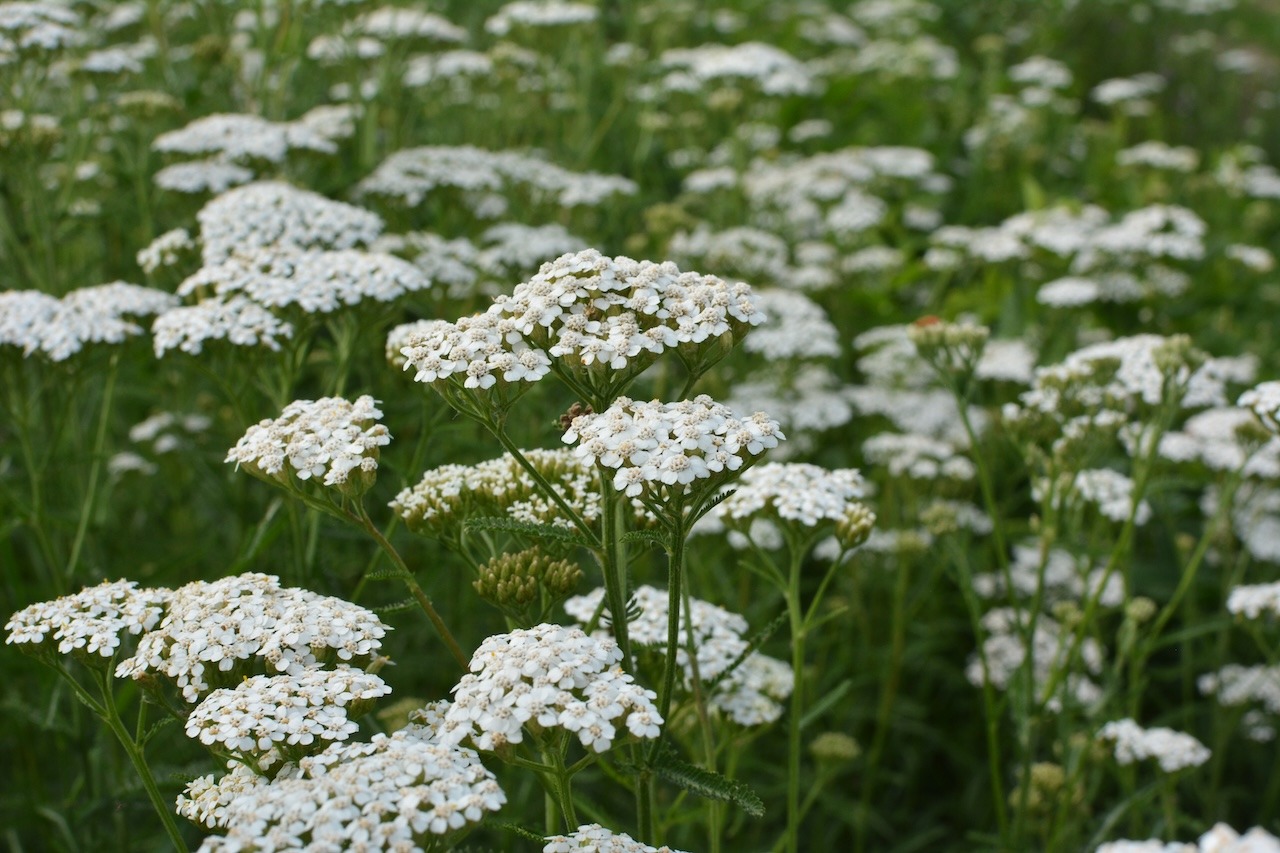
Adding seasonal color while tolerating heat and drought is entirely possible with the right plant selections. Lavender blooms in shades of purple, blue, and white from late spring through summer, attracting pollinators while requiring virtually no summer water once established. Yarrow produces flat-topped flower clusters in yellow, pink, red, or white throughout summer and tolerates poor soil and neglect. Coneflower (Echinacea) offers bold purple, pink, or white daisy-like blooms that attract butterflies and goldfinches from midsummer through fall. Black-eyed Susan provides cheerful golden-yellow flowers with dark centers from July through September with minimal care. Blanket flower delivers vibrant red-and-yellow blooms all summer long on plants that actually prefer dry, well-drained conditions. These summer landscaping plants provide continuous color from late spring through fall while supporting pollinators and requiring little intervention once established.
Evergreen Shrubs for Structure
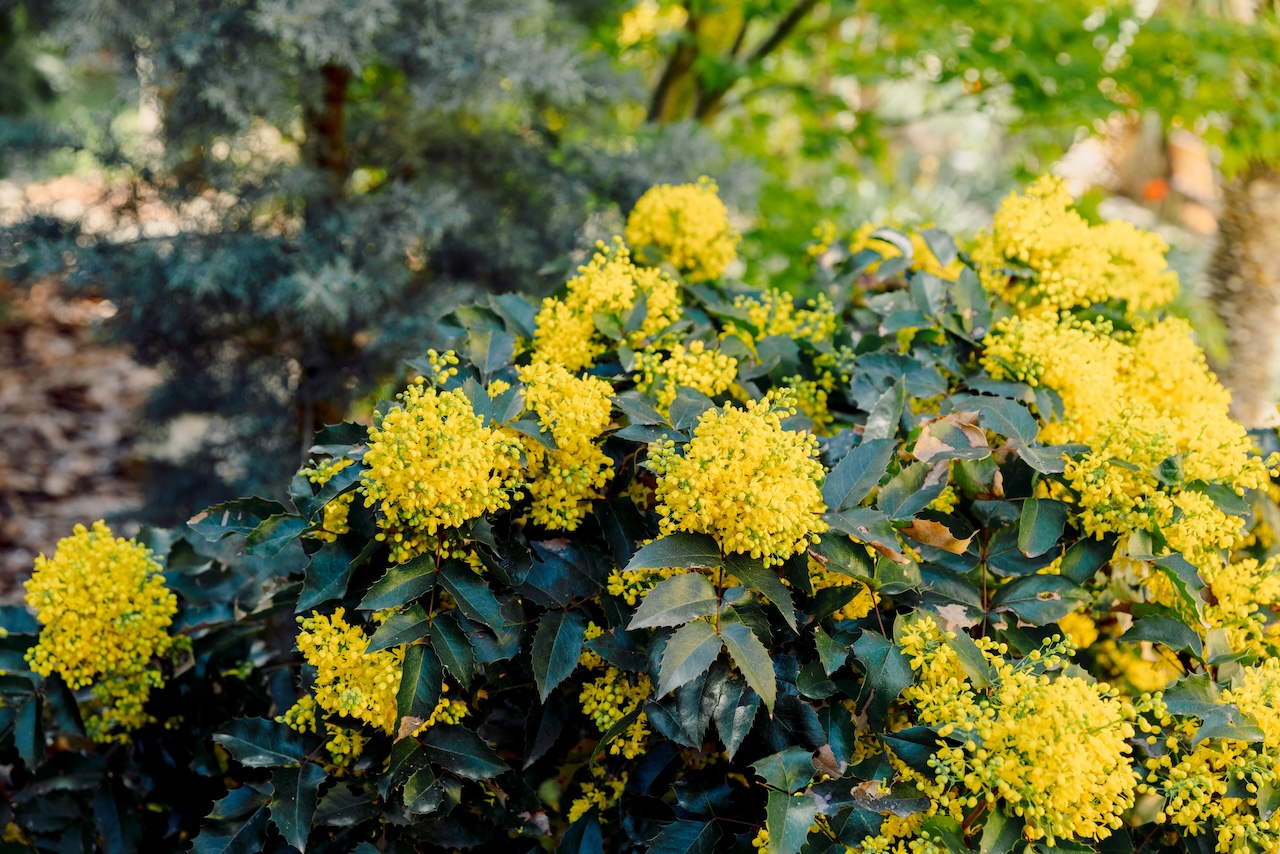
Year-round greenery and structural framework come from drought tolerant shrubs that maintain consistent appearance through all seasons. Oregon grape is a Pacific Northwest native with holly-like evergreen leaves, yellow spring flowers, and edible blue berries—highly drought tolerant once established and perfect for Oregon native drought tolerant plants landscapes. Manzanita offers striking red bark, small leathery leaves, and delicate urn-shaped flowers, thriving in full sun and dry soil with virtually no summer irrigation. Juniper species range from low groundcovers to upright shrubs, all featuring aromatic foliage and exceptional drought tolerance ideal for drought resistant landscaping. Boxwood, while moderately drought tolerant rather than extremely so, establishes well in Southern Oregon and requires significantly less water than conventional landscape shrubs. These plants contribute backbone and structure to drought tolerant yards while demanding minimal resources.
Ornamental Grasses for Texture
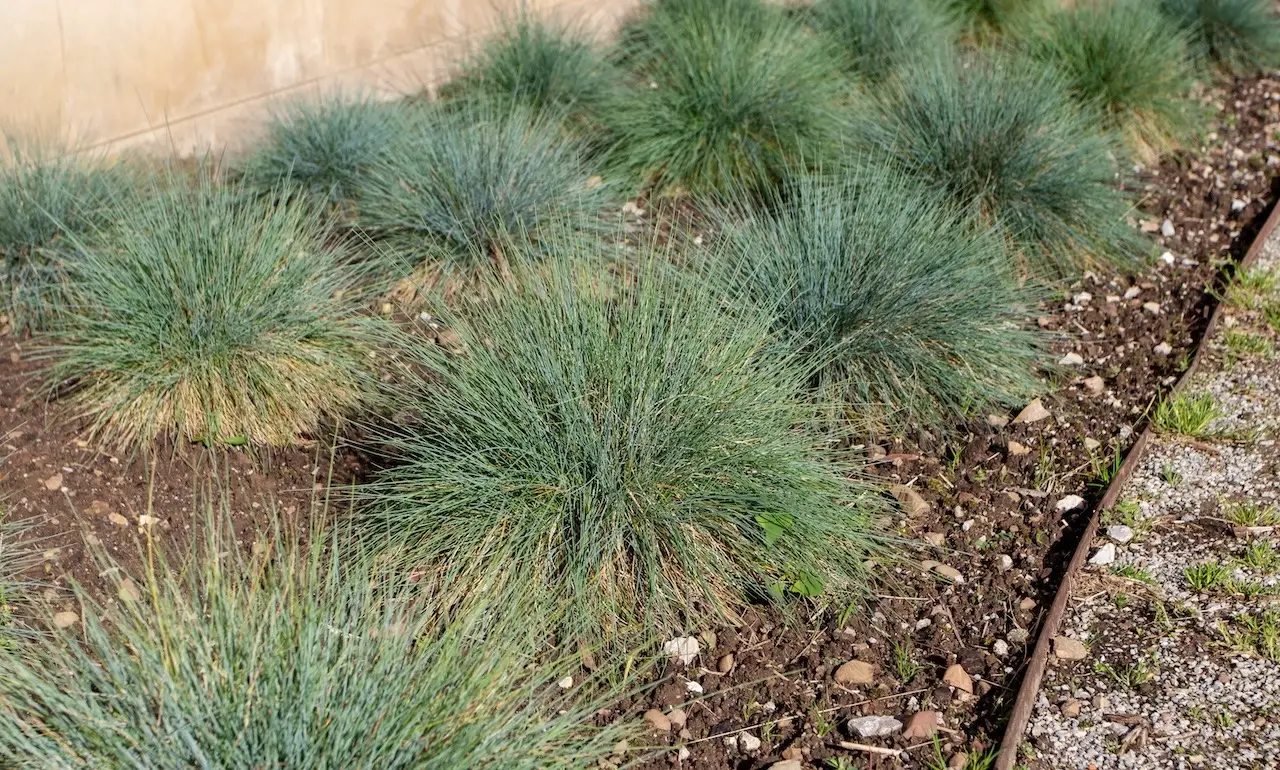
Movement, texture, and architectural interest come from low-water grasses perfectly suited to full sun plants conditions. Blue fescue forms compact tufts of steel-blue foliage that holds color year-round and requires no summer watering once established. Feather reed grass grows in upright clumps reaching 4 to 5 feet with dramatic feathery plumes in summer, tolerating heat and drought with ease. Fountain grass produces arching mounds of graceful foliage topped with bottlebrush-like seed heads that sway in the slightest breeze. These grasses provide visual interest through all seasons while using minimal water and requiring little maintenance beyond annual trimming.
Ground Covers for Low-Maintenance Areas
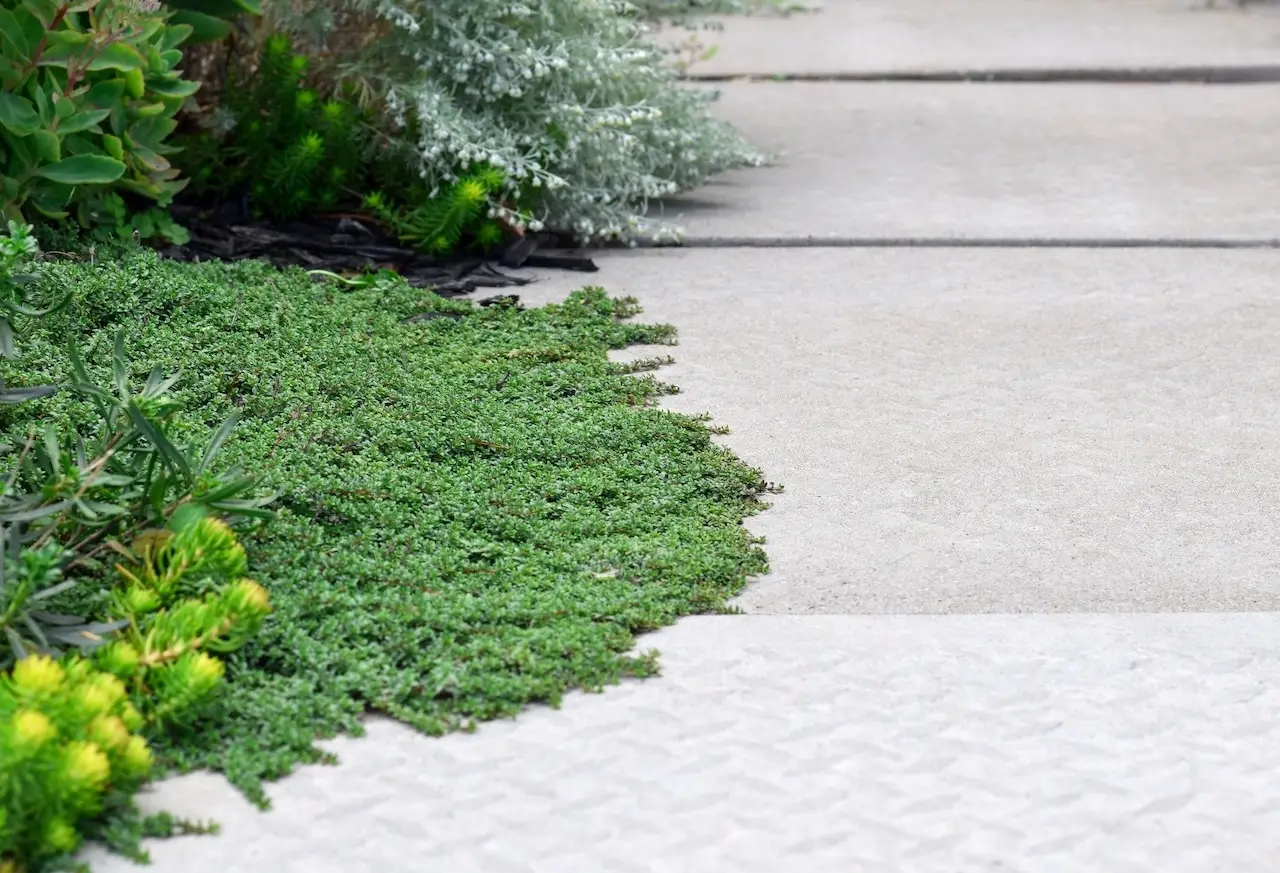
Alternatives to traditional water-hungry lawns reduce irrigation needs dramatically while providing attractive, functional coverage. Creeping thyme forms dense, fragrant mats that tolerate foot traffic, bloom profusely in early summer, and require virtually no water once established—ideal drought tolerant ground cover for paths and small lawn replacements. Sedum species offer succulent foliage in various colors and textures, spreading to cover bare ground while thriving on neglect and full sun exposure. Ice plant creates colorful carpets of daisy-like flowers in vibrant pinks, oranges, and yellows over fleshy foliage that stores water internally. These groundcovers suppress weeds, reduce erosion, and eliminate the need for mowing while using a fraction of the water conventional lawns demand.
Native Plants That Thrive in Southern Oregon
Regionally adapted plants naturally handle dry summers because they evolved in these exact conditions. Oregon sunshine (Eriophyllum lanatum) produces cheerful yellow daisy flowers over silvery foliage from late spring through summer with zero supplemental irrigation needed. Western columbine offers delicate red-and-yellow flowers in spring shade or part-sun locations, going summer-dormant naturally to conserve moisture. Native bunchgrasses like blue wild rye and Idaho fescue provide textural interest year-round while requiring no summer water and supporting native wildlife. These Oregon native drought tolerant plants represent the ultimate in water wise gardening, requiring minimal inputs while supporting local ecosystems.
Drought-Tolerant Plant Selection Guide
| Plant Type | Sun Needs | Water Needs (Established) | Best Landscape Use |
| Lavender – Fig. 6 | Full sun | Minimal to none | Borders, pollinator gardens |
| Yarrow – Fig. 5 | Full sun | Minimal | Meadows, mixed borders |
| Sedum – Fig. 4 | Full sun | None | Ground cover, rock gardens |
| Oregon Grape – Fig. 2 | Part to full sun | Low | Foundation, native gardens |
| Blue Fescue – Fig. 3 | Full sun | Minimal | Edging, mass planting |
| Creeping Thyme – Fig. 1 | Full sun | Minimal | Lawn replacement, pathways |
Designing Beautiful Drought Tolerant Yards
Moving from plant selection to cohesive landscape design ensures your drought friendly garden design performs efficiently while maintaining visual appeal. Thoughtful design multiplies the water-saving benefits of individual plant choices.
Group Plants by Water Needs (Hydrozoning)
Hydrozoning—grouping plants with similar water requirements together—dramatically improves irrigation efficiency and plant health. Place drought tolerant plants in one zone with minimal or no summer irrigation, moderate-water plants in another zone with occasional deep watering, and any high-water plants (limited to small areas for maximum impact) in a separate zone with regular irrigation. This prevents overwatering drought-adapted plants while ensuring moisture-loving species receive adequate water. Efficient irrigation becomes possible when you’re not trying to meet conflicting water needs in the same bed.
Use Mulch to Retain Soil Moisture
Mulch serves as a critical component in drought-tolerant landscapes by reducing evaporation from soil surfaces, moderating soil temperature extremes, and suppressing competing weeds. A 2- to 3-inch layer of organic mulch or decorative rock around drought tolerant plants conserves whatever moisture is present while preventing water loss to evaporation and wind. This single practice can reduce irrigation needs by 25 percent or more, especially when combined with strategies outlined in this low-maintenance landscape guide.
Incorporate Hardscaping Elements
Using gravel paths, stone patios, decorative rock features, and non-plant elements reduces total landscape water demand while adding structure and visual interest. Incorporating features like a well-designed fire pit or other hardscape elements creates fire-resistant zones in wildfire-prone areas, reduces maintenance requirements, and provides attractive transitions between planting areas. These permanent features require no irrigation while contributing significantly to backyard drought landscaping aesthetics.
Focus on Year-Round Visual Interest
Balanced design combines evergreen shrubs for winter structure, perennial flowers for seasonal color, ornamental grasses for movement and texture, and hardscape elements for permanent framework. This layered approach ensures your landscape looks intentional and attractive through all seasons rather than bare and neglected during dormant periods. Adding subtle illumination with landscape lighting can further enhance year-round appeal. Year-round appeal makes low maintenance landscaping Oregon properties more valuable and enjoyable.
Best Full Sun Plants for Hot, Dry Areas
Full sun tolerance is critical during peak Southern Oregon summer heat when temperatures exceed 95 degrees and radiant heat reflects off hardscape surfaces. These full sun drought plants not only survive but actually prefer intense sun exposure and dry conditions. Lavender thrives in the hottest, driest spots where other plants fail, producing fragrant blooms and silvery foliage that looks best in full sun. Sedum varieties display their brightest colors and most compact growth in full sun with minimal water. Russian sage creates airy clouds of purple-blue flowers over aromatic gray foliage, preferring lean soil and neglect. Agastache offers vertical flower spikes in orange, pink, purple, or blue that attract hummingbirds and butterflies while tolerating heat and drought with ease. Coreopsis produces cheerful yellow daisy flowers prolifically throughout summer on plants that actually perform better with less water and fertilizer. These heat-loving species anchor successful water saving landscape ideas for Southern Oregon’s most challenging exposures.
Tips for Successful Drought Tolerant Gardening
Actionable strategies ensure homeowners transitioning to low water garden ideas achieve long-term success rather than frustration. These practices help drought tolerant plants establish and thrive.
1. Water Deeply but Infrequently
Avoid frequent shallow watering that keeps soil constantly moist—this prevents drought tolerant plants from developing the deep root systems they need for long-term survival. Instead, water deeply and infrequently, encouraging roots to grow downward in search of moisture. Once established, most drought-adapted plants need little to no supplemental irrigation. Overwatering established drought tolerant plants causes root rot, fungal problems, and weak growth more susceptible to pests and diseases.
2. Improve Soil Before Planting
Don’t skip soil preparation even for drought tolerant plants. While these species tolerate poor soil, they establish faster and perform better when planted in amended, well-draining soil. Add compost to improve soil structure and initial moisture retention during establishment. Ensure good drainage—drought tolerant plants handle dry conditions well but often fail in waterlogged soil. Avoid poor plant spacing that creates crowded conditions where plants compete unnecessarily for resources. Proper spacing improves air circulation and reduces disease pressure.
3. Install Efficient Irrigation Systems
Drip irrigation delivers water directly to root zones with minimal waste through evaporation or runoff. Even drought tolerant plants benefit from efficient irrigation during establishment—the key is delivering the right amount of water precisely where needed rather than broadcasting water across entire areas. Once plants establish, reduce or eliminate irrigation based on species requirements and seasonal conditions.
4. Avoid Common Mistakes
Choosing the wrong plants for sun exposure dooms landscapes to failure—shade plants won’t survive full sun no matter how much you water them, and sun-loving drought plants perform poorly in shade. Mixing high-water and low-water plants together in the same irrigation zone creates impossible conflicts where you either underwater thirsty plants or overwater drought-adapted species. Keep water needs separated through hydrozoning for best results.
Transitioning From Traditional Lawn to Drought Tolerant Yard
Converting water-heavy lawns into sustainable landscapes follows a logical sequence that ensures success. Start by removing or significantly reducing turf areas—use sod cutters for large areas or sheet mulching techniques for gradual conversion. Amend soil by working in compost and ensuring proper drainage throughout the bed. Install efficient drip irrigation or soaker hoses before planting to avoid disturbing new plantings later. Add drought tolerant plants according to your design plan, starting with larger structural plants and filling in with smaller perennials and groundcovers. Apply 2 to 3 inches of mulch around all plantings to conserve moisture and suppress weeds during establishment. Water regularly during the first growing season to help plants establish deep root systems, then gradually reduce irrigation as plants mature. Within two years, most drought tolerant landscapes require minimal supplemental water and deliver significant savings on water bills and maintenance time.
Water Usage: Traditional Lawn vs. Drought-Tolerant Landscape
| Factor | Traditional Lawn | Drought-Tolerant Landscape |
| Summer Water Use | 1-2 inches per week | 0-0.5 inches per week (established) |
| Annual Water Savings | Baseline | 30-50% reduction |
| Maintenance Needs | Weekly mowing, frequent fertilizing | Seasonal pruning, minimal inputs |
| Summer Appearance | Browns without constant watering | Thrives in heat and dry conditions |
| Environmental Impact | High water consumption, chemical inputs | Low water use, supports pollinators |
Create a Beautiful, Low-Water Landscape in Southern Oregon
Drought tolerant plants allow Southern Oregon homeowners to enjoy attractive, functional landscapes even during the harshest summer conditions. Thoughtful planning that considers sun exposure, water needs, and long-term performance ensures your landscape delivers beauty without waste. Proper plant selection matched to site conditions, combined with efficient irrigation and smart design practices, creates sustainable landscaping Oregon properties that reduce water consumption, lower maintenance demands, and provide year-round visual interest. The transition to drought tolerant gardening requires upfront planning and some initial investment, but the long-term rewards—lower water bills, reduced maintenance time, healthier plants, and environmentally responsible landscaping—make it one of the smartest landscape investments homeowners can make.
Design Your Drought-Tolerant Landscape
M&B Landscaping helps homeowners design and install drought tolerant yards that thrive in Southern Oregon’s climate while using minimal water.