What “Low-Maintenance” Really Means
A low-maintenance yard doesn’t mean zero work. It means less work, less often. With the right design, you can spend more time enjoying your yard instead of mowing, trimming, or weeding every weekend.
In most yards, the main chores are mowing, pruning, weeding, fertilizing, and checking irrigation. In a low-maintenance landscape, you may only mow every few weeks, prune once or twice a year, and check irrigation once a month. You’ll still need to do spring and fall clean-ups, but you’ll save hours compared to a high-care yard.1
| Task | How Often |
|---|---|
| Mow lawn | Every 2–3 weeks in summer |
| Weed beds or gravel | Once a month or as needed |
| Prune shrubs and trees | 1–2 times a year |
| Check irrigation | Monthly |
| Clean up yard and refresh mulch | Spring and fall |
Plan your yard around these easy schedules. A well-planned design can cut routine work in half while keeping your property looking beautiful.
Start With a Plan (Not Plants)
Before you buy any plants or materials, start with a plan. A smart plan saves time, money, and effort. Here’s how to do it.
Step 1: Audit Your Site
Walk around your property and look at how it behaves. Where is it sunny or shady? Does water drain well or puddle? What kind of soil do you have? Also think about how you use each area. Do kids or pets play there? Are there HOA rules? Each spot has its own purpose and limits.1
Step 2: Budget & Maintenance Bandwidth
Decide how much you want to spend and how much time you can give to upkeep. A good rule is to spend about half your budget on
hardscaping like patios and walkways, about a quarter on
irrigation and drainage, and the rest on plants and finishing touches.
If you don’t have much time, plan to hire out mowing or clean-ups instead of building complex plant beds you can’t maintain.
Step 3: Draw Simple Zones
Sketch your yard into zones such as entry, patio, play area, or garden. Group plants with similar needs together. Keep high-water plants like vegetables in one area and low-water shrubs in another. Zoning your yard helps with planning
drought-tolerant landscaping and makes watering easier.
Step 4: Choose a Base Palette
Stick with a few repeating materials and plants. For example, use pavers, gravel, and a small patch of
artificial turf for ground surfaces. Choose a handful of native plants or grasses that look good year-round. Fewer varieties mean less pruning and easier care.4
Step 5: Plan Irrigation & Controls
Choose a watering system that fits your zones. Drip irrigation works best for most garden beds because it delivers water right to the roots without wasting it.2
Use sprinklers only on small lawn areas. Add a smart controller that adjusts watering based on weather or soil moisture. This setup saves water and keeps your plants healthy without daily effort.
| Watering Method | Best For | Water Use | Upfront Cost | Ease |
|---|---|---|---|---|
| Sprinklers | Lawn or turf | Moderate | Medium | Easy once installed |
| Drip Irrigation | Garden beds, shrubs, trees | Low (very efficient) | Higher | Automatic with a controller |
| Hand Watering | Containers and new plants | Variable | Low | Time-consuming |
Step 6: Phase the Build
Build your yard in steps. Start with grading for good drainage, then install hardscape. Add irrigation before planting. Finish with plants, mulch, and lighting. Taking it step by step helps everything settle and keeps the project manageable.
Design Principles for Easy-Upkeep Landscapes
Design your yard so regular chores take less time. Simple shapes, repeating plants, and durable surfaces make care easy. The more you standardize things like edging, plant types, and materials, the less time you’ll spend fixing or replacing them.
Simplify Geometry
Use clean lines and smooth curves. Wide beds are easier to mow and mulch than thin strips. Avoid tiny corners that are hard to edge or blow. A few large planting areas are faster to maintain than many small ones.1
Right-Size Hardscape
Expand patios or paths to shrink the amount of grass. Add gravel or stepping pads where people walk often. This reduces dead spots in grass and lowers mowing time.
Limit Plant Variety (But Layer)
Use six to ten kinds of plants at most. Repeat them in groups. Mix evergreens for year-round structure with a few flowering plants for color. Fewer plant types make learning care routines simple.
Pick Durable Materials
Use long-lasting materials that resist weeds and wear. Large pavers or concrete slabs stay level longer. Fill gaps with polymeric sand to block weeds. Install steel or stone edging so gravel and mulch stay in place. Good materials save you time and money later.
Native & Climate-Adapted Plants
Native plants are built for your local weather. They use less water, fight pests better, and need fewer fertilizers. Once established, they can thrive mostly on rainfall.3 They also attract pollinators like birds and bees.
How to Pick the Right Plants
Group plants by how much water they need. Keep shade plants together and full-sun plants together. Avoid messy, high-litter trees near patios or pools. Choose low-litter trees like oaks or evergreens instead. Plan for plants that bloom at different times so your yard looks nice all year.
Groundcovers That Do the Work
Low-growing groundcovers act like living mulch. They fill space, hold moisture, and block weeds. Options like creeping thyme, sedum, or carex are easy to grow and stay green all year. Once they fill in, you’ll hardly ever weed again.4
Mulch and Soil Prep
Add 2–4 inches of mulch over the soil. Mulch holds water, keeps roots cool, and blocks weed seeds. In dry areas, gravel or decomposed granite can work too. Healthy soil and mulch together mean fewer weeds and less watering.5
Smart Turf Strategy
Grass looks great, but it takes work. Keep it only where you’ll use it.
When to Keep Real Grass
If you want natural grass, keep it small and simple. Use drought-tolerant types like buffalo grass or fine fescues. These use about half as much water as regular lawns and grow slowly, so you mow less often.
Artificial Turf
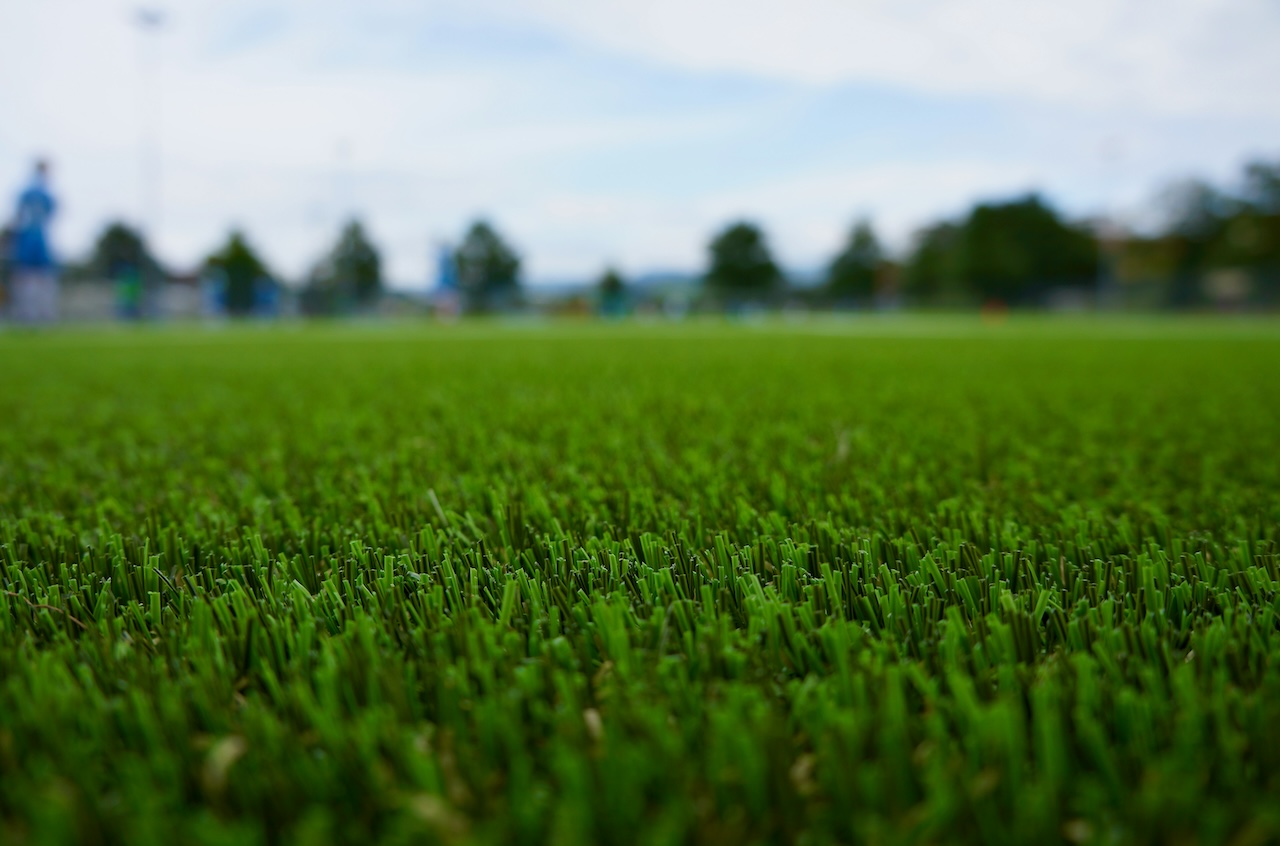
Artificial turf stays green year-round without mowing or watering. It costs more to install but saves time later. Choose turf that fits your use, such as pet-friendly or play-safe. Rinse it sometimes to keep it clean and brush it so the fibers stand tall. Most turf lasts 10–15 years before replacement.
Read More: 10 Signs It’s Time to Replace Your Lawn with Artificial Turf
Irrigation That Thinks for You
A smart watering system can almost run itself. New systems use sensors and weather data to adjust watering automatically. This saves time, money, and water.
Drip as Default
Install drip lines in all planting beds. Drip irrigation waters plants right at the roots, where it’s needed most. It wastes less water than sprinklers and keeps leaves dry, which helps prevent disease.2 Use filters and pressure regulators to keep the system running smoothly.
Smart Controllers & Sensors
Modern irrigation controllers connect to Wi-Fi and adjust watering based on the weather. Many can be managed from your phone. Add a flow sensor to spot leaks early and a rain sensor to pause watering when it rains.7 Together, these tools help you water less and grow more.
Zoning & Maintenance
Divide your system into zones by plant type. High-water zones for lawns, low-water zones for shrubs. Check your system each spring to make sure emitters and valves work right. In winter, drain the pipes to prevent freezing. A little seasonal care keeps the system easy to manage.
Hardscape & Surfaces That Cut Chores
Choose materials that look good and stay neat. Concrete, pavers, or gravel are easy to maintain. Permeable pavers let water soak in while keeping weeds out. Gravel or decomposed granite paths are low-cost and simple to refresh. Strong edging keeps everything tidy.
Planting & Installation
Follow a smart order when you build. First, grade the soil so it drains away from your house. Then add patios, walls, and edging. Next, lay irrigation lines and test them. Finally, plant your trees, shrubs, and flowers. Place plants so the top of the root ball sits slightly above ground level to prevent rot.6 Finish with mulch, clean edges, and a full watering.
Contact M & B Landscaping for a Consultation
Building a low-maintenance yard takes planning, but the payoff lasts for years. If you want help designing or installing your dream landscape, contact M & B Landscaping. Our team can create a custom plan that fits your space and maintenance goals. Let’s make your yard easy to care for and beautiful all year long.
References:
-
University of Florida Institute of Food and Agricultural Sciences. Basic Principles of Landscape Design. CIR536/MG086. Retrieved from <a href=”https://edis.ifas.ufl.edu/publication/MG086″ target=”_blank”>https://edis.ifas.ufl.edu/publication/MG086</a>
-
Software Republic. Irrigation Software – Pro Contractor Studio. Retrieved from https://www.softwarerepublic.com/blog/post.aspx?id=27
-
National Wildlife Federation. Water-Wise Wildlife Gardens: Drought-Tolerant Native Plants. Retrieved from https://gardenforwildlife.com/blogs/learning-center/water-wise-wildlife-gardens-what-are-drought-tolerant-native-plants
-
Nature Hills Nursery. The Best Weed-Blocking Groundcovers! Retrieved from https://naturehills.com/blogs/garden-blog/the-best-weed-blocking-groundcovers
-
Enviroworks Inc. How Mulching Can Help You Save Water and Reduce Your Water Bill. Retrieved from https://enviroworksinc.com/blog/14958/How-Mulching-Can-Help-You-Save-Water-and-Reduce-Your-Water-Bill
-
Gilman, E. F. (University of Florida Institute of Food and Agricultural Sciences). Root Ball Depth – Planting Trees Correctly. Retrieved from https://hort.ifas.ufl.edu/woody/planting-high.shtml
-
Creative Sensor Technology. Why Your Smart Irrigation Controller Needs an Irrigation Flow Sensor. Retrieved from https://www.creativesensortechnology.com/why-your-smart-irrigation-controller-needs-an-irrigation-flow-sensor/