Paver Patio Installation Cost
Grants Pass & Southern Oregon
ESTIMATED RANGE — 12' × 20' MID-RANGE PAVERS
$6,000 – $9,600
How we get this data Our cost ranges come from the countless projects we complete and the materials we source firsthand across Grants Pass and Southern Oregon. Every job is different — contact us for a precise quote on your property. Data as of July 2026.Mid-range architectural pavers
Architectural pavers offer more texture, color, and size choices. A contrasting border, multi-size pattern, upgraded joint material, or moderate cutting can move the project into the $25–$40 per sq ft range while balancing customization and budget.
Estimated for this project$6,000 – $9,600
Basic concrete paver patio
A basic patio uses economical concrete pavers in a square or rectangular footprint, with open access, minimal demolition, manageable grading, and a simple pattern. Low advertised prices may exclude drainage, deep excavation, steps, or retaining walls.
Mid-range architectural pavers
Architectural pavers offer more texture, color, and size choices. A contrasting border, multi-size pattern, upgraded joint material, or moderate cutting can move the project into the $25–$40 range while balancing customization and budget.
High-end stone and custom pavers
Flagstone, porcelain, premium pavers, complex curves, and multiple elevations require more skilled labor. Natural pieces may need individual fitting, while custom patterns create more cuts and waste.

Paver Patio Installation Cost by Size
Multiply the patio area by your planning rate to create a starting budget. Then allow separately for steps, walls, drainage, utilities, planting, or water features.
| Patio size | Square feet | Basic pavers | Mid-range pavers | Premium stone and/or custom work |
| 10′ × 10′ | 100 | $2,000–$3,000 | $2,500–$4,000 | $3,500–$6,000+ |
| 12′ × 20′ | 240 | $4,800–$7,200 | $6,000–$9,600 | $8,400–$14,400+ |
| 16′ × 20′ | 320 | $6,400–$9,600 | $8,000–$12,800 | $11,200–$19,200+ |
| 20′ × 20′ | 400 | $8,000–$12,000 | $10,000–$16,000 | $14,000–$24,000+ |
Small patios sometimes cost more per square foot because fixed mobilization, delivery, equipment, excavation, and cleanup costs are spread across less area.
What Is Included in an Installed Patio Price?
A durable paver patio installation involves much more than laying the visible surface. A complete estimate should address:
- Design and layout: Measurements, elevations, materials, pattern, drainage direction, and the finished footprint.
- Excavation and removal: Grass, roots, unsuitable soil, old concrete, or failing pavers may need to be removed and hauled away.
- Aggregate base and compaction: The base supports the patio and helps prevent settling, movement, and low spots.
- Bedding and pavers: Bedding material, installation, fitting, and cuts around structures.
- Edge restraints and joints: Edge restraint, joint sand or polymeric sand, and final compaction keep the paver field together.
- Cleanup and restoration: Disposal, final grading, and repair of lawn or planting areas affected by equipment.
The base and drainage are not good places to cut corners. Southern Oregon’s wet-season runoff and dry summers make correct grading, compaction, and water management important to long-term performance.
What Affects Hardscape Pricing?
Two patios with the same square footage can have different prices because of labor, equipment, material, and site needs.
- Material selection: Economical concrete, architectural concrete, clay brick, porcelain, permeable pavers, flagstone, and natural stone are different product categories.
- Backyard access: Narrow gates, fences, stairs, septic components, mature planting, and long hand-carry distances increase labor.
- Slope and drainage: Steeper properties may need more excavation, retaining edges, drainage work, or elevation transitions.
- Demolition: Removing lawn is different from breaking up reinforced concrete or hauling out a failed patio.
- Shape and pattern: Straight edges and simple patterns require fewer cuts than circles, curves, herringbone, medallions, or mixed-size layouts.
- Delivery and staging: Crews need room for pallets, aggregate, equipment, waste, and safe access to the work area.
- Project minimums: Small projects still require mobilization. Combining a patio with a paver walkway installation may improve overall efficiency.
Retail pallet or per-piece prices are not the installed cost. Coverage, freight, waste, aggregate, bedding, edge restraint, cutting, excavation, disposal, and labor still matter. The pavers are only one part of a durable installed patio.

Features That Add Cost and Enjoyment
The least expensive patio is usually a flat rectangle with one paver and no built-ins. However, that may not be the patio your family will use most.
Patterns, borders, and custom shapes
Contrasting borders, circles, medallions, and herringbone patterns add character but require more layout, cuts, waste, and labor. One focal curve or border can add interest without complicating every edge.
Straight or curved steps
Step cost depends on the number of steps, width, depth, shape, finish, footings, and connection to doors or walkways. One straight step is much different from a wide, curved staircase built into a slope.
Lighting and railings can add more cost, but well-designed steps improve circulation and make elevation changes feel intentional. Ask for steps as an itemized part of the estimate rather than accepting one generic allowance.
Ponds and water features
A backyard pond installation may include excavation, a liner, pumps, plumbing, filtration, electrical service, stone, and plants. It can make the patio feel like a retreat instead of simply a paved area.
Plumbed or powered features may require separate permits or licensed trade work. Plan utilities and sleeves before installing the pavers so the finished patio does not need to be opened later.
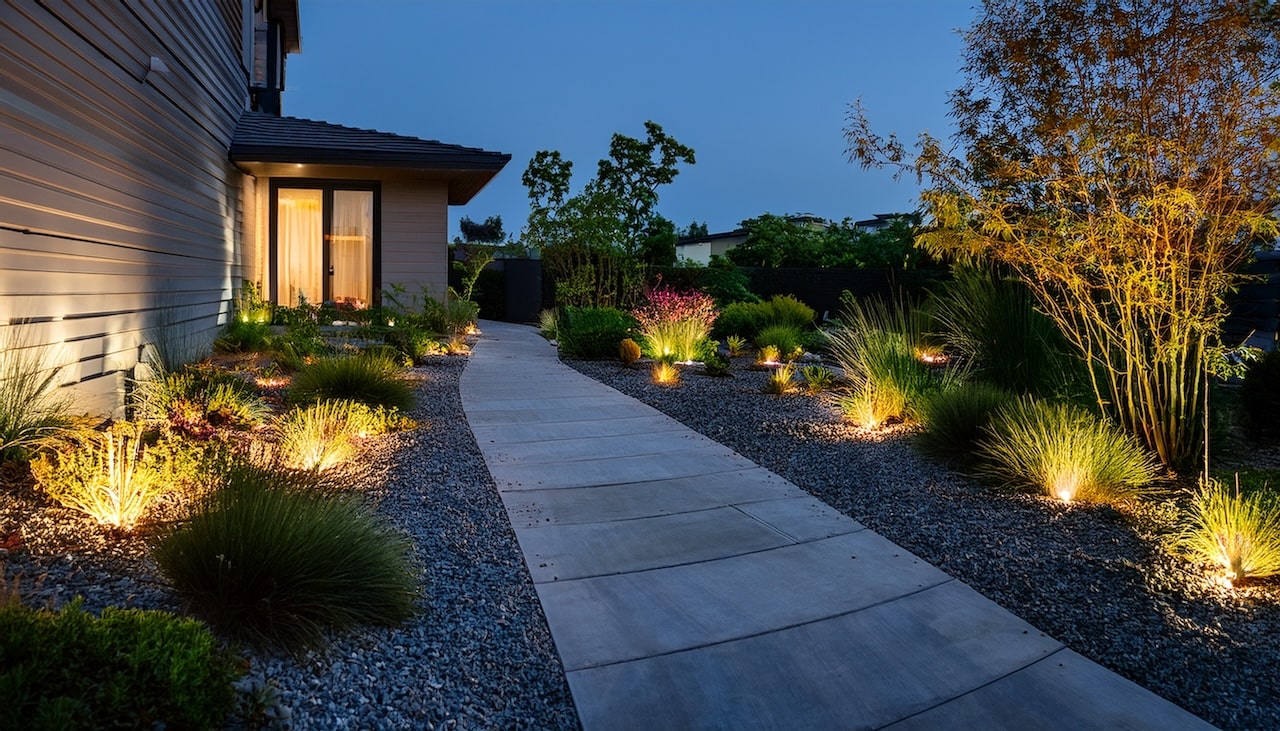
Garden beds, walls, and lighting
Integrated garden bed installation softens hard edges and connects the patio to the yard. Costs may include curved edging, soil, irrigation changes, decorative rock, plants, and maintenance access.
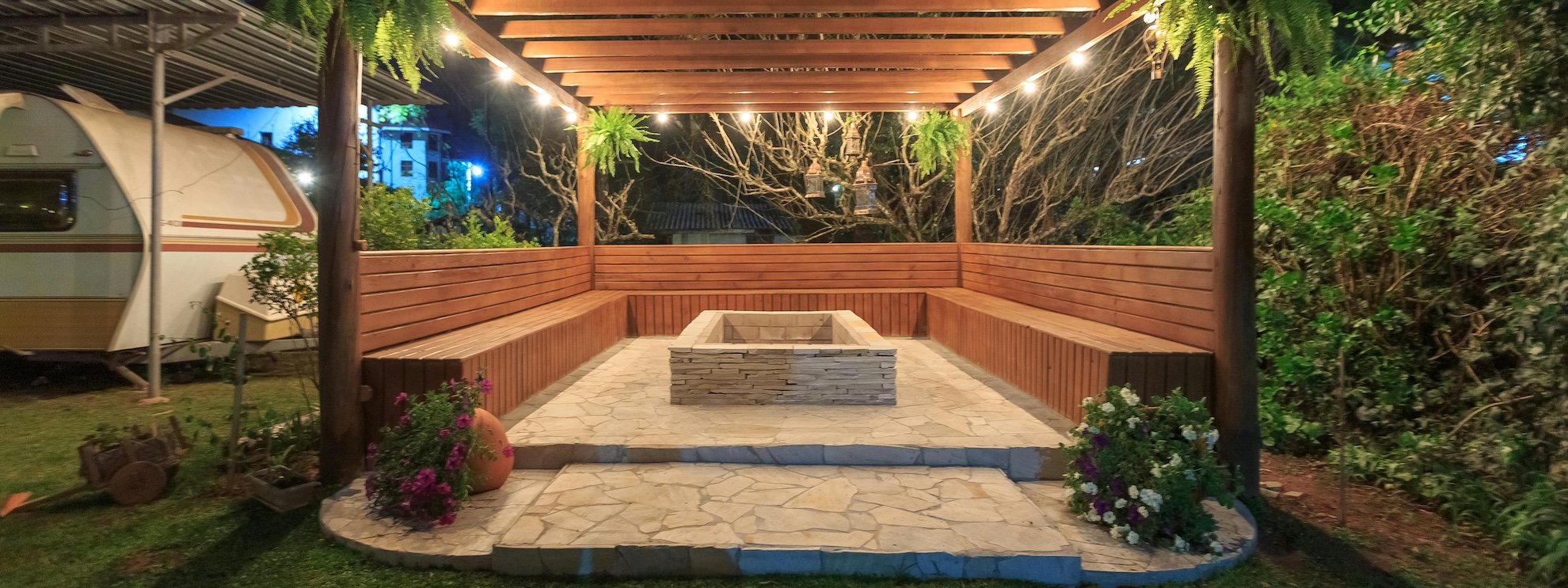
Seat walls can define an outdoor room, provide extra seating, and manage grade changes. Path lights, step lights, wall lights, and outlets make the space safer and more useful after sunset. Fire pits, outdoor kitchens, pergolas, and patio covers should also be treated as separate budget items.
These features increase the project total, but they can deliver overwhelming enjoyment when they make the patio comfortable, durable, and useful for dining, entertaining, gardening, or quiet evenings outside.
Read More: Designing a Backyard Fire Pit: Purpose, Budget, and Style
Three Sample Patio Budgets
These examples are planning tools, not bids.
Budget-conscious 200-square-foot patio
A rectangular patio with standard concrete pavers, a simple pattern, open equipment access, minimal grading, and no built-ins may cost about $4,000–$6,000.
Family outdoor-living patio
A 300- to 400-square-foot patio with architectural pavers, a contrasting border, a short walkway, one or two simple steps, and basic planting restoration may have a base-patio budget of $8,000–$16,000. Steps, walkways, and landscape work should be itemized separately.
Premium garden retreat
A 400-square-foot natural-stone or premium-paver patio with a curved footprint may start around $14,000–$24,000 or more for the surface and installation. Multiple steps, a pond, garden beds, a seat wall, and lighting should each have a separate allowance.
How to Keep Patio Costs Under Control
Start with a square or rectangular footprint and use one curve as a focal edge. Choose one primary paver and one border to reduce ordering complications, cutting, and waste.
Preserve equipment access where practical, even if that means temporarily removing a fence panel. If you plan to add lighting, a pergola, an outdoor kitchen, or a water feature later, install drainage, conduit, utility sleeves, and structural preparation during the patio project.
Request itemized estimates that separate square footage, paver allowance, excavation, disposal, base construction, cutting premiums, steps, walkways, walls, drainage, restoration, and utilities. This lets you compare matching scopes instead of unlike bottom-line totals.
Do Paver Patios Require a Permit?
Oregon generally exempts a private concrete sidewalk, slab, or driveway that is no more than 30 inches above adjacent grade and is not over a basement or lower story. The state also lists an exemption for certain patio, porch, or deck covers no larger than 200 square feet, no higher than 12 feet on average, and at least three feet from a property line.1
Local land-use rules, setbacks, easements, drainage requirements, and project conditions still apply. Covers, elevated areas, structural stairs, retaining walls, gas, electrical circuits, plumbing, or plumbed water features may change the requirements. Verify your design with the City of Grants Pass Building Division before construction.
Questions to Ask a Patio Contractor
- How deep will the excavation and aggregate base be?
- How will the finished patio drain?
- Which paver line and material allowance are included?
- Are demolition, disposal, edge restraints, and joint sand included?
- Are we including French drains or a drain field?
- How much cutting and waste are allowed?
- Are steps, walkways, walls, and drainage itemized?
- Who handles permits and utility coordination?
- What does the workmanship warranty cover?
- How will disturbed lawn and planting areas be restored?
Is a Paver Patio Worth the Cost?
A well-planned patio supports dining, grilling, entertaining, gardening, and safe movement between outdoor areas. Individual pavers can often be lifted and reset after localized settling or utility work.
Value is not limited to the surface price. Steps, beds, water, lighting, walls, and careful craftsmanship cost more because they turn the patio into a complete outdoor environment. The best design is one that fits the property and encourages you to use the space regularly.
Get Professional Help With Your Patio Plan
Professional planning is especially important when your yard has drainage problems, limited access, significant slope, old concrete, multiple elevations, retaining needs, or utilities. These conditions affect the base, finished height, construction sequence, and long-term durability.
M & B Landscaping can help with:
- Concrete paver and natural-stone patios
- Walkways, steps, and retaining walls
- Ponds, water features, and drainage
- Garden beds and complete outdoor-living spaces
Bottom line: Plan on $20–$30 per square foot for a basic patio, $25–$40 for a mid-range design, and $35–$60 or more for premium stone or custom work, then price major features separately.
Request a detailed hardscape estimate for your patio, walkway, steps, garden features, or complete outdoor living space.
Sources:
- Oregon Building Codes Division. “About Oregon Residential Building Permits.” State of Oregon, accessed July 27, 2026. https://www.oregon.gov/bcd/lbdd/pages/oregon-permits.aspx
- Grants Pass Building Division. “Building Division.” City of Grants Pass, Ore., accessed July 27, 2026. https://www.grantspassoregon.gov/229/Building-Division
Paver Patio Installation Cost
Grants Pass & Southern Oregon
ESTIMATED RANGE — 12' × 20' MID-RANGE PAVERS
$6,000 – $9,600
How we get this data Our cost ranges come from the countless projects we complete and the materials we source firsthand across Grants Pass and Southern Oregon. Every job is different — contact us for a precise quote on your property. Data as of July 2026.Mid-range architectural pavers
Architectural pavers offer more texture, color, and size choices. A contrasting border, multi-size pattern, upgraded joint material, or moderate cutting can move the project into the $25–$40 per sq ft range while balancing customization and budget.
Estimated for this project$6,000 – $9,600