Landscaping That Doubles as Pest Control
Creating a beautiful, low-maintenance landscape doesn’t mean you have to accept pest problems as inevitable. In fact, strategic plant selection and thoughtful hardscape integration can dramatically reduce pest pressure without heavy reliance on chemical controls.
This guide explores how shade flowers annuals serve as living pest deterrents, when corten panels make sense as physical barriers, and how growing moss creates a pest-resistant groundcover in shady areas where traditional lawns struggle.
By combining these three elements—plants, panels, and moss—homeowners can build an integrated pest management landscaping system that’s both aesthetically pleasing and functionally sound. The key is understanding how each component contributes to a healthier yard ecosystem that naturally suppresses common pests like slugs, fungus gnats, aphids, and burrowing rodents.
Shade Flowers & Annuals 101 for Pest-Smart Design
When we talk about shade flowers annuals, we’re referring to plants that thrive with limited direct sunlight—typically those that perform well in partial shade (three to six hours of sun) or full shade (less than three hours).
Annuals are particularly valuable in shade garden pest control because they offer flexibility. Unlike perennials, you can rotate annual plantings seasonally to disrupt pest life cycles, provide quick canopy coverage that reduces moisture and pest harborage at ground level, and introduce nectar resources that attract beneficial insects like parasitoid wasps and predatory beetles.
Within an integrated pest management framework, shade annuals fill multiple roles:
- They attract and sustain natural predators that keep pest populations in check
- They create physical barriers that make it harder for pests to move between plants
- They improve overall plant health through companion planting strategies
All of this reduces stress-related vulnerability to pest damage.
Shade Levels & Microclimates
Not all shade is created equal. Dappled shade—the shifting light beneath deciduous trees—offers more growing opportunities than deep, continuous shade found on north-facing walls or under dense evergreens.
Understanding these microclimates is critical for pest reduction. Areas under tree drip lines tend to be more humid and retain moisture longer, creating ideal conditions for slugs and fungus gnats if not properly managed. Poor drainage compounds the problem, turning shady beds into stagnant zones where mosquito larvae can breed and soil-borne diseases proliferate.
By matching plant selections to specific light and moisture conditions, you can create understory planting design that naturally improves airflow and reduces moisture-dependent pest populations.
The Pest-Control Payoff of Shade Annuals
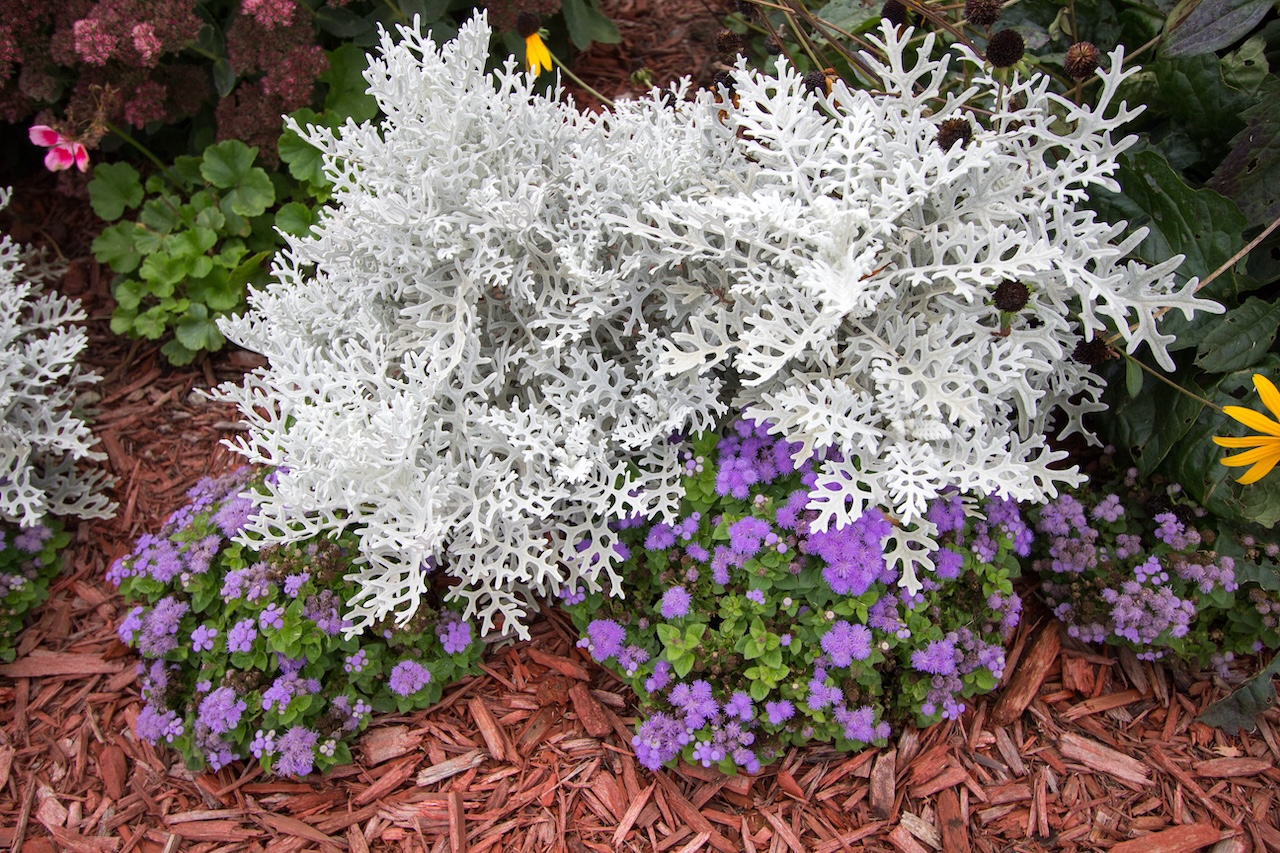
Shade annuals contribute to organic pest reduction through several mechanisms. Trap cropping involves planting species that pests prefer, drawing them away from more valuable plants where they can be easily managed or removed. Companion planting in shade strategically pairs plants to confuse or deter pests—for example, aromatic foliage can mask the scent signals pests use to locate host plants.
Many shade annuals also support beneficial insects in shade by providing pollen and nectar when few other shade plants are blooming. Healthier soil biology, encouraged by diverse annual plantings, leads to stronger plants that are naturally more resistant to pest stress. This low-maintenance shady yard approach focuses on prevention rather than reactive chemical applications.
Plant Traits That Deter Pests
Certain physical and chemical traits make shade annuals less attractive to pests. Aromatic foliage—found in varieties like certain coleus cultivars—can confuse insect pests that rely on scent to find host plants. Hairy or fuzzy leaves create a physical barrier that soft-bodied pests like aphids and whiteflies find difficult to penetrate. Plants with bitter or toxic sap are naturally avoided by many chewing insects. Vertical growth forms that promote better airflow for plant disease control reduce the humid, stagnant conditions where fungal diseases and pests thrive. Finally, selecting annuals with staggered flowering times ensures that predatory and parasitoid insects have a continuous food source throughout the growing season, keeping beneficial populations high even when pest pressure fluctuates.
Shortlist of Useful Shade Annuals
These shade flowers annuals earn their keep in pest-smart landscapes. Use them to boost airflow, feed beneficials, and reduce slug-and-gnat trouble.
- Impatiens (I. walleriana & New Guinea types): Constant blooms for pollinators; fast, dense cover that blocks weed harborage. Best in part to full shade with even moisture.
- Begonias (wax & tuberous): Thick, waxy foliage shrugs off light slug pressure; reliable color under trees and along north walls.
- Coleus: Rapid filler with aromatic foliage; upright forms improve airflow, helping discourage fungal issues in deep shade.
Torenia (wishbone flower): Thrives in moist shade; tubular flowers draw hoverflies and other beneficial insects.
Caladium: Dramatic, pest-resistant foliage when treated as an annual in cooler zones; ideal where flowers struggle. - Browallia: Delicate blue-violet blooms that perform in shade and help support beneficial insect populations.
- Lobelia (shade-tolerant varieties): Cascading habit for borders and containers; provides supplemental nectar in bright shade.
- Sweet alyssum (in part shade): Early nectar source that sustains predators and parasitoids through spring.
- Nasturtium (bright shade/edge zones): Acts as a sacrificial trap crop—highly attractive to aphids and snails/slugs—drawing pests away from premium plantings for easier removal.
Tip: Mix textures (e.g., wax begonia + torenia + coleus) to balance color with airflow, and place trap crops like nasturtium at bed edges for quick monitoring and disposal.
Pest-Smart Shade Annuals Matrix
| Plant | Shade Tolerance | Attracts Beneficials | Deterrents | Water Needs | Notes |
| Impatiens | Part to full | Pollinators | Aphids (moderate) | Moderate-high | Quick groundcover |
| Begonia | Part shade | Moderate | Slugs, aphids | Moderate | Thick, waxy leaves |
| Coleus | Part to full | Low | Multiple (aromatic) | Moderate | Rapid growth |
| Torenia | Part to full | Pollinators, predators | General pests | High | Continuous bloom |
| Sweet Alyssum | Part shade | Parasitoid wasps, flies | Aphids via predators | Low-moderate | Early nectar source |
| Nasturtium | Bright shade | Pollinators | Trap crop (aphids) | Low | Easy trap crop strategy |
When to Choose Corten Panels Instead (and When Not To)
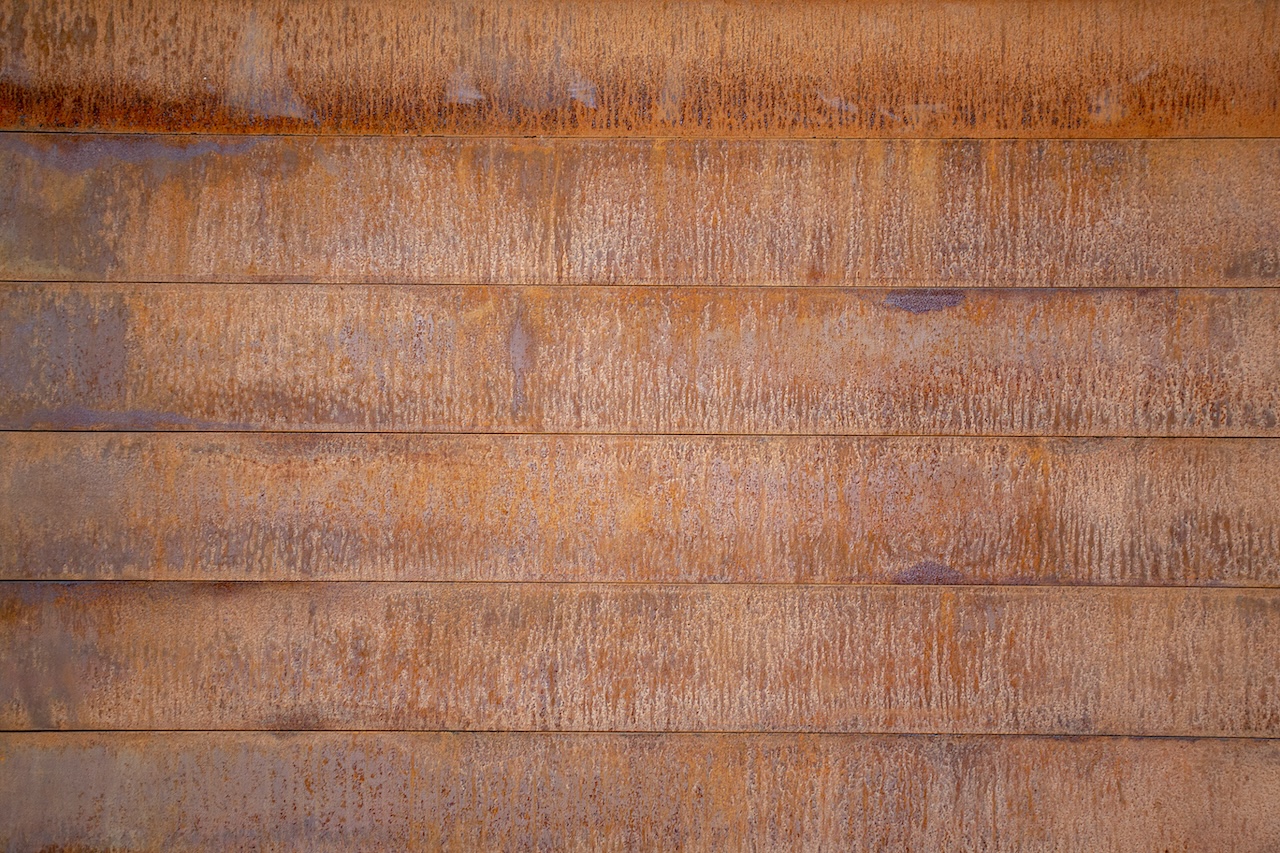
Corten panels are weathering steel products that develop a stable, protective rust patina over time. In pest management contexts, they serve as physical exclusion barriers, particularly effective against burrowing rodents like voles and gophers when installed along bed edges with proper depth.
The clean, vertical surface of corten steel screening eliminates the debris piles and mulch edges where slugs, millipedes, and ground beetles hide during the day. When used as barrier edging for rodents or to separate wet zones from plantings, corten panels reduce the continuous moisture corridors that slugs and snails travel along.
However, they have limitations: the dark steel can reflect heat that may stress nearby foliage in hot microclimates, the rust patina can stain adjacent paving or light-colored mulch, installation costs are higher than standard edging materials, and panels do nothing to deter flying pests like aphids or whiteflies. They’re best viewed as one component within a broader integrated pest management landscaping strategy rather than a standalone solution.
Placement Tips for Pest Reduction
For maximum pest-control benefit, install decorative garden panels at heights between 6 and 12 inches above grade—tall enough to discourage slugs from crossing but not so high they dominate the visual field. Bury the bottom edge at least 6 inches deep to block burrowing voles and gophers. Space panels slightly away from dense foliage to maintain airflow; stagnant air trapped between a panel and plant mass can increase fungal disease pressure.
Integrate corten panels into bed design by using them to define clean edges where mulch meets hardscape, create vertical accents that draw the eye upward, or form modular planting pockets that can be individually managed for soil moisture management shade. This allows you to tailor watering and pest monitoring to specific zones rather than treating an entire bed uniformly.
Shade Annuals vs. Corten Panels for Pest Pressure
| Factor | Shade Annuals | Corten Panels | Combined Approach |
| Target Pests | Aphids, whiteflies, fungus gnats, slugs (indirect) | Voles, gophers, slugs (physical barrier) | Broad spectrum coverage |
| Cost | Low (recurring) | High (one-time) | Moderate-high |
| Installation Difficulty | Easy (DIY planting) | Moderate (trenching, leveling) | Moderate |
| Speed of Impact | Weeks to months | Immediate | Immediate + building |
| Aesthetic Flexibility | High (seasonal changes) | Moderate (fixed design) | High (structure + color) |
| Maintenance | Regular (watering, deadheading) | Minimal (inspect edges) | Regular annuals, minimal panels |
Growing Moss in Shady Areas—The Low-Pest Groundcover
Growing moss as a living mulch alternative offers multiple pest-management advantages. Unlike traditional bark mulch or dense groundcovers that harbor pill bugs, earwigs, and slugs, moss forms a tight, uniform mat that suppresses weed growth and stabilizes soil moisture without creating the dark, moist refuges many pests need.
A moss groundcover shade installation doesn’t require mowing, which means fewer grass clippings that can attract fungus gnats and other decomposer pests. Moss thrives in the exact conditions where many homeowners struggle—compacted or acidic soils, deep shade under trees, north-facing walls, and moisture-retentive areas between stepping stones.
Because it lacks the complex leaf structure of vascular plants, moss doesn’t attract most foliage-feeding pests and rarely requires pest intervention. This makes it an ideal moss lawn alternative for areas where conventional turf fails and where integrating living mulch ideas can reduce overall landscape maintenance.
Moss + Annuals: Companion Layouts
Combining moss carpets with strategic pockets of shade flowers annuals creates a layered defense against pests. Use moss as the ground plane around annual plantings to reduce soil splash during rain or irrigation—this prevents fungus gnat prevention soil issues by keeping the surface of potting mix or bed soil drier around plant stems.
The tight moss mat discourages slugs by providing a less hospitable surface than bare soil or chunky mulch; slugs prefer environments with more texture and hiding spots. The drier transition zone where plant foliage meets moss (rather than wet mulch) reduces the humidity gradient that slugs and snails exploit.
Design garden beds so moss fills the spaces between annual clusters, creating a living buffer that visually unifies the planting while serving a functional pest-reduction role.
Common Moss Types for Home Landscapes
| Moss Type | Light | Moisture | Foot Traffic | Pest Notes |
| Cushion Moss (Leucobryum) | Part to full shade | Moderate-high | Low | Mounded form deters slugs |
| Sheet Moss (Hypnum) | Part to full shade | Moderate | Moderate | Flat, dense mat |
| Rock Cap Moss (Dicranum) | Part shade to sun | Low-moderate | Low | Dry edge tolerant |
| Fern Moss (Thuidium) | Full shade | High | Very low | Good between annuals |
Design Playbook: Blending Shade Annuals, Corten Panels, and Moss
The most effective pest-smart landscapes use a layered approach: corten panels provide structural definition and physical exclusion at bed edges, moss creates a low-pest ground plane, and shade flowers annuals deliver seasonal color while supporting beneficial insects. This combination addresses multiple pest pathways simultaneously.
Design bed shapes to avoid tight corners and dead-air pockets where moisture accumulates and pests congregate. Gentle curves, open bed centers, and intentional gaps between plant clusters all improve airflow for plant disease control while making the landscape easier to monitor and maintain. Think of corten panels as the skeleton of the design, moss as the skin, and annuals as seasonal accessories you can swap based on changing conditions and pest pressure.
Three Ready-Made Layouts
1) Narrow Side Yard Buffer: Install a low corten strip six to twelve inches tall along the property line or foundation. Fill the base with a ribbon of sheet moss, and plant pockets of torenia and coleus every 18 to 24 inches for continuous color and beneficial insect support. This design works well in high-traffic areas like pathways where mosquito reduction landscaping is a priority—the improved drainage and airflow reduce standing water issues.
2) Tree-Base Ring: Create a circular corten border around a mature tree to contain mulch and moss while preventing root competition. Plant shade-tolerant annuals like begonias in an outer ring, spaced to allow airflow. This layout naturally discourages fungus gnats by keeping the trunk area drier and improves visibility for monitoring slug activity along the clean metal edge.
3) Shady Patio Border: Use corten panels as a backdrop screen along a fence or wall. At the base, install moss stepping pads between pavers, and alternate pockets of begonias and sweet alyssum for continuous bloom. The vertical panel reduces moisture splash against the fence while the moss pads eliminate bare soil where fungus gnats breed. Sweet alyssum provides early-season nectar to establish parasitoid wasp populations before aphid pressure peaks.
See More: Patio & Paver Installation Services
Pest Targets & Plant Pairings
Matching specific shade-bed pests to targeted plants and strategies ensures that your pest management efforts are both efficient and effective. Rather than applying generic solutions across the entire landscape, focus resources where specific pests are most active and where prevention will have the greatest impact.
Slugs & Snails
Cultural practices matter more than plant selection for slug control. Improve airflow by spacing plants appropriately and pruning lower foliage that touches the ground or mulch. Keep mulch layers thin—no more than two inches—and consider using moss instead of bark in high-slug zones. Copper tape applied to the hidden side of corten panels can provide an additional deterrent at bed edges. For plant choices, select less palatable cultivars: certain coleus varieties with tougher foliage and begonias with thick, waxy leaves resist slug damage better than tender-leaved impatiens. If light levels permit, companion plantings of dill or fennel near bed edges can attract predatory ground beetles and rove beetles that feed on slug eggs and juveniles.
Fungus Gnats & Mosquito Zones
Fungus gnats breed in consistently moist, organic-rich soil. Watering discipline is the primary control: allow the top inch of soil to dry between waterings, and avoid overhead irrigation that keeps foliage and soil surfaces perpetually wet. Using moss as a buffer around annual plantings helps by reducing splash and keeping the soil surface drier. Position plants to maximize air movement; stagnant air promotes both gnat populations and fungal diseases. Sweet alyssum and other small-flowered annuals attract parasitoid flies and wasps that attack gnat larvae in the soil, providing biological suppression that reduces adult populations over time.
Aphids/Whiteflies on Shade Beds
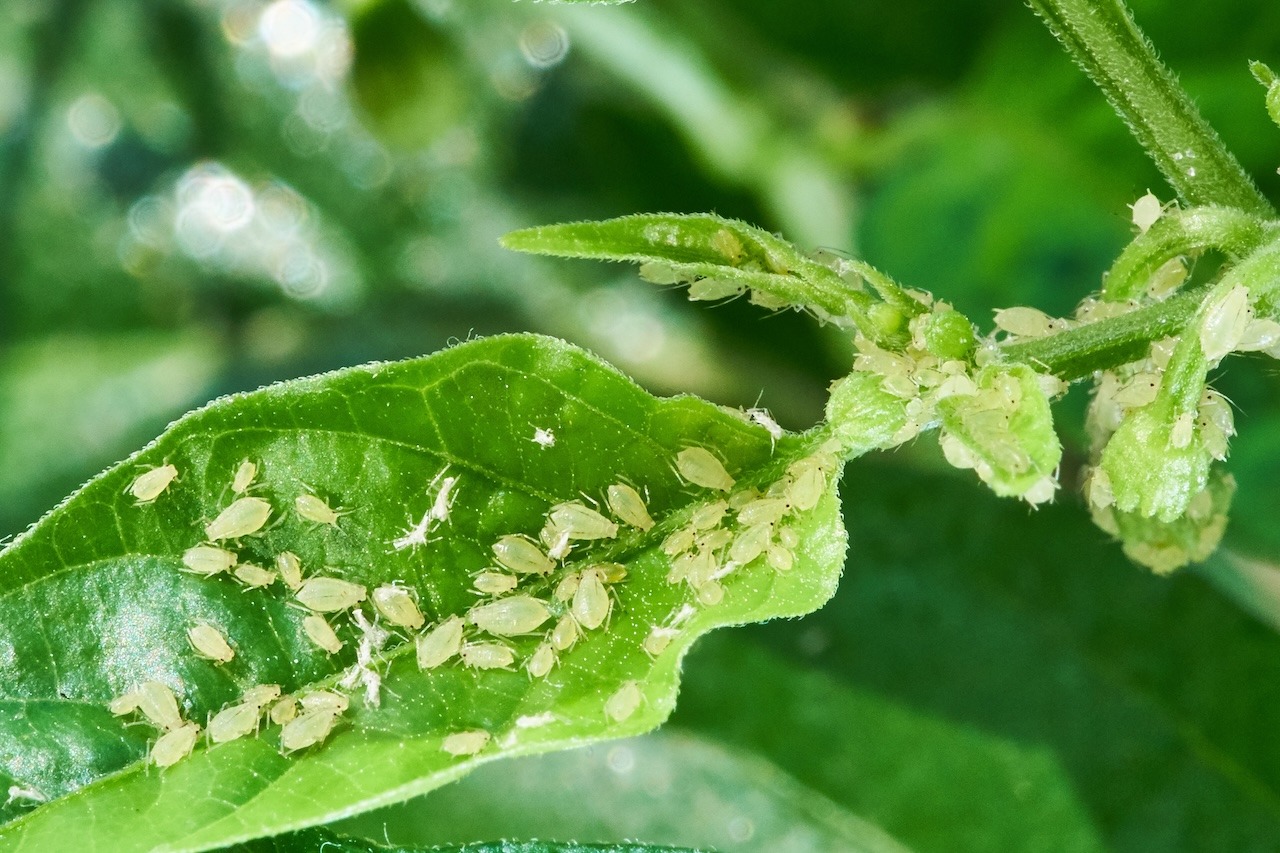
Aphids and whiteflies are common on shade annuals, particularly in warm, humid microclimates with poor airflow. Nasturtiums planted at bed edges in brighter shade areas serve as effective trap crops—they preferentially attract aphids away from more valuable plantings, where infested nasturtium plants can be quickly removed and destroyed before pests spread. Establishing early populations of beneficial insects is critical; plant sweet alyssum, torenia, or other nectar sources before pest pressure builds to ensure parasitoid wasps and lady beetles are already present when aphids arrive. Monitor weekly and remove heavily infested leaves by hand before populations explode.
Installation & Site Prep
Proper site preparation is the foundation of a successful pest-smart shade garden. Begin with a basic soil test to understand pH, nutrient levels, and drainage characteristics. In heavy clay or compacted soils, amend with compost and fine grit to improve drainage—standing water is an open invitation to mosquito breeding and root diseases. Remove existing slug refuges like debris piles, stacked wood, and overgrown groundcovers where pests overwinter. When installing corten panels, dig a footing trench at least six inches deep to anchor the panels and exclude burrowing pests. Ensure panels are level and allow for slight gaps at joints to prevent rust-stained runoff from pooling. For annual beds, work in two to three inches of finished compost, plan spacing based on mature plant size to maintain airflow, and apply a thin top dressing of moss or fine mulch to suppress weeds without creating pest habitat. If growing moss as groundcover, clean the site thoroughly, lightly scarify compacted surfaces to improve contact, and maintain consistent moisture for the first three to four weeks until moss establishes.
Seasonal Maintenance & Monitoring Calendar
Consistent monitoring and light maintenance prevent small pest issues from becoming major problems. Weekly tasks include removing fallen leaves and plant debris that shelter pests, deploying yellow sticky cards near annuals to monitor fungus gnat and whitefly populations, and conducting quick slug sweeps after rain or irrigation when slugs are most active. Monthly, prune back any dead or diseased foliage to maintain airflow, rotate annual plantings in high-pest zones to disrupt pest life cycles, and check moisture levels in moss areas to ensure they aren’t drying out or becoming waterlogged. Seasonally, refresh moss edges where foot traffic or erosion has degraded coverage, inspect corten panels for sharp edges or shifting caused by frost heave, and re-set any barriers that have become displaced. Early spring is the best time to reset the entire system—remove overwintering pest debris, refresh compost in annual beds, and plan new rotations based on the previous year’s pest patterns.
Seasonal Maintenance Calendar
| Frequency | Tasks |
| Weekly | Remove debris, deploy sticky cards, slug sweeps after rain |
| Monthly | Prune for airflow, rotate annual pockets, check moss moisture |
| Seasonal | Refresh moss edges, inspect corten for frost heave, re-set barriers, plan rotations |
Budget & ROI: Plants vs. Panels vs. Moss
Understanding the cost structure of each component helps homeowners make informed decisions about where to invest.
Shade flowers annuals have low to moderate upfront costs (typically $3 to $8 per plant in four-inch pots), but because they’re annuals, you’ll need to replant each season. This recurring cost is offset by the flexibility to adjust plantings based on evolving pest patterns.
Corten panels represent a higher upfront investment of $15 to $40 per linear foot depending on height and thickness, but last decades with virtually no maintenance beyond occasional inspections.
Moss is the most economical option for groundcover if you source it as plugs or small sheets rather than trying to establish it from spores; expect $50 to $150 per 100 square feet, with minimal replacement costs once established.
Return on investment should be measured not just in dollars but in reduced pest control inputs: fewer chemical applications, less time spent battling recurring infestations, and the intangible value of improved curb appeal and a healthier yard ecosystem.
Cost Snapshot
| Item | Upfront Cost | Lifespan | Maintenance | Pest Impact Speed |
| Shade Annuals | $3-8/plant | 1 season | Regular watering, deadheading | 2-6 weeks |
| Corten Panels | $15-40/linear ft | 20+ years | Minimal inspection | Immediate (physical barrier) |
| Moss | $50-150/100 sq ft | Indefinite (if maintained) | Light moisture monitoring | 3-8 weeks |
Common Mistakes to Avoid
Even well-intentioned shade gardens can fail if common errors aren’t avoided. Over-watering deep shade beds is perhaps the most frequent mistake—plants in full shade use water much more slowly than those in sun, and excess moisture creates ideal conditions for fungus gnats, root rot, and slug populations.
Planting slug-susceptible annuals like hostas or tender impatiens without protective measures (raised edges, copper barriers, or companion moss) invites rapid damage. Installing corten panels without accounting for heat reflection can stress nearby plants; in hot climates or west-facing beds, keep panels at least 12 inches away from delicate foliage or choose lighter-colored edging materials.
Similarly, failing to consider potential rust staining on light-colored pavers or gravel can lead to permanent discoloration—plan drainage pathways away from sensitive surfaces.
Finally, expecting moss to thrive in high-traffic, dry, or alkaline conditions without proper site preparation almost always results in failure. Moss requires consistent moisture during establishment, slightly acidic to neutral pH, and protection from compaction. Take the time to prepare the site correctly, and moss will reward you with decades of low-maintenance, pest-resistant coverage.
Conclusion & Next Steps
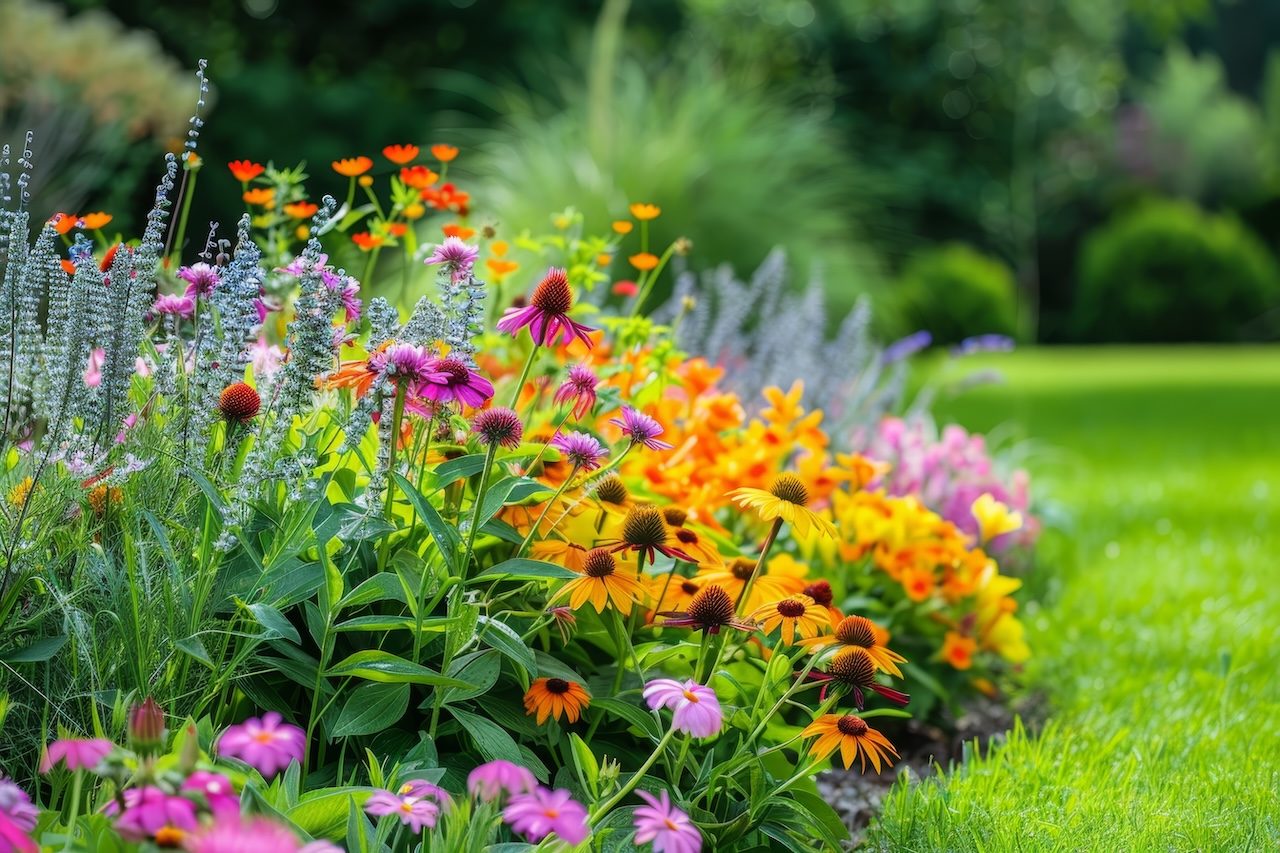
Building a pest-smart shade garden doesn’t require an all-or-nothing approach. The three-part strategy—shade flowers annuals for biological pest control and seasonal interest, corten panels for physical exclusion and clean edging, and growing moss as a low-pest groundcover—can be implemented incrementally based on your budget, time, and specific pest challenges. Start with one quick win this weekend: run a corten panel along a problem edge where voles or slugs are most active, plant two trays of begonias or torenia in a trouble spot, or establish a small moss patch where grass persistently fails. Each small improvement builds toward a more resilient, lower-maintenance landscape that works with nature rather than against it. For professional design assistance, site-specific recommendations, or help with installation, contact M&B Landscaping. Our team specializes in integrated pest management landscaping solutions tailored to your property’s unique conditions and challenges.
Ready to Transform Your Shady Yard
Contact M&B Landscaping today for a personalized consultation. Let our experts help you design and install a pest-smart landscape that’s beautiful, sustainable, and low-maintenance.
FAQs
Will corten panels harm my soil?
Once the rust patina fully develops—typically within six to twelve months—corten steel is chemically stable and does not leach significant iron into the soil. Runoff during the initial weathering phase can stain nearby surfaces, so plan drainage away from light pavers and manage initial runoff with strategic grading or catch basins.
Can I grow moss on compacted soil?
Yes, but surface preparation improves success rates dramatically. Lightly scarify compacted areas with a rake to create small grooves where moss can anchor, remove any existing weeds or grass, and ensure consistent moisture for the first month. Moss actually tolerates compaction better than most vascular plants, making it ideal for problem areas where grass fails.
Are shade annuals high maintenance?
Shade annuals are generally lower maintenance than their sun-loving counterparts because they require less frequent watering and often suffer less heat stress. The key is proper spacing for airflow, watering at the soil level rather than overhead, and rotating plantings annually to disrupt pest cycles. With these practices in place, shade annuals can be among the easiest plants to manage in a home landscape.