Choosing between astroturf and real grass isn’t about which option is objectively better — it’s about which one fits how your yard gets used and how much maintenance you’re willing to take on. Both can look great and perform well when installed correctly. The difference comes down to priorities.
Why Homeowners Compare Astroturf and Real Grass
More homeowners are weighing this decision than ever before. Rising water costs, busy schedules, and increasing demand for outdoor living spaces have all pushed fake grass into the mainstream conversation. At the same time, natural grass remains a strong contender — especially for families who value a living, cooling, organic lawn. The decision usually comes down to four factors: aesthetics, maintenance, water use, and durability.
What People Usually Mean by Astroturf vs. Fake Grass
“Astroturf” is actually a brand name — like Kleenex for tissues — but most homeowners use it as a generic term for any synthetic lawn surface. Fake grass, artificial grass, synthetic turf, and artificial turf all refer to the same product category: a manufactured ground cover designed to look and feel like natural grass. For this article, astroturf and fake grass are used interchangeably the way most consumers use them.
Why Real Grass Is Still a Strong Option
Natural grass has real advantages that synthetic products can’t fully replicate. It stays cooler underfoot, absorbs rainfall naturally, and provides a soft, living texture that many homeowners — and kids — simply prefer. For yards that don’t receive heavy, concentrated traffic, a healthy natural lawn is hard to beat aesthetically and environmentally.

Cost Comparison: Upfront Price vs. Long-Term Expense
The Upfront Cost of Installing Astroturf
Synthetic turf is a significant upfront investment. Between materials, base preparation (crushed rock, weed barrier, edging), and professional installation, most homeowners pay $8–$20 per square foot installed, depending on turf quality and yard complexity. A 500-square-foot backyard can run $4,000–$10,000 before any landscaping around it.
The Ongoing Cost of Maintaining Real Grass
Natural grass costs less to install — seeding runs roughly $0.10–$0.20 per square foot, sod $1–$2 per square foot — but the ongoing costs add up. Annual maintenance typically includes:
- Mowing (DIY time or lawn service: $100–$250/month)
- Irrigation (water bills can increase $30–$80/month in summer)
- Fertilizing and weed control ($200–$500/year)
- Aeration, overseeding, and lawn treatments ($150–$400/year)
Which Option Offers Better Long-Term Value
The break-even point for synthetic turf typically falls at 8–12 years, depending on water costs, maintenance spending, and turf quality. For homeowners in dry climates, high-traffic yards, or properties with irrigation challenges, fake grass often pays off. For those who enjoy lawn care and have manageable water costs, real grass remains the more economical choice.
Cost Comparison at a Glance
| Factor | Astroturf / Fake Grass | Real Grass |
| Installation cost | $8–$20/sq ft | $1–$2/sq ft (sod) |
| Annual maintenance cost | $200–$500 | $600–$1,500+ |
| Repair cost | $500–$2,000 (patch replacement) | $50–$300 (reseed/resod) |
| Lifespan | 15–25 years | Indefinite with care |
| Water use | Near zero | High (summer irrigation) |
Maintenance: Which Lawn Is Easier to Care For?
What Fake Grass Maintenance Actually Involves
Synthetic turf isn’t zero maintenance — it’s low maintenance. Routine tasks include:
- Brushing fibers upright with a stiff broom (a few times per year)
- Rinsing to remove dust, pollen, and debris
- Debris removal — leaves and organic matter sit on top rather than decomposing into soil
- Pet cleanup — urine drains through, but the surface needs regular rinsing and occasional deodorizing treatment
- Infill replenishment — the sand or rubber infill that gives turf its cushion may need topping up every few years
What Real Grass Maintenance Typically Includes
Natural lawn care is ongoing and seasonal:
- Mowing every 1–2 weeks during the growing season
- Edging along borders and hardscape
- Watering 1–2 inches per week in dry months
- Weed control throughout the growing season
- Seasonal fertilizing, aerating, and overseeding thin areas
Which Option Is Better for a Low-Maintenance Lifestyle
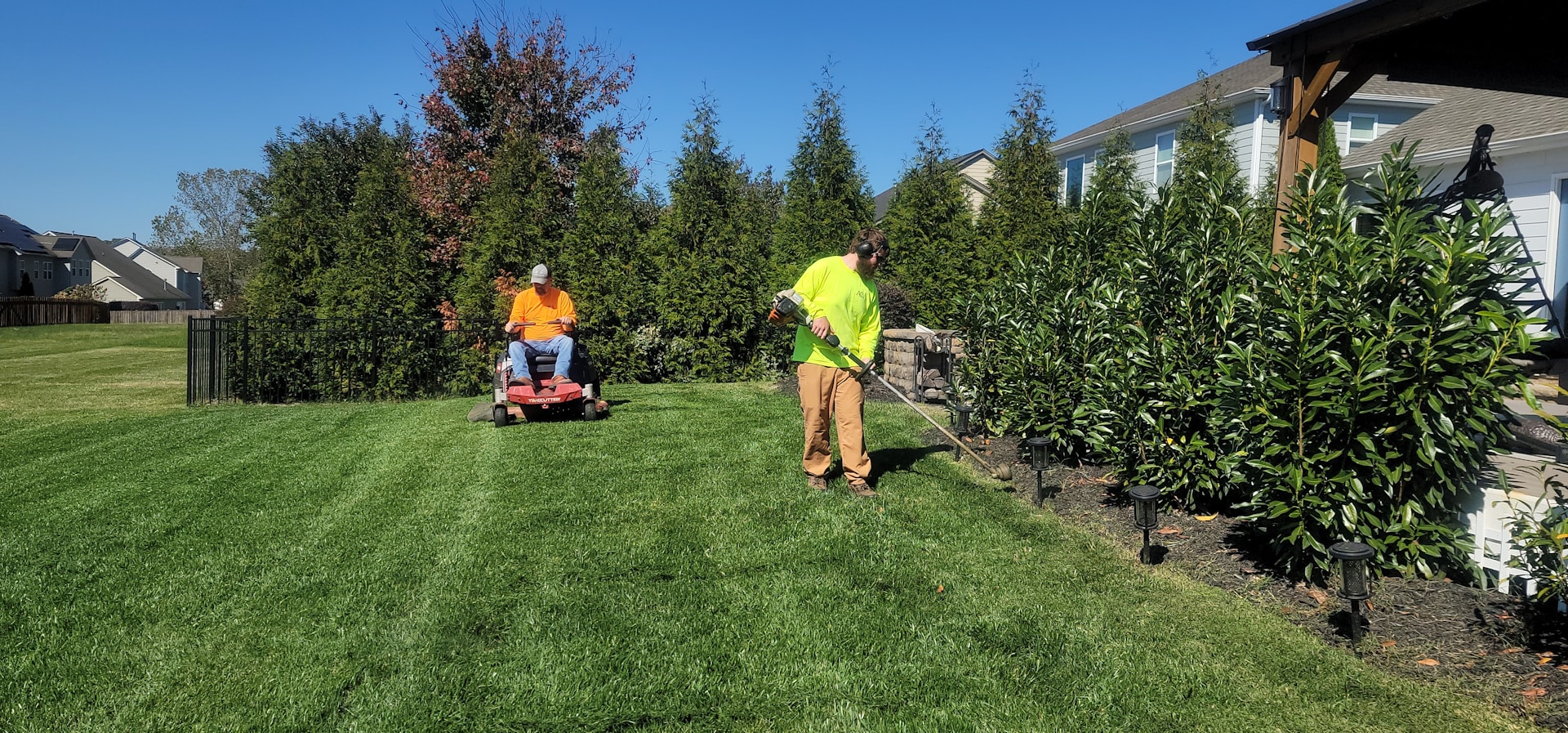
If you travel frequently, have a busy household, or simply don’t want to think about your lawn every week, fake grass dramatically reduces the time commitment. If you enjoy weekend yard work and want to stay active in maintaining your outdoor space, real grass is a manageable and rewarding choice.
Appearance and Feel: Which One Looks Better?
The Visual Strengths of Modern Fake Grass
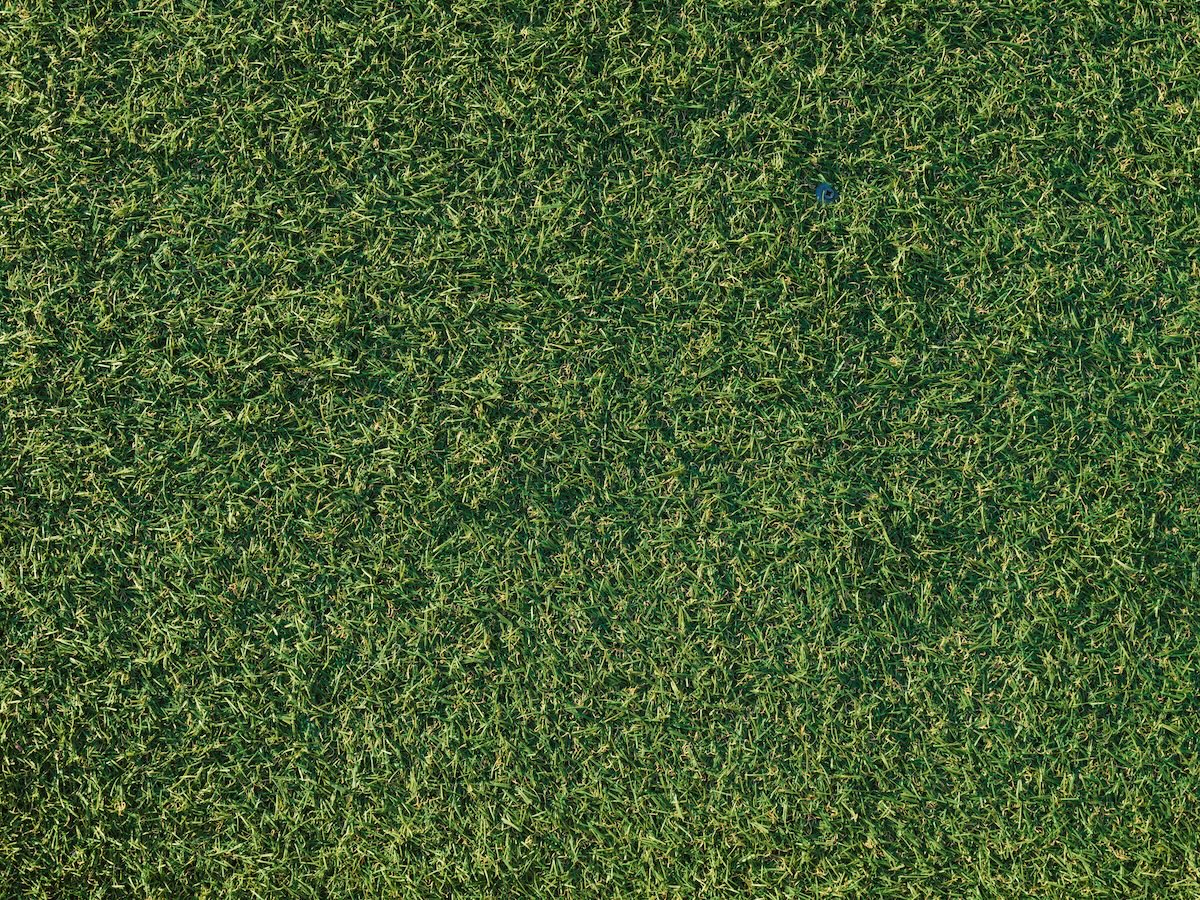
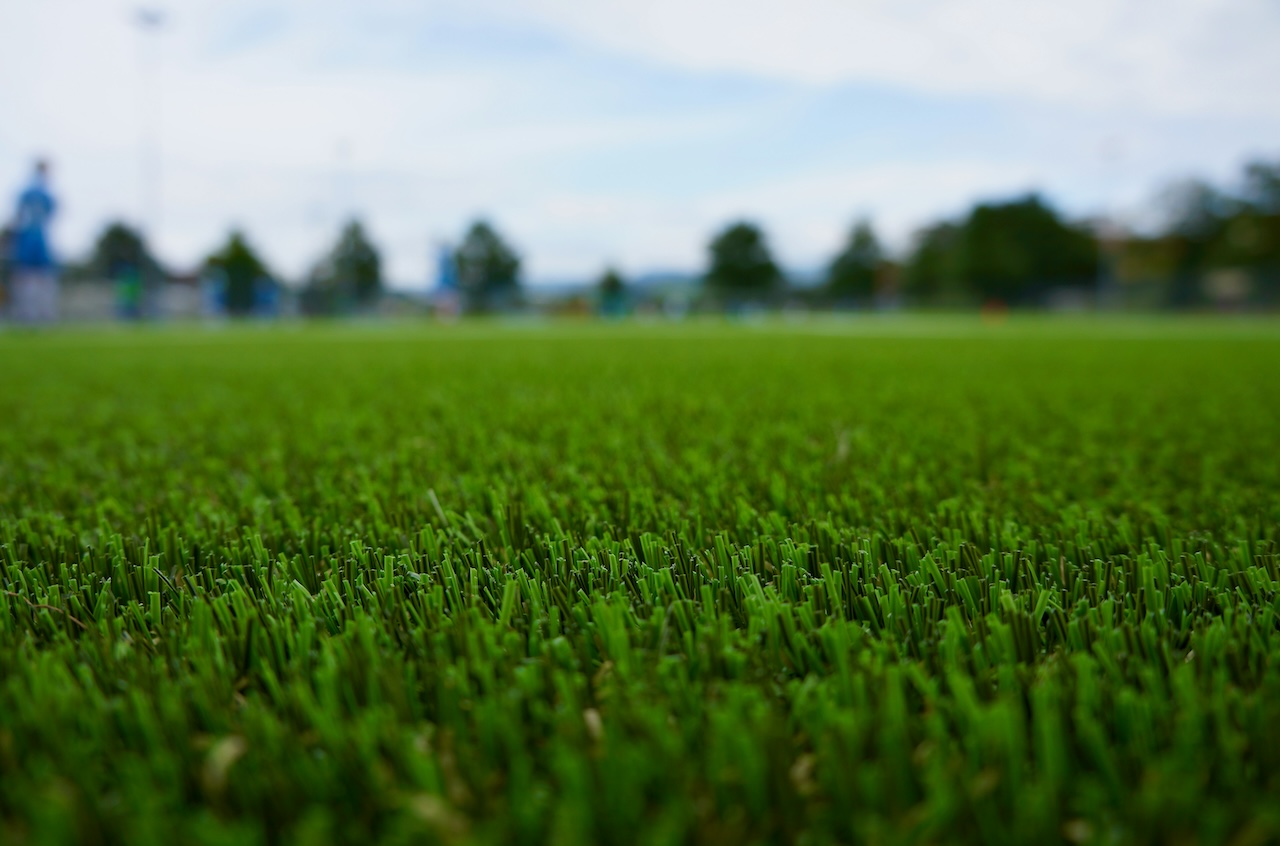
Today’s synthetic turf products are a significant step forward from the flat, plasticky grass of older generations. Quality products feature multi-tone blade colors, varied textures, thatch layers, and realistic-looking wear patterns. The result is a lawn that looks consistently tidy, deep green, and well-maintained year-round — regardless of weather, traffic, or season.
The Natural Look and Softness of Real Grass
Natural grass has a living quality that no synthetic product fully replaces. Blades move in the wind, vary naturally in shade and texture, and feel soft and cool underfoot on a warm day. Many homeowners describe it as more inviting — there’s a sensory element to real grass, from the feel underfoot to the smell after mowing, that artificial turf simply doesn’t deliver.
How Usage and Weather Affect Appearance Over Time
Real grass develops wear paths, patchiness, and bare spots in high-traffic zones. Synthetic turf holds its color and coverage better under traffic but can show matting or flattening in heavily used areas. In heat, fake grass can look fine but feel very different — surface temperatures can climb significantly higher than surrounding air temperature.
Appearance Scoring
| Factor | Astroturf / Fake Grass | Real Grass |
| Consistency | ⭐⭐⭐⭐⭐ | ⭐⭐⭐ |
| Natural look | ⭐⭐⭐ | ⭐⭐⭐⭐⭐ |
| Softness underfoot | ⭐⭐⭐ | ⭐⭐⭐⭐⭐ |
| Seasonal change | None (stays green) | Significant (browning, dormancy) |
| After heavy use | Mild matting | Bare patches |
Durability and Performance in Everyday Use
Best Choice for High-Traffic Backyards
Fake grass handles concentrated traffic better. Real grass — especially in shaded areas or clay-heavy soils — wears thin quickly in heavily used zones like play areas, goal mouths, or paths between structures. Synthetic turf holds up without bare spots, discoloration, or mud.
Best Choice for Pets and Play Areas
For dogs, fake grass offers some advantages: no digging up bare patches, no mud tracked indoors, and firmer footing after rain. The tradeoff is odor management — pet urine requires regular rinsing and enzymatic treatment to prevent smell buildup. Real grass naturally neutralizes odors but suffers visually from pet use, developing yellow burn spots from urine and bare zones from digging.
For kids’ play areas, synthetic turf provides a clean, consistent surface. Real grass, when healthy, is softer for falls but becomes muddy and worn quickly with heavy play.
What Happens When Damage Occurs
Real grass can be reseeded or resodded in patches — it’s forgiving and relatively cheap to repair. Damaged synthetic turf requires cutting out the affected section and splicing in a new piece, which is more involved and can leave a visible seam if not done carefully. However, quality synthetic turf rarely needs repair within its expected lifespan.
Water Use, Heat, and Environmental Considerations
Water Savings With Fake Grass
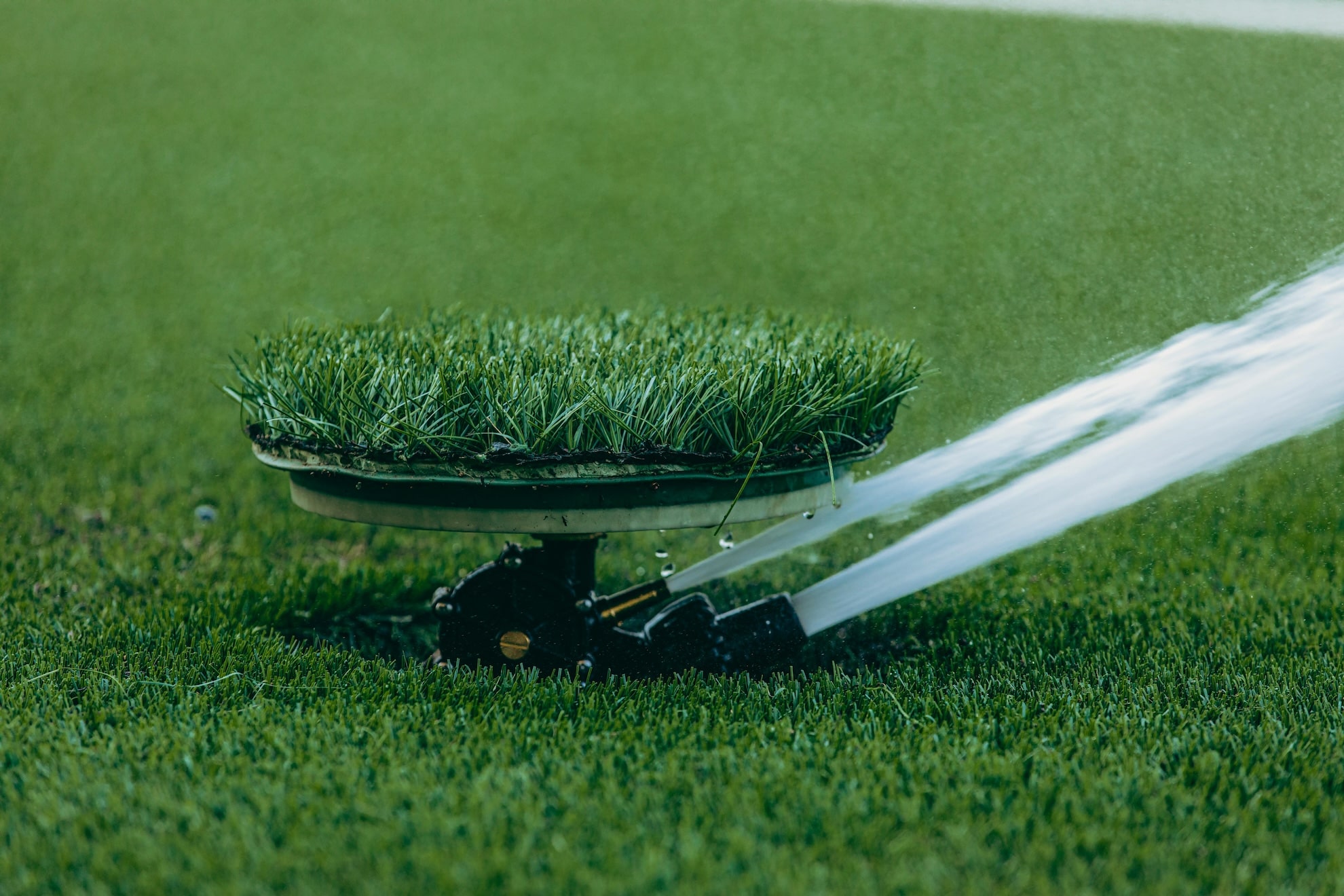
This is one of the clearest advantages of synthetic turf. Once installed, an artificial lawn requires essentially no irrigation — just occasional rinsing for cleanliness. For homeowners in areas with high summer irrigation costs or water restrictions, the savings can be substantial and help offset the higher installation cost over time.
Heat Retention and Comfort Underfoot
This is one of synthetic turf’s most significant drawbacks. On a sunny day, fake grass surface temperatures can reach 140–170°F — 30–50°F hotter than the surrounding air and far hotter than natural grass. This makes it uncomfortable or unusable for barefoot play during hot afternoons. Shade, proximity to trees, and nearby planted areas can help reduce the effect, but it’s a real limitation in warm climates.
Environmental Pros and Cons of Each Option
Neither option is fully “green.” Real grass requires water, fertilizers, pesticides, and gas-powered mowing — all with environmental costs. Synthetic turf eliminates water use and chemical inputs but is made from petroleum-based plastics, is not biodegradable, and eventually ends up in a landfill after 15–25 years.
Environmental Comparison
| Factor | Astroturf / Fake Grass | Real Grass |
| Water use | Near zero | High |
| Cooling effect | Poor (retains heat) | Good (evaporative cooling) |
| Chemicals needed | None | Fertilizers, herbicides, pesticides |
| Carbon footprint | High upfront (manufacturing) | Ongoing (mowing, inputs) |
| End-of-life | Landfill (non-biodegradable) | Natural decomposition |
Pros and Cons of Astroturf
Pros of Astroturf
- Low routine maintenance — no mowing, edging, or watering
- Year-round green appearance — stays consistent regardless of drought, dormancy, or season
- Durable in high-traffic zones — holds up under pets, kids, and entertaining without bare patches
- Mud-free — no soggy, torn-up surfaces after rain
- Good for difficult areas — shaded zones, slopes, or spots where real grass consistently fails
Cons of Astroturf
- High upfront installation cost — significantly more expensive than seeding or sodding
- Heat retention — surface temperatures can become uncomfortable or unusable in hot weather
- Artificial feel — lacks the softness, cooling effect, and sensory quality of living grass
- Pet odor management — requires regular rinsing and treatment in pet-heavy yards
- Eventual replacement — quality products last 15–25 years but do need full replacement eventually
- Environmental disposal — non-biodegradable materials end up in landfills at end of life
Pros and Cons of Real Grass
Pros of Real Grass
- Natural look and feel — texture, movement, and softness that synthetic products can’t replicate
- Cooler surface temperatures — stays comfortable underfoot even on warm days
- Living landscape benefits — supports pollinators, absorbs carbon, and contributes to soil health
- Lower upfront cost — significantly cheaper to install via seeding or sod
- Easier spot repairs — reseeding or resodding damaged areas is simple and inexpensive
- Biodegradable — no landfill concerns at end of life
Cons of Real Grass
- Regular mowing and edging — ongoing weekly commitment during growing season
- Water-intensive — requires consistent irrigation in dry months
- Patchiness and wear — high-traffic areas develop thin or bare spots
- Weed and pest pressure — requires ongoing treatment to keep looking good
- Seasonal dormancy — can go brown in drought or cold, reducing curb appeal
- Input-heavy — fertilizers, herbicides, and aeration treatments add cost and time
Which Option Is Best for Your Backyard?
Choose Fake Grass If…
- You want to significantly reduce weekly lawn maintenance
- Your yard has high-traffic zones that consistently wear out natural grass
- You have dogs or active kids and want a mud-free, durable surface
- Water costs or restrictions make natural grass irrigation impractical
- You’re looking for year-round consistency with minimal seasonal intervention
Choose Real Grass If…
- You value the natural look, feel, and cooling effect of a living lawn
- Your yard gets moderate traffic and is manageable with regular care
- You enjoy lawn maintenance or have a lawn service already
- Budget favors a lower upfront investment
- You prefer an environmentally living landscape
When a Mixed Approach Makes the Most Sense
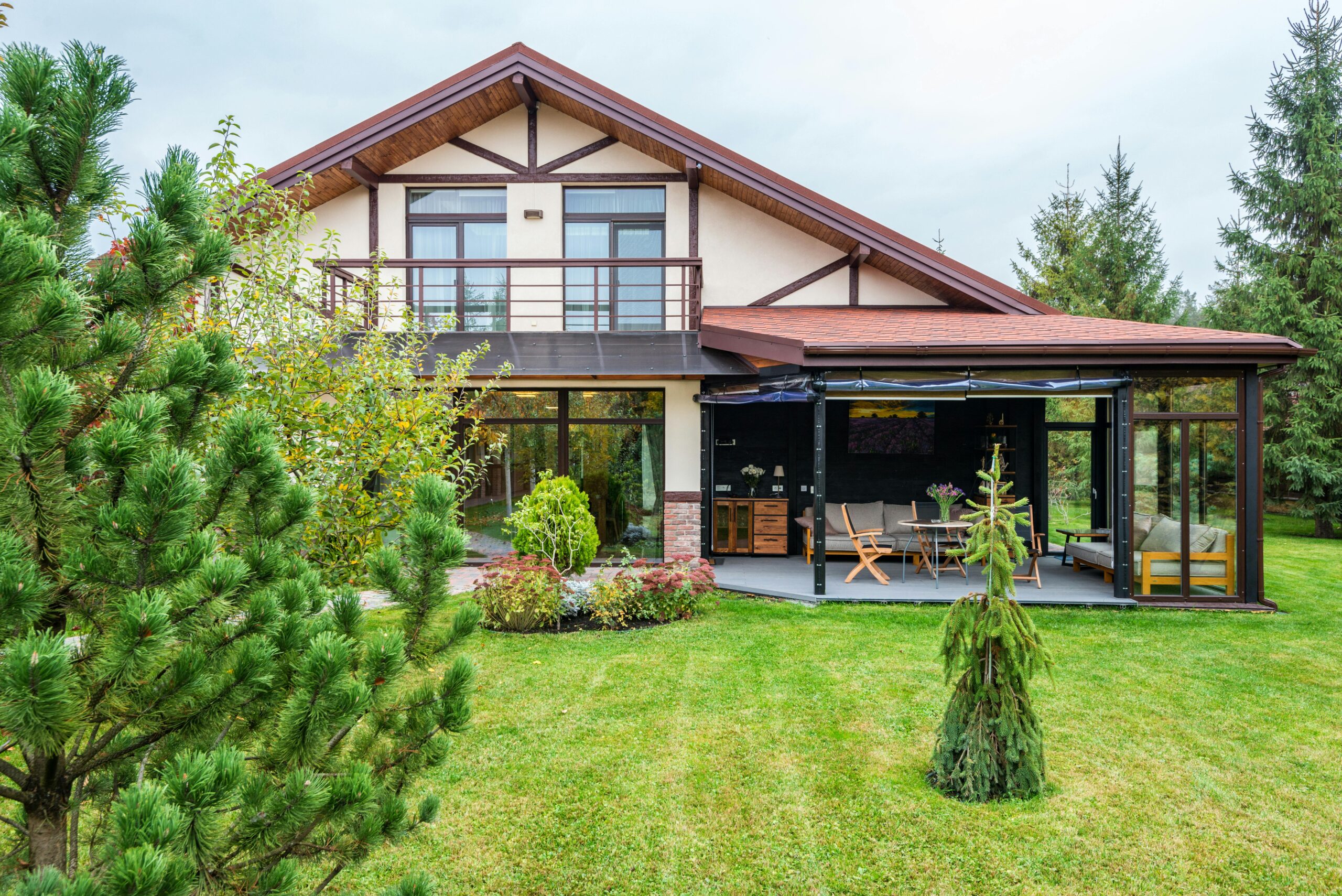
Many of the best backyards don’t choose one or the other — they use both strategically. Synthetic turf in the high-traffic play area or dog run, natural grass or planted beds in lower-traffic zones, and perennial borders along fences to add color and texture. This approach captures the durability of fake grass where it matters and the natural beauty of real plantings everywhere else.
Best Choice by Homeowner Priority
| Priority | Best Option |
| Lowest routine maintenance | Fake grass |
| Natural beauty and feel | Real grass |
| Pets and play durability | Fake grass |
| Lowest upfront cost | Real grass |
| Water conservation | Fake grass |
| Cooler surface in summer | Real grass |
| Year-round consistent appearance | Fake grass |
| Environmental preference | Real grass |
| Entertaining and outdoor living | Mixed approach |
Common Mistakes Homeowners Make When Comparing Fake Grass and Real Grass
1. Looking Only at Installation Cost
Upfront cost is just one part of the equation. Real grass may cost less to install, but if you’re spending $800–$1,500 per year on irrigation, lawn care, and treatments, synthetic turf’s higher installation cost can pay back in under a decade. Always calculate the total cost of ownership over 10–15 years, not just the first invoice.
2. Underestimating Real Grass Maintenance
Many homeowners underestimate how much time and money a natural lawn actually requires. Mowing alone — even if you do it yourself — represents a significant ongoing commitment. Add in watering schedules, weed treatments, and seasonal care, and the “cheaper” option often requires more from you than you anticipated.
3. Ignoring How Hot Synthetic Turf Can Get
This is the most commonly overlooked drawback. Homeowners see photos of beautiful fake grass and imagine using it barefoot on a summer afternoon — but in direct sun, surface temperatures can make that genuinely painful. If you’re installing in a south-facing, sun-exposed yard with no shade, this deserves serious consideration before committing.
4. Choosing Based Only on Photos
Both options can look stunning in professional photos. Product photos show synthetic turf at its most pristine; landscaping photos show natural grass perfectly maintained. Evaluate both in person — touch them, observe them in warm weather, and visit a yard or project that’s been installed for a few years rather than a few weeks.
Get Help Choosing the Right Lawn Surface
The right lawn surface depends on more than personal preference — drainage, soil conditions, sun exposure, existing irrigation, and how the space actually gets used all affect which option performs best for your specific yard. A well-installed fake grass lawn with poor drainage will fail. A natural lawn installed in the wrong soil without proper irrigation will struggle. Getting the installation right matters as much as which product you choose.
How M & B Landscaping Helps Homeowners Compare Turf Solutions
M & B Landscaping works with homeowners to evaluate the real trade-offs — not just show you photos and upsell a product. We assess your yard’s drainage, traffic patterns, sun exposure, and irrigation before making a recommendation. Whether you’re interested in synthetic turf for a high-use zone, natural lawn restoration, or a mixed approach that combines turf and planted areas, we help you choose based on your yard, your family, and your goals.
Our services include turf consultation and site evaluation, fake grass installation, natural lawn installation and renovation, irrigation planning, and landscape design that integrates turf with planting beds and hardscape.
Bottom line: Astroturf and fake grass win on low routine maintenance and durability in heavy-use areas. Real grass wins on natural beauty, cooler surfaces, and lower upfront cost. For most backyards, the best answer isn’t all-or-nothing — it’s putting the right surface in the right place.
Ready to figure out which option fits your yard? Contact M & B Landscaping to schedule a turf consultation.