The Best Time of Year to Lay Sod in Oregon (and Why Tall Fescue Wins)
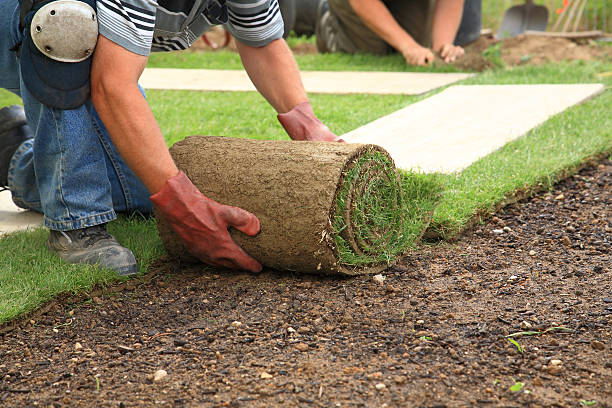
Sod gives you a finished lawn in a single day, but the roots underneath still need a few weeks to grab hold. When you lay it decides how easy those weeks are. Get the timing right and new sod knits into the soil with little fuss. Get it wrong and you spend the summer fighting brown seams and dry edges. In Southern Oregon, the short answer is simple: early fall is the best time to lay sod, and spring is a strong second. Summer works if you can water heavily, and winter is usually a bad bet. Below, you’ll find a month-by-month guide, the grass we recommend most, and a simple watering plan for the first month. Why Timing Matters for New Sod Our lawns are cool-season grasses. They grow hardest when air temperatures sit in the 60s and 70s and the soil is still warm. That’s when new roots push down into the soil fastest. Local weather pulls in two directions. Summers are hot and dry, with July and August highs around 90°F in Grants Pass. Winters are cool and wet, with December alone averaging about 8 inches of rain. Heavy clay soils hold that winter water and stay soggy for weeks. That means your two biggest threats are: Summer heat stress — sod dries out from the edges in before the roots can reach moisture below. Winter waterlogging — cold, saturated soil slows root growth and invites disease. The best windows fall between those two extremes. Best Time to Lay Sod in Oregon: Month-by-Month Use this chart to plan your project. “Ideal” means sod roots quickly with normal care. “With care” means it will work, but you need to water closely and watch the weather. Month Rating What to Expect January–February Avoid Cold, saturated soil; roots barely grow March With care Soil still cool and often wet; frost risk April Ideal (late month) Growth picking up; mild temps May Ideal Fast root growth; rain tapering off June Good Warm but manageable; start irrigation July–August With care 90°F highs; water daily, sometimes twice September Ideal Warm soil, cooling air; best rooting October Ideal (early to mid) Fall rains help; finish before soil cools November With care Short days, cold soil; slow rooting December Avoid Wettest month; soil often waterlogged Fall: The Top Choice Mid-September through mid-October is the sweet spot. The soil still holds summer warmth, so roots grow fast. Meanwhile, cooler air means the grass blades lose less water, and fall rains start to do some of the watering for you. Fall sod also gets a full cool season to root in before it faces its first summer. By the time July heat arrives, the roots are deep enough to handle it. Try to finish by mid-October so the lawn is well anchored before cold, wet weather sets in. Spring: A Strong Second Late April through early June is the next best window. The grass is waking up and growing quickly, and mild temperatures keep stress low. The tradeoff is time. Spring sod has only a few weeks before summer heat arrives, so you’ll need to keep up with watering through its first summer. Avoid laying sod on soil that’s still soggy from winter rain, since working wet clay compacts it and slows root growth. Summer and Winter: Only With a Plan Summer sod can work if you have a reliable irrigation system and can water daily. Expect to water twice a day during heat waves, and plan your install for a cooler week if you can. Winter sod is rarely worth it here. Cold, saturated soil means the roots sit idle, and tall fescue in particular is prone to leaf spot and patch diseases during its first winter. If you’re planning a lawn in November, it’s usually smarter to prep the site now and lay sod in spring. Why We Recommend Tall Fescue Sod If you want one grass that handles hot, dry summers and still looks good, tall fescue is our top pick. Tall fescue grows well in all areas of the state and needs the least water of the common lawn grasses. Here’s why it fits local yards so well: Deep roots. Tall fescue roots go deeper than most cool-season grasses, so it can pull water from lower in the soil during dry spells. Lower water needs. In OSU research, tall fescue stayed green with the least irrigation of any species tested. In summer, watering about twice a week with ¼–½ inch per session is often enough once it’s established. Heat tolerance. It’s adapted to warm weather and holds its color through summer better than ryegrass or fine fescue. Sun and partial shade. It thrives in full sun and tolerates moderate shade. Low fertility needs. It does well without heavy fertilizer programs. There are a few tradeoffs to know about. Tall fescue has a coarser blade than ryegrass or bluegrass, though modern turf-type varieties are much finer than older pasture types. It also grows in clumps rather than spreading, so bare spots don’t fill in on their own. Many sod farms blend in a small amount of Kentucky bluegrass to help with repair. Mowing tip: Keep tall fescue at 3 to 4 inches. Taller grass shades the soil, keeps roots deeper, and crowds out weeds. Other Top Grasses for Sod Tall fescue isn’t the only option. Depending on your shade, traffic, and how much you want to water, one of these may fit better. Perennial Ryegrass Perennial ryegrass is a common lawn grass west of the Cascades. It roots fast, has a fine blade, and gives you a dark green lawn. It’s a good pick for high-traffic yards and quick results. The downside is water. Pure ryegrass lawns turn brown in drought and heat, so plan on watering every two to four days in summer. Mow at 2 to 3 inches. Fine Fescue Fine fescues (creeping red, Chewings, and hard fescue) are the shade specialists. They handle low fertility and partial shade under trees
The Pros and Cons of Astroturf vs. Real Grass
Choosing between astroturf and real grass isn’t about which option is objectively better — it’s about which one fits how your yard gets used and how much maintenance you’re willing to take on. Both can look great and perform well when installed correctly. The difference comes down to priorities. Why Homeowners Compare Astroturf and Real Grass More homeowners are weighing this decision than ever before. Rising water costs, busy schedules, and increasing demand for outdoor living spaces have all pushed fake grass into the mainstream conversation. At the same time, natural grass remains a strong contender — especially for families who value a living, cooling, organic lawn. The decision usually comes down to four factors: aesthetics, maintenance, water use, and durability. What People Usually Mean by Astroturf vs. Fake Grass “Astroturf” is actually a brand name — like Kleenex for tissues — but most homeowners use it as a generic term for any synthetic lawn surface. Fake grass, artificial grass, synthetic turf, and artificial turf all refer to the same product category: a manufactured ground cover designed to look and feel like natural grass. For this article, astroturf and fake grass are used interchangeably the way most consumers use them. Why Real Grass Is Still a Strong Option Natural grass has real advantages that synthetic products can’t fully replicate. It stays cooler underfoot, absorbs rainfall naturally, and provides a soft, living texture that many homeowners — and kids — simply prefer. For yards that don’t receive heavy, concentrated traffic, a healthy natural lawn is hard to beat aesthetically and environmentally. Cost Comparison: Upfront Price vs. Long-Term Expense The Upfront Cost of Installing Astroturf Synthetic turf is a significant upfront investment. Between materials, base preparation (crushed rock, weed barrier, edging), and professional installation, most homeowners pay $8–$20 per square foot installed, depending on turf quality and yard complexity. A 500-square-foot backyard can run $4,000–$10,000 before any landscaping around it. The Ongoing Cost of Maintaining Real Grass Natural grass costs less to install — seeding runs roughly $0.10–$0.20 per square foot, sod $1–$2 per square foot — but the ongoing costs add up. Annual maintenance typically includes: Mowing (DIY time or lawn service: $100–$250/month) Irrigation (water bills can increase $30–$80/month in summer) Fertilizing and weed control ($200–$500/year) Aeration, overseeding, and lawn treatments ($150–$400/year) Which Option Offers Better Long-Term Value The break-even point for synthetic turf typically falls at 8–12 years, depending on water costs, maintenance spending, and turf quality. For homeowners in dry climates, high-traffic yards, or properties with irrigation challenges, fake grass often pays off. For those who enjoy lawn care and have manageable water costs, real grass remains the more economical choice. Cost Comparison at a Glance Factor Astroturf / Fake Grass Real Grass Installation cost $8–$20/sq ft $1–$2/sq ft (sod) Annual maintenance cost $200–$500 $600–$1,500+ Repair cost $500–$2,000 (patch replacement) $50–$300 (reseed/resod) Lifespan 15–25 years Indefinite with care Water use Near zero High (summer irrigation) Maintenance: Which Lawn Is Easier to Care For? What Fake Grass Maintenance Actually Involves Synthetic turf isn’t zero maintenance — it’s low maintenance. Routine tasks include: Brushing fibers upright with a stiff broom (a few times per year) Rinsing to remove dust, pollen, and debris Debris removal — leaves and organic matter sit on top rather than decomposing into soil Pet cleanup — urine drains through, but the surface needs regular rinsing and occasional deodorizing treatment Infill replenishment — the sand or rubber infill that gives turf its cushion may need topping up every few years What Real Grass Maintenance Typically Includes Natural lawn care is ongoing and seasonal: Mowing every 1–2 weeks during the growing season Edging along borders and hardscape Watering 1–2 inches per week in dry months Weed control throughout the growing season Seasonal fertilizing, aerating, and overseeding thin areas Which Option Is Better for a Low-Maintenance Lifestyle If you travel frequently, have a busy household, or simply don’t want to think about your lawn every week, fake grass dramatically reduces the time commitment. If you enjoy weekend yard work and want to stay active in maintaining your outdoor space, real grass is a manageable and rewarding choice. Appearance and Feel: Which One Looks Better? The Visual Strengths of Modern Fake Grass Today’s synthetic turf products are a significant step forward from the flat, plasticky grass of older generations. Quality products feature multi-tone blade colors, varied textures, thatch layers, and realistic-looking wear patterns. The result is a lawn that looks consistently tidy, deep green, and well-maintained year-round — regardless of weather, traffic, or season. The Natural Look and Softness of Real Grass Natural grass has a living quality that no synthetic product fully replaces. Blades move in the wind, vary naturally in shade and texture, and feel soft and cool underfoot on a warm day. Many homeowners describe it as more inviting — there’s a sensory element to real grass, from the feel underfoot to the smell after mowing, that artificial turf simply doesn’t deliver. How Usage and Weather Affect Appearance Over Time Real grass develops wear paths, patchiness, and bare spots in high-traffic zones. Synthetic turf holds its color and coverage better under traffic but can show matting or flattening in heavily used areas. In heat, fake grass can look fine but feel very different — surface temperatures can climb significantly higher than surrounding air temperature. Appearance Scoring Factor Astroturf / Fake Grass Real Grass Consistency ⭐⭐⭐⭐⭐ ⭐⭐⭐ Natural look ⭐⭐⭐ ⭐⭐⭐⭐⭐ Softness underfoot ⭐⭐⭐ ⭐⭐⭐⭐⭐ Seasonal change None (stays green) Significant (browning, dormancy) After heavy use Mild matting Bare patches Durability and Performance in Everyday Use Best Choice for High-Traffic Backyards Fake grass handles concentrated traffic better. Real grass — especially in shaded areas or clay-heavy soils — wears thin quickly in heavily used zones like play areas, goal mouths, or paths between structures. Synthetic turf holds up without bare spots, discoloration, or mud. Best Choice for Pets and Play Areas For dogs, fake grass offers some advantages: no digging up bare patches, no mud tracked indoors, and
Top 10 Mistakes to Avoid When Mulching A Garden
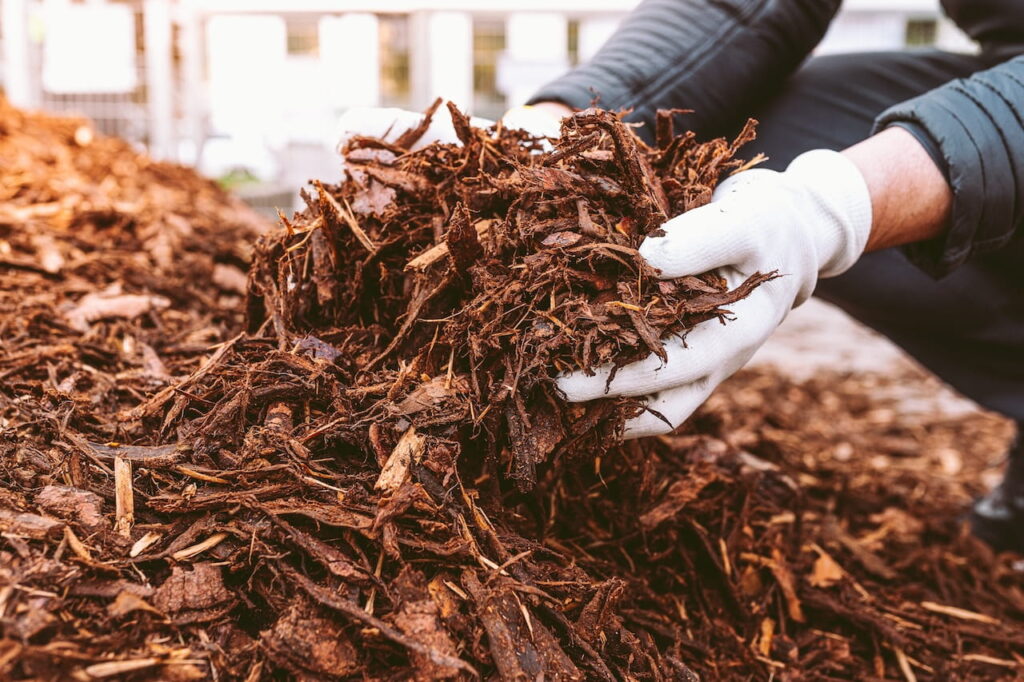
Mulching improves soil health, moisture retention, and weed control, but common mistakes can damage plants and waste time. Learn how to mulch correctly, choose the right materials, and support healthier garden beds in Southern Oregon.
Why Weeding Your Lawn & Garden Matters More Than You Think
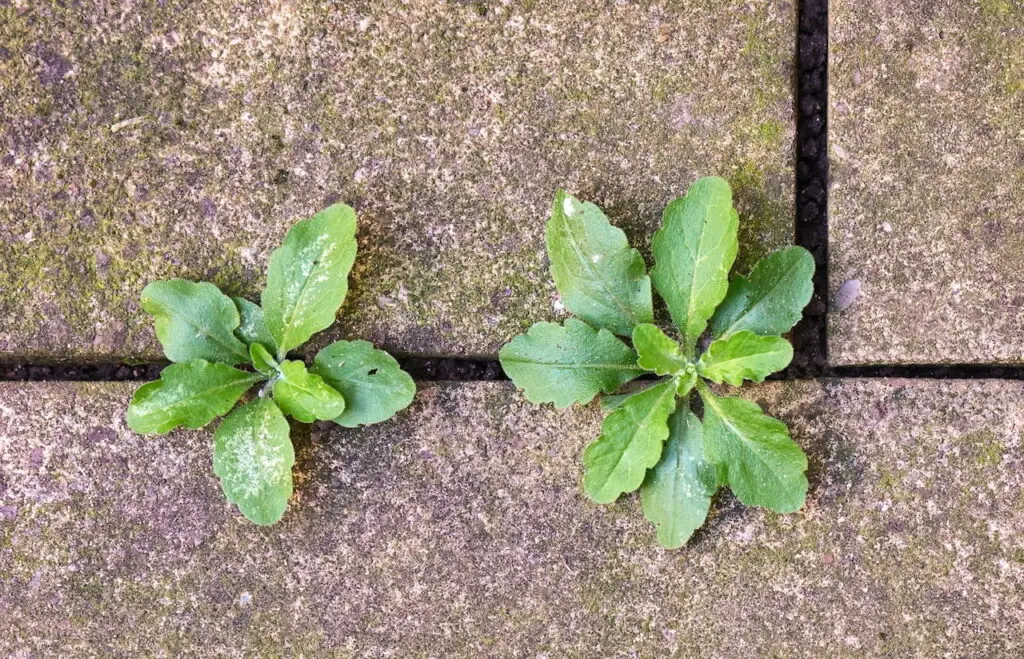
Many homeowners treat weeding as a cosmetic chore, but it plays a critical role in protecting lawn health, soil moisture, and plant performance. In Southern Oregon’s dry climate, invasive weeds like Himalayan blackberry, dandelions, and crabgrass compete for water and nutrients, quickly turning small problems into costly landscape repairs. Understanding why weeds spread, how to remove them effectively, and which tools work best can help homeowners maintain a healthier, more resilient yard year-round.