Most homeowners think of weeding as a cosmetic chore—something you do to keep the yard looking tidy. But regular weeding is far more than a visual fix. It’s a foundational practice that protects landscape health, maintains curb appeal, strengthens plant performance, and prevents costly repairs down the line. For Southern Oregon properties where dry summers, disturbed soils, and invasive species create persistent weed pressure, staying ahead of unwanted growth isn’t optional—it’s essential to preserving your outdoor investment. Understanding why weeding matters, which tools work best, and how to approach plant weeding strategically can transform maintenance from a frustrating battle into a manageable, proactive routine.
Weeding Does More Than Make Your Yard Look Better
Weeds aren’t just unsightly—they’re aggressive competitors that steal resources from your turfgrass, flowers, shrubs, and edible plants. Every weed in your lawn or garden bed is consuming water, sunlight, nutrients, and physical space that should be supporting desirable vegetation. Invasive weeds spread rapidly in neglected areas, reducing biodiversity and crowding out the plants you’ve carefully selected and paid to install. According to Oregon State University resources, invasive species create significant ecological problems by displacing native and ornamental vegetation, disrupting soil health, and creating conditions that favor even more invasive growth. When left unchecked, common weeds in Oregon landscapes can transform a well-designed yard into an overgrown mess in a single growing season.
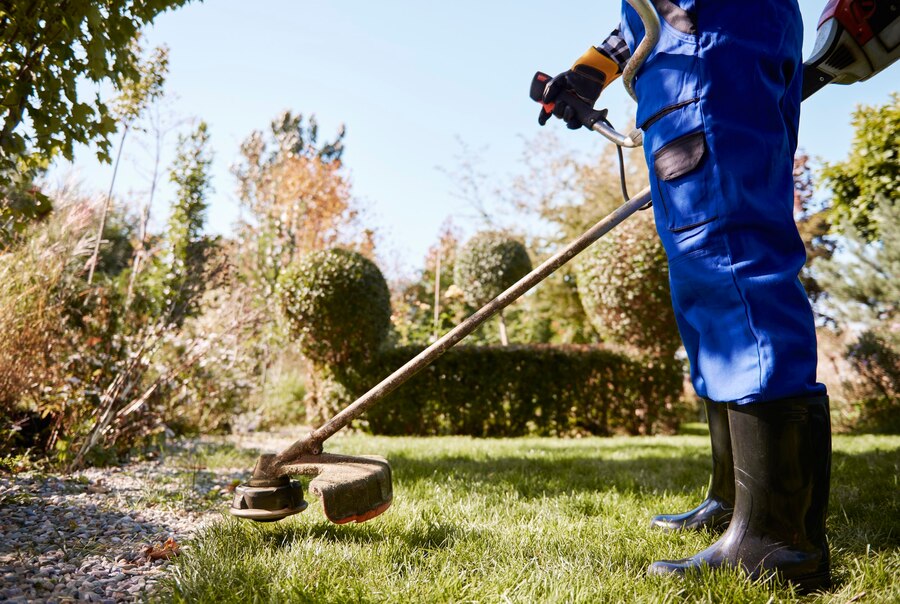
Weeds Steal Water and Nutrients From Desirable Plants
In Southern Oregon’s dry summer months, water is the most valuable resource in any landscape. Weeds stress lawns and planting beds by consuming limited moisture that should be reaching your grass, flowers, and shrubs. Deep-rooted broadleaf weeds like dandelions tap into soil moisture reserves, while dense surface weeds create competition zones where shallow-rooted ornamentals struggle. Nutrient competition is equally problematic—fast-growing weeds absorb nitrogen, phosphorus, and potassium at rates that often exceed the uptake of slower-growing desirable plants. The result is weaker turf, underperforming garden beds, and landscape maintenance that becomes increasingly expensive as you try to compensate with additional fertilizer and irrigation.
Weeds Can Turn Small Problems Into Expensive Landscape Repairs
Delayed weed control creates a domino effect of landscape problems. Overgrown beds require complete renovation rather than simple maintenance. Declining turf needs sod replacement instead of overseeding. Clogged irrigation systems work inefficiently, wasting water and money. What could have been addressed with routine lawn weed removal becomes a major cleanup project requiring professional intervention, equipment rental, or complete replanting. Homeowners who neglect seasonal yard cleanup often face repair bills that far exceed the cost of regular landscape maintenance. The financial argument for consistent weed control is clear: prevention costs less than restoration.
Overgrowth Hurts Curb Appeal and Property Pride
Beyond practical concerns, neglected weeds damage the visual impact of your property. Messy beds filled with thistles and spurge, lawns dotted with dandelions and clover, and fence lines overtaken by blackberry vines all communicate a lack of care. For homeowners who’ve invested in professional garden bed installation or quality sod installation, watching weeds erode that investment is particularly frustrating. Curb appeal matters for property values, neighborhood standards, and personal satisfaction. A landscape that looks cared for reflects well on the homeowner and the community.
Regular Weeding vs. Neglected Landscape Comparison
| Factor | Regular Weeding | Neglected Landscape |
| Lawn Health | Dense, green turf with minimal bare spots | Thin, patchy grass with weed takeover |
| Garden Beds | Clean, mulched, easy to maintain | Overgrown, requires renovation |
| Maintenance Cost | Low, routine effort | High, major cleanups needed |
| Curb Appeal | Professional, well-kept appearance | Messy, neglected look |
Why Proper Weeding Matters in Southern Oregon
Grants Pass homeowners face unique weed control challenges shaped by local climate and geography. Hot, dry summers stress turf and ornamental plants, creating openings where opportunistic weeds establish quickly. Disturbed soils from new construction, fence line edges, open lots, and unmanaged property boundaries provide ideal conditions for invasive weeds to gain footholds before spreading into maintained areas. Himalayan blackberry, one of the most aggressive invasive plants in western Oregon, thrives in neglected or disturbed areas and can form impenetrable thickets within a few seasons. During drought stress periods, weeds competing for limited moisture weaken lawns and ornamental plantings faster than in more temperate climates. Additionally, many homeowners in managed communities must maintain weed-free lawns as part of HOA landscaping requirements, making regular weed control a compliance issue as well as an aesthetic one. Bare patches from recent sod installation, new landscape installations, property edges, and areas around fences or outbuildings all require vigilant monitoring to prevent weed establishment.
Blackberries Are More Than a Nuisance Here
Himalayan blackberry deserves special attention as a major Southern Oregon overgrowth issue. According to OSU resources, this invasive species is widespread throughout the Pacific Northwest, can live for many years, and produces canes that may reach up to 15 feet in length. Dense blackberry thickets crowd out desirable vegetation, create wildlife habitat problems, and make property edges unusable. Blackberry removal becomes exponentially more difficult the longer it’s delayed, requiring heavy-duty tools for taking out weeds and often professional intervention. Early detection and consistent follow-up are the only practical long-term Himalayan blackberry control strategies for residential properties.
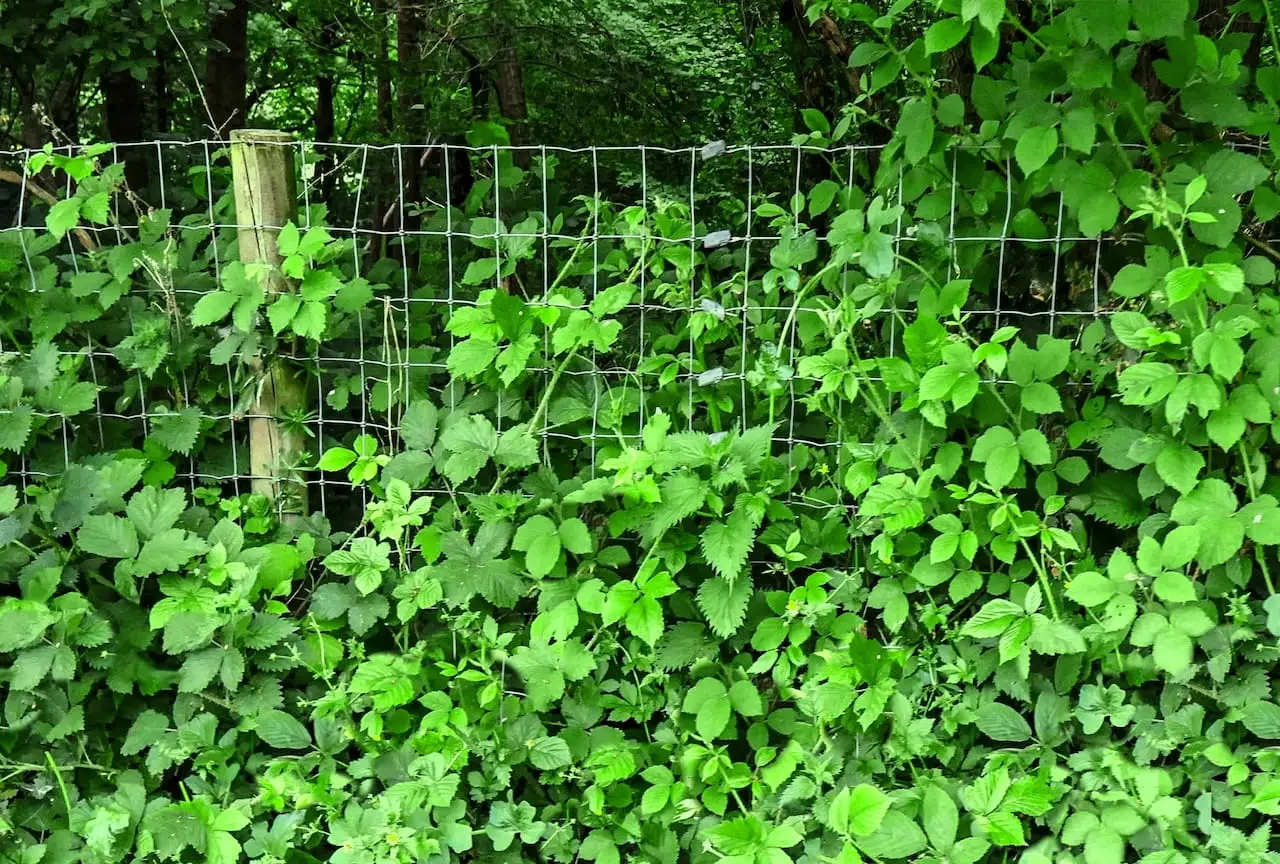
What Happens When Weeds Are Left Alone
Neglecting weed control triggers a chain reaction of landscape degradation. Spreading root systems expand underground while visible growth produces thousands of seeds. Dense weed cover reduces airflow around desirable plants, creating humid microclimates that encourage fungal diseases. Turf weakens and thins as aggressive weeds dominate the root zone. What began as a few scattered weeds becomes an entrenched problem requiring significantly more labor, time, and expense to resolve. For perennial weeds and blackberry, waiting makes control exponentially harder—OSU advises eliminating perennial weeds early because they become extremely difficult to control once well-established. The longer you wait, the more expensive and disruptive the eventual cleanup becomes.
Seed Heads Turn One Weed Into Many
Timing is critical in weed prevention. A single dandelion can produce up to 15,000 seeds in one season. Annual grassy weeds like crabgrass spread hundreds of seeds from each plant before dying back in fall. Removing weeds before they flower and set seed is one of the smartest maintenance moves any homeowner can make. This single practice—catching weeds early—prevents exponential multiplication and keeps weed pressure manageable year after year.
Established Root Systems Are Harder to Remove
Young weeds pull easily. Established weeds require serious effort. Taproots like those of dandelions and thistles can extend 10 to 12 inches deep, breaking off when pulled and resprouting from any fragment left behind. Spreading weeds like clover and oxalis create dense mats of runners and crowns that regrow aggressively if not completely removed. The lesson is clear: early intervention with proper weeding techniques saves countless hours of frustration later.
Neglected Overgrowth Can Add Fire Risk
OSU wildfire guidance specifically notes that invasive plants such as Scotch broom and Himalayan blackberry are highly flammable and should be reduced whenever possible. In Southern Oregon, where wildfire risk is a persistent concern, overgrown yard cleanup isn’t just about aesthetics—it’s a safety issue. Dense, dry vegetation near structures or property lines creates fuel loads that increase fire danger during summer months. Regular garden weed removal and blackberry removal reduce these risks while improving overall property safety.
Common Weeds Southern Oregon Homeowners Should Know
Identifying common weeds in your landscape helps you choose the right removal approach and understand why certain areas are more vulnerable than others. Here are the most frequent offenders in western and Southern Oregon yards.
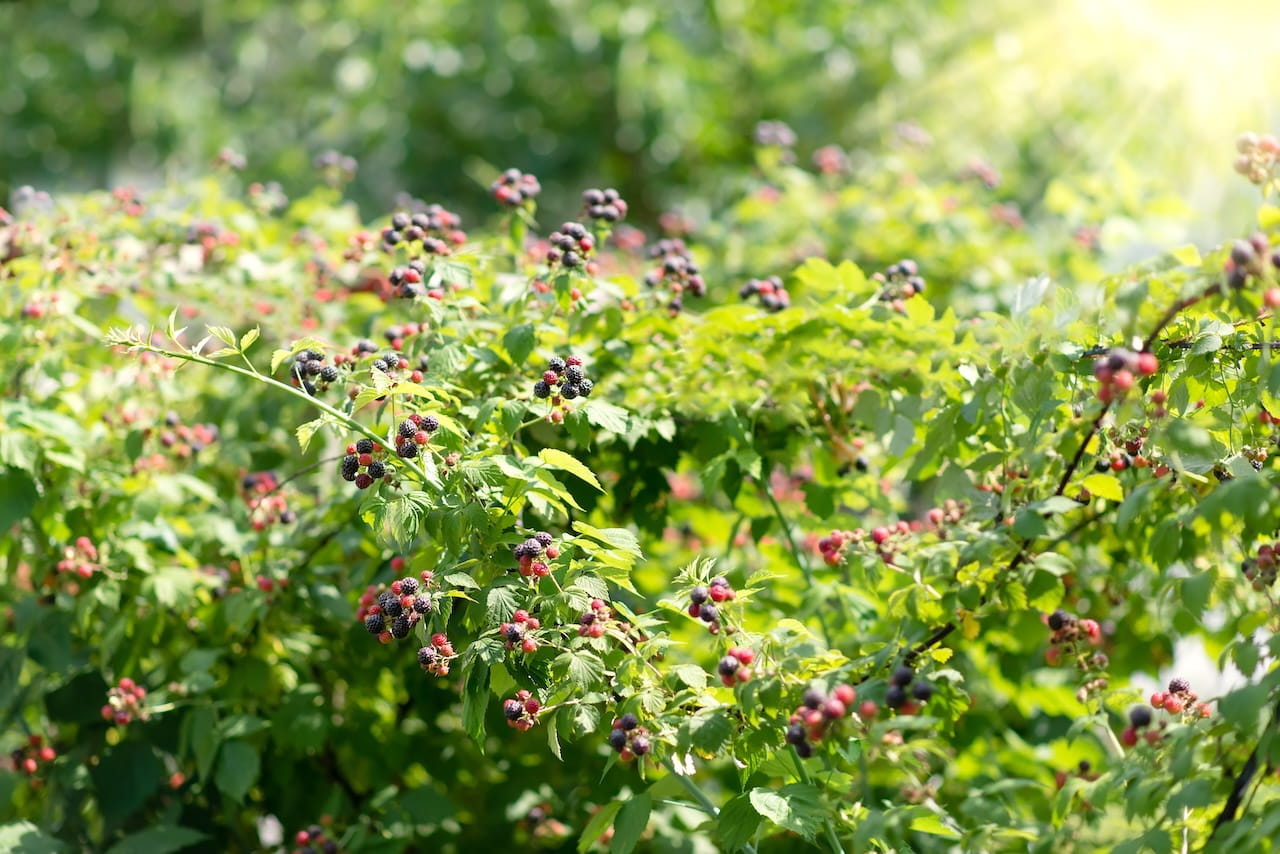
Himalayan Blackberry
Dense thorny thickets, aggressive spread via both seeds and root fragments, canes that can reach 15 feet. Takes over fence lines, property edges, and neglected corners. Widely recognized as a noxious invasive weed in Oregon landscapes.
Dandelion
One of the most common broadleaf weeds in lawns. Easy to identify by its yellow flowers and fluffy seed heads. Spreads rapidly by seed and often signals thinning turf or open lawn space where competition is weak.
Clover
Appears in lawns with thin turf or nutrient imbalances, particularly low nitrogen. Can spread fast in underperforming lawns, creating dense patches that crowd out grass.
Thistle
Spiny, unpleasant to handle, and difficult to control once established. Deep taproots make complete removal challenging. Early removal is essential before root systems mature.
Crabgrass and Other Annual Grassy Weeds
Fill thin, sunny, stressed lawn areas quickly during warm weather. Annual grassy weeds germinate in spring, grow aggressively through summer, and die back in fall after producing massive amounts of seed.
Spurge, Plantain, and Oxalis
Low-growing weeds that invade walkways, garden beds, and compacted lawn areas. Spurge and oxalis spread by seed and creeping stems; plantain tolerates foot traffic and forms rosettes in bare lawn patches.
Common Weed Identification Guide
| Weed Name | Where It Shows Up | Why It’s a Problem | Best Time to Remove |
| Himalayan Blackberry | Fence lines, property edges, neglected areas | Forms impenetrable thickets, fire hazard | Early spring before new growth |
| Dandelion | Thin lawns, open lawn space | Spreads thousands of seeds per plant | Before flowering (spring) |
| Clover | Lawns with low nitrogen, thin turf | Crowds out grass, spreads quickly | Early season before spreading |
| Crabgrass | Thin, sunny, stressed lawn areas | Fills bare patches, produces massive seed | Late spring (prevent germination) |
| Thistle | Beds, lawns, disturbed soil | Deep taproot, difficult once mature | Early, before root establishes |
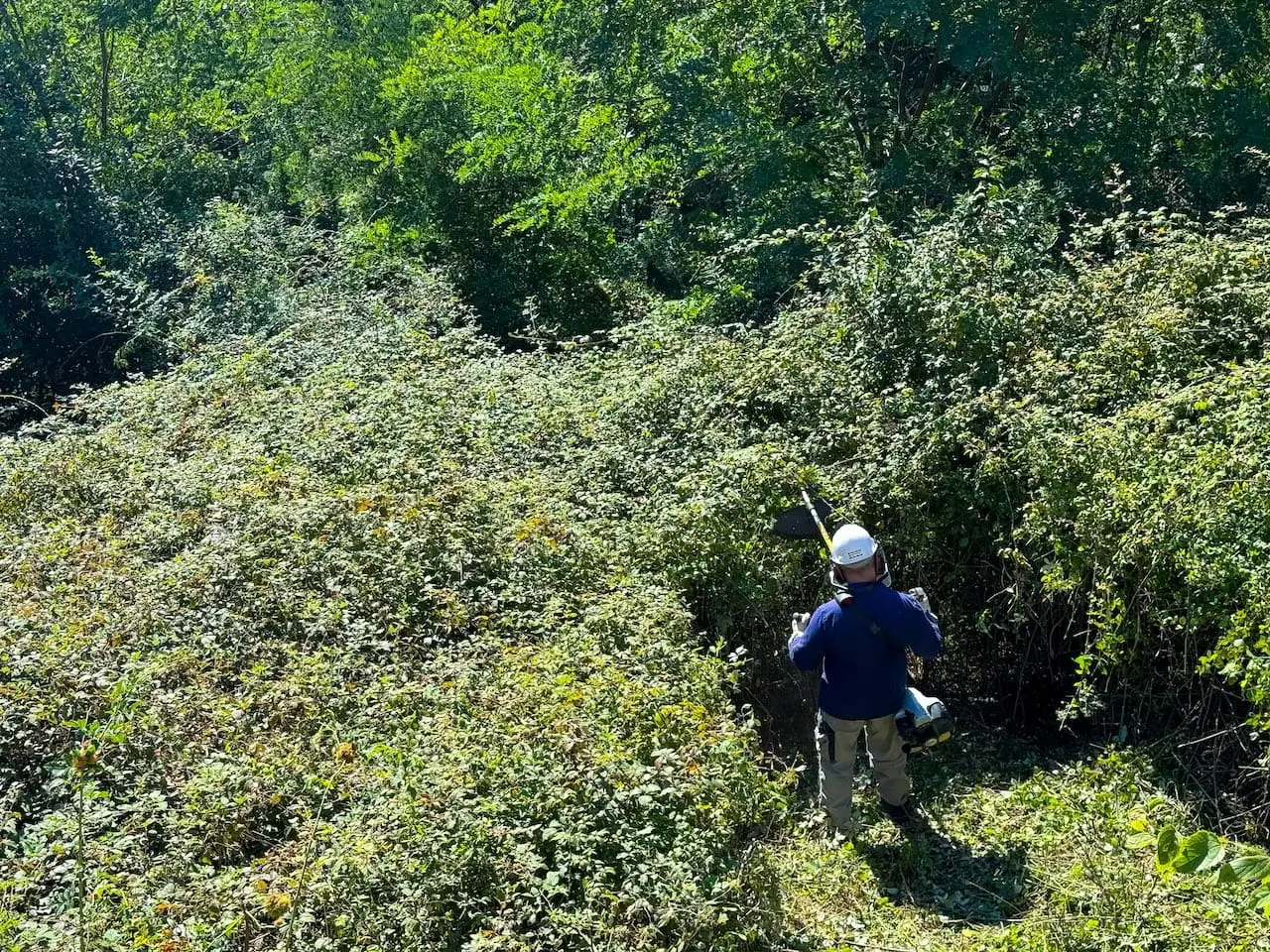
The Best Tools for Taking Out Weeds
The right weeding tools make the difference between frustration and efficiency. Choosing appropriate tools for taking out weeds depends on weed type, root depth, and location.
Hand Weeders for Taproot Weeds
Ideal for dandelions, thistles, and similar broadleaf weeds where complete root removal is critical. Forked hand weeders or stand-up versions with foot levers allow you to extract the entire taproot without breaking it off underground.
Hoes for Garden Beds and Surface Weeds
Best for shallow-rooted weeds in open soil and garden bed maintenance. Stirrup hoes and scuffle hoes efficiently cut weeds just below the soil surface in cultivated beds.
Garden Forks and Shovels for Deep or Established Growth
Necessary for stubborn perennial weeds with extensive root masses. Use these to loosen soil around large weed clumps before extraction.
Pruners, Loppers, and Heavy-Duty Tools for Blackberry Removal
Blackberry control often starts with cutting canes back using heavy-duty loppers or brush cutters, then repeatedly managing regrowth or removing crowns and roots. OSU notes there is no simple one-step natural solution—repeated follow-up is essential for successful Himalayan blackberry control.
Mulch as a Weed Prevention Tool
While not a removal tool, mulch for weed control is one of the most effective prevention strategies. A 2- to 3-inch layer of organic mulch blocks light from reaching weed seeds, preserves soil moisture for desirable plants, and makes any weeds that do emerge easier to pull.
Smart Plant Weeding Practices That Protect Your Landscape
Effective plant weeding goes beyond simply removing unwanted growth—it requires techniques that protect desirable plants while preventing future weed problems.
1. Weed When Soil Is Slightly Moist
Roots extract more completely and easily after light watering or following rain. Dry, compacted soil causes roots to break off, leaving fragments that resprout.
2. Remove Weeds Before They Flower and Seed
Prevention beats reaction every time. OSU recommends not allowing annual or perennial weeds to go to seed. Catching weeds before flowering prevents exponential spread and keeps weed control manageable.
3. Avoid Damaging Nearby Ornamentals and Root Zones
Technique matters around shrubs, perennials, and vegetable beds. Aggressive digging or pulling can damage shallow ornamental roots. Work carefully in established planting areas.
4. Follow Up Matters More Than One Big Cleanup
Consistent lawn care maintenance beats occasional major removals. Weekly or biweekly attention prevents small weed issues from becoming overwhelming problems. M&B Landscaping’s maintenance programs are built on this principle—regular visits stop weeds before they spread, seed, or damage your landscape investment.
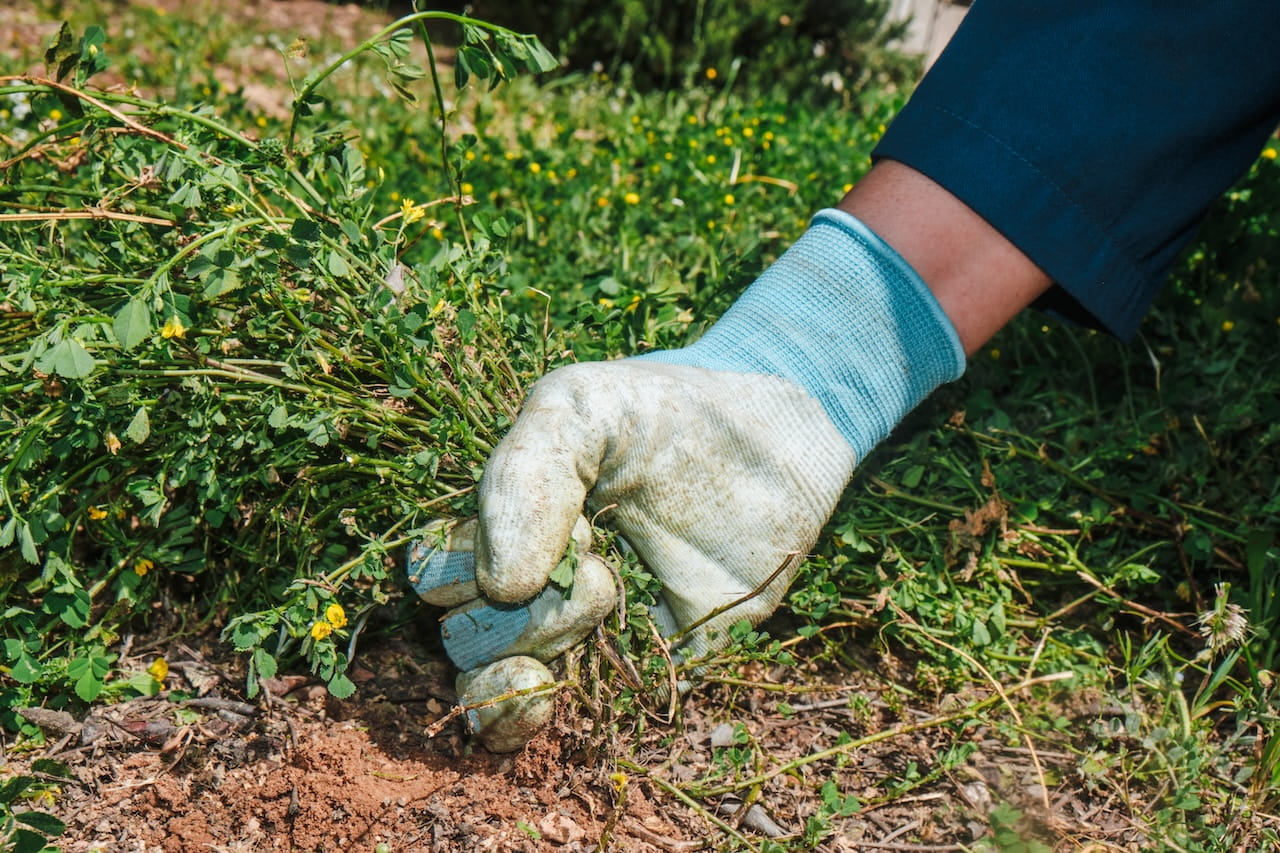
How Regular Weeding Supports Better Lawn and Soil Health
Weed control directly supports stronger turf, healthier planting beds, and better growing conditions throughout your landscape. The benefits compound over time as soil health and weeds become increasingly connected.
Healthier Soil Moisture Balance
Less competition means water reaches intended plants more effectively. Healthy lawn tips always emphasize dense turf as natural weed suppression—thick grass shades soil, retains moisture, and prevents weed seed germination. Weed control and turf density create a virtuous cycle.
Cleaner Beds Make Mulch and Soil Amendments More Effective
Weed-free beds are easier to maintain and improve over time. Mulch stays in place rather than mixing with weed debris. Fertilizers and soil amendments reach plant roots instead of feeding competing weeds. The return on investment for garden bed installation and soil improvements increases dramatically when weeds aren’t stealing resources.

When DIY Weeding Stops Being Enough
Some situations exceed what weekend maintenance can reasonably address.
M&B Landscaping specializes in helping Grants Pass homeowners tackle recurring weed growth, thorny overgrowth, large properties, and blackberry invasions that resist DIY efforts.
Common scenarios where professional weed control services makes sense include blackberry thickets along property lines, weeds returning every few weeks despite regular effort, weeds established along fences and slopes where access is difficult, overgrown beds requiring complete renovation, and large neglected areas that need systematic clearing and ongoing management. Professional landscaper teams have the experience, equipment, and follow-through capacity to solve persistent weed problems efficiently.
The Value of a Landscape Maintenance Plan
Routine maintenance visits from M&B Landscaping stop weeds before they spread, seed, or damage your landscape investments. Our yard clean-up and ongoing maintenance programs combine strategic weed prevention with seasonal adjustments, ensuring your property stays ahead of weed pressure year-round. The cost of prevention is always lower than the cost of restoration.
Keep Your Grants Pass Landscape Healthy With Proactive Weeding
Weeding protects the health, appearance, and longevity of your landscape. It’s not just about pulling plants you don’t want—it’s about preserving resources for the plants you do want, preventing costly repairs, maintaining property value, and creating outdoor spaces you’re proud to enjoy. Whether you’re managing routine garden weed removal or facing a more serious invasive weed challenge, the principles remain the same: act early, use appropriate tools, follow up consistently, and don’t hesitate to call in professional help when the situation demands it.
Need Help Reclaiming Your Yard?
M&B Landscaping helps Grants Pass homeowners keep lawns, beds, and outdoor spaces clean, healthy, and under control—from routine weeding to blackberry removal.
Sources:
Oregon State University. (2025, Feb. 4). Himalayan blackberry. Solve Pest Problems. https://solvepestproblems.oregonstate.edu/weeds/himalayan-blackberry