Wildfire season is an increasingly urgent concern for homeowners throughout Southern Oregon. As dry summer months transform lush landscapes into tinder-dry fuel sources, the risk of devastating fires grows exponentially. While you can’t control weather patterns or regional fire conditions, you can significantly reduce wildfire risk on your property through thoughtful landscaping choices.
Strategic plant selection, proper vegetation management, and well-designed hardscaping create defensible space that can slow or stop fire spread, protecting your home and giving firefighters better odds of saving structures during an active wildfire. Professional landscape planning and maintenance services help homeowners stay prepared year after year, ensuring that wildfire protection measures remain effective as seasons change and plants mature.
M&B Landscaping specializes in helping Grants Pass area homeowners design and maintain landscapes that balance beauty, functionality, and fire safety.
Why Wildfire Preparation Matters in Southern Oregon
Southern Oregon’s geography and climate create conditions that favor large, fast-moving wildfires. Homeowners in Grants Pass and surrounding communities should proactively prepare their landscapes rather than waiting until fire danger becomes imminent. Understanding regional conditions helps motivate the necessary planning and investment in fire-resistant landscaping strategies.
Dry Summers and High Fire Risk
Southern Oregon experiences hot, dry summers with extended periods of low humidity and minimal rainfall from June through September. During these months, vegetation that appeared green and healthy in spring becomes desiccated fuel. Grasses cure to golden brown, shrub foliage loses moisture content, and fallen leaves accumulate in dry layers beneath trees and along fence lines. When relative humidity drops below 15 percent and temperatures climb above 95 degrees, even typically fire-resistant plants can ignite and carry flames. These conditions, combined with occasional high winds, create the perfect storm for rapid wildfire spread across landscapes and into residential areas.
Landscaping Plays a Key Role in Fire Prevention
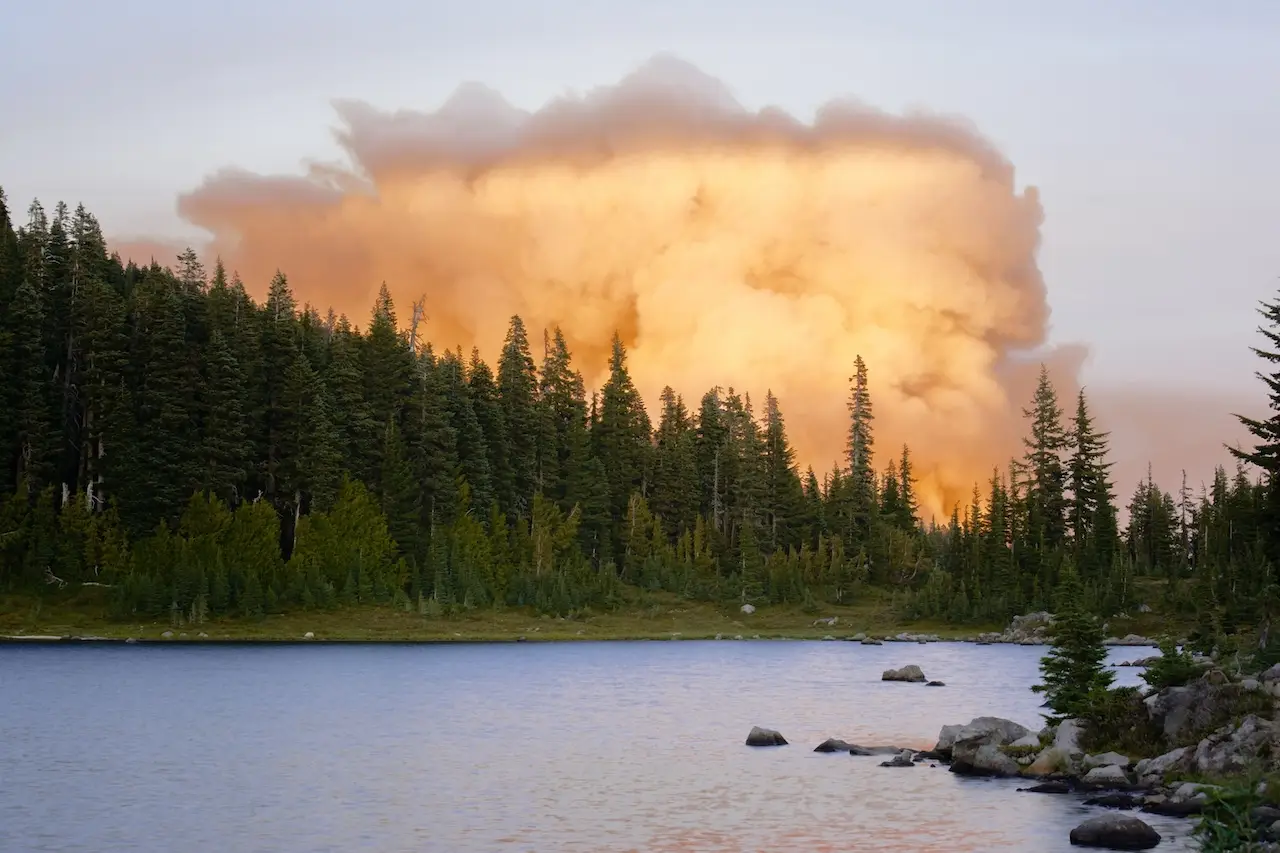
Property design, plant choices, and routine yard maintenance directly influence how fire behaves when it reaches your property. Continuous beds of flammable shrubs create pathways that carry flames toward structures. Dense tree canopies allow fire to climb from ground fuels into crowns, where it spreads more rapidly and generates intense heat. Conversely, landscapes designed with fire safety in mind use strategic spacing, fire-resistant plant selections, and hardscaping elements to interrupt fuel continuity and slow fire progression. These design choices don’t guarantee absolute protection, but they dramatically improve the odds that your home will survive a wildfire event.
Firewise Landscaping Can Protect Homes
Firewise landscaping is a nationally recognized approach that focuses on reducing flammable materials around homes and creating defensible space where firefighters can safely work. The concept emphasizes plant selection, vegetation management, and hardscape integration to minimize ignition sources near structures. Firewise principles are particularly relevant in Southern Oregon, where wildfire season coincides with the peak growing season and homeowners must balance aesthetic goals with practical fire safety. Implementing Firewise strategies doesn’t mean sacrificing curb appeal—it means making informed choices about what you plant, where you plant it, and how you maintain it.
Understanding Defensible Space Around Your Home
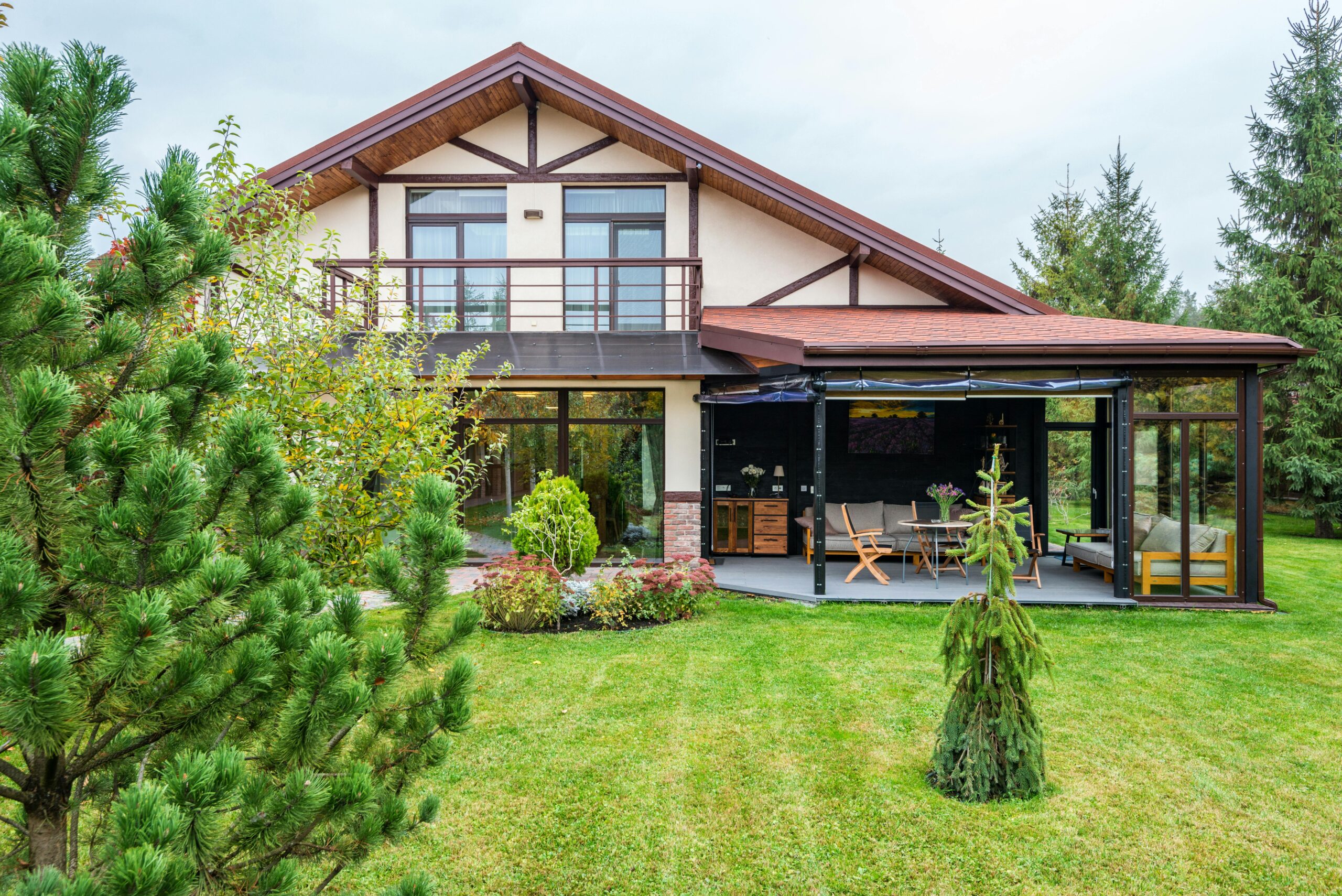
Defensible space is the buffer zone between your home and the surrounding landscape where vegetation is managed to reduce fire intensity and flame spread. Creating and maintaining defensible space is one of the most critical wildfire protection strategies available to homeowners. This area is typically divided into zones, each with specific management requirements based on distance from structures.
Zone 1: The Immediate Area Around Your Home
Zone 1 extends from the foundation of your home to at least 5 feet outward, though some experts recommend extending this zone to 30 feet in high-risk areas. Within this immediate zone, the goal is to eliminate all combustible materials that could ignite from embers or radiant heat. Remove dead vegetation, dry leaves, and organic debris. Keep mulch layers thin—no more than 2 inches—and consider replacing wood mulch with gravel or decorative rock near foundations and decks. Choose low-growing, high-moisture plants like succulents or well-irrigated groundcovers. Prune tree branches that overhang roofs or touch structures, and remove any vegetation growing directly against siding or under decks. This zone requires the most intensive management and represents your last line of defense against fire reaching your home.
Zone 2: The Landscape Buffer Area
Zone 2 typically extends from 30 to 100 feet from structures, depending on terrain and local conditions. Within this buffer area, focus on reducing fuel continuity by spacing plants appropriately and eliminating ladder fuels—vegetation that allows fire to climb from ground level into tree canopies. Space trees so their canopies don’t touch, creating gaps that slow crown fire spread. Remove low-hanging branches on mature trees to at least 6 feet above ground, breaking the vertical fuel ladder. Thin dense shrub groupings to create islands of vegetation separated by non-combustible surfaces like gravel paths or mowed grass. Choose fire-resistant plant species for new plantings, and maintain existing vegetation through regular pruning and irrigation to keep moisture content high during dry months.
Zone 3: Managing Larger Property Areas
For homeowners with larger properties extending beyond 100 feet from structures, Zone 3 focuses on reducing overall fuel loads without intensive ongoing maintenance. Remove dead standing trees, clear brush piles, and thin dense forest understory to reduce fire intensity before it reaches closer zones. Maintain firebreaks along property lines, and keep access roads clear for emergency vehicle passage. While Zone 3 management is less intensive than inner zones, it plays a crucial role in slowing advancing wildfires and reducing the ember showers that can ignite spot fires ahead of the main fire front.
Firewise Landscaping Tips for Homeowners
Implementing Firewise landscaping doesn’t require a complete landscape overhaul. Strategic improvements made over time can significantly reduce wildfire risk while maintaining an attractive, functional outdoor space. Here are practical strategies Grants Pass homeowners can implement before wildfire season arrives.
1. Remove Dead Plants and Debris
Dead vegetation is wildfire fuel waiting to ignite. Clear dry leaves from gutters, roofs, and under decks. Remove dead branches from trees and shrubs, particularly those touching structures or hanging over pathways. Rake up fallen leaves and needles from beneath trees and along fence lines where they accumulate in thick, flammable layers. Dispose of yard waste properly rather than stockpiling brush piles on your property—these become dangerous fuel sources during fire season. Professional yard cleanup services can tackle large-scale debris removal efficiently, especially in spring before fire danger peaks and again in fall after leaf drop.
2. Trim Trees and Space Vegetation Properly
Proper spacing prevents flames from jumping between plants and structures. Prune tree branches to create at least 10 feet of clearance between tree canopies and rooflines. Remove lower branches on mature trees to eliminate ladder fuels that could carry ground fire into crowns. Space shrubs and trees so mature plants maintain separation—a good rule of thumb is to space trees at least 10 feet apart and shrubs 3 to 5 feet apart depending on mature size. This spacing slows fire spread and reduces heat intensity near your home. Regular pruning maintains these clearances as plants grow and mature over time.
3. Choose Fire-Resistant Plants
While no plant is completely fireproof, some species resist ignition better than others. Fire-resistant plants typically have high moisture content in leaves and stems, low resin or oil content, and grow close to the ground with minimal dead material in their canopies. Examples include many deciduous trees, succulents like sedum and ice plant, and herbaceous perennials with fleshy leaves. Avoid highly flammable plants such as juniper, ornamental grasses that cure to dry tinder, and conifers with high resin content near your home. When planning new landscape installations, consult with professionals who understand regional plant performance and can recommend attractive, fire-resistant alternatives appropriate for Southern Oregon conditions.
4. Maintain Healthy Irrigation Systems
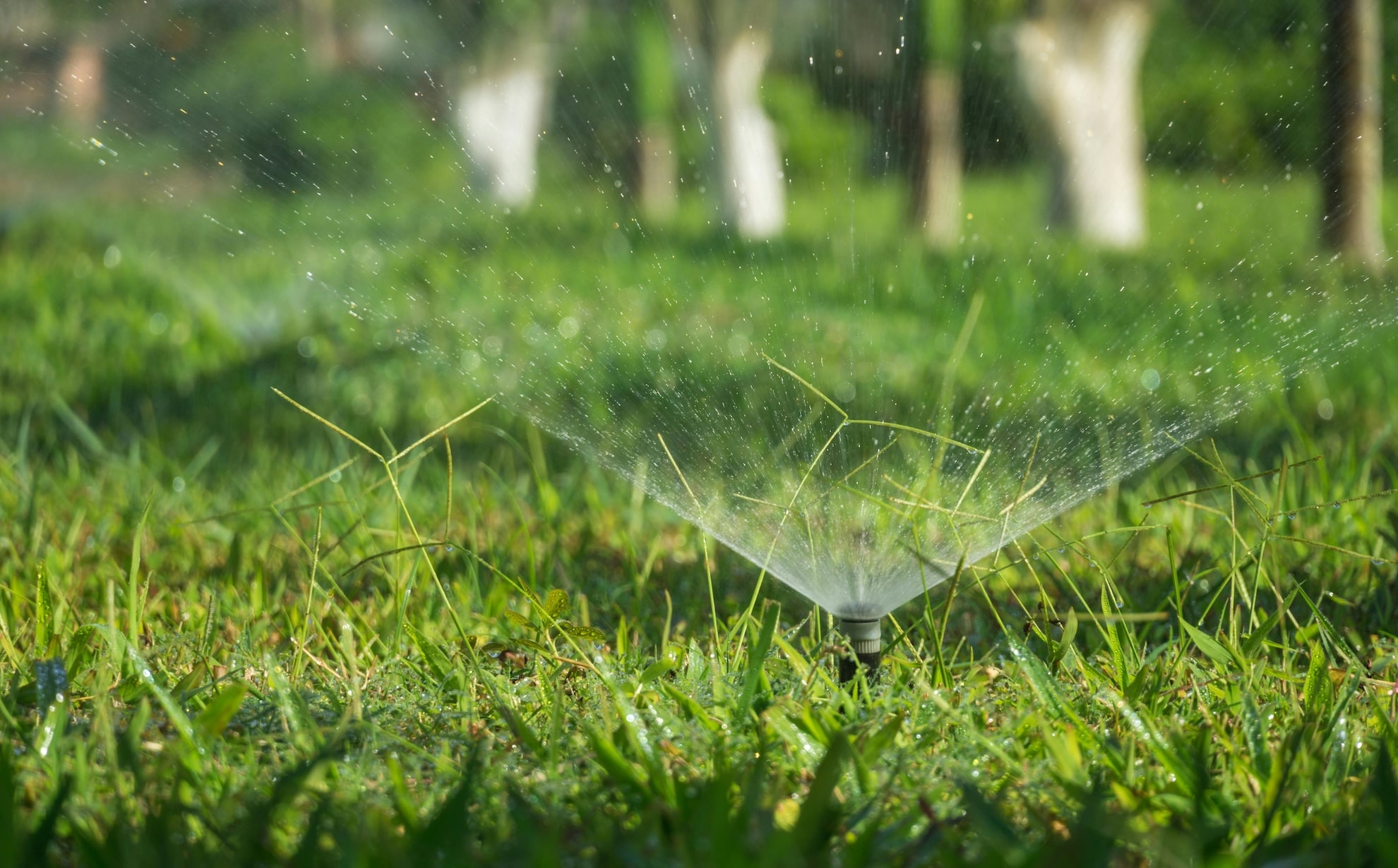
Well-watered plants are less likely to ignite and burn intensely than drought-stressed vegetation. Efficient irrigation systems, particularly drip irrigation systems that deliver water directly to root zones with minimal waste, help maintain plant health during Southern Oregon’s dry summers. Check irrigation systems in spring before peak water demand begins. Repair broken sprinkler heads, clear clogged emitters, and adjust watering schedules to ensure plants receive adequate moisture throughout wildfire season. Dead zones in turf or wilting shrubs indicate irrigation problems that need immediate attention—these dry spots become vulnerable fire entry points. A professional sprinkler repair company like M & B can diagnose and fix system issues before they compromise your wildfire preparation efforts.
Reduce Fire Risk With Smart Hardscaping
Hardscaping creates natural fire breaks and reduces the total amount of combustible vegetation on your property. Non-flammable materials like stone, concrete, and gravel interrupt fuel continuity and provide fireproof zones where flames cannot spread. Strategic hardscaping also reduces landscape maintenance requirements while adding functional, attractive design elements.
Retaining Walls as Fire Barriers
Stone or masonry retaining walls serve dual purposes in fire-resistant landscaping. They provide structural support for sloped terrain while creating physical barriers that separate vegetation zones and slow fire spread. A well-designed retaining wall system can define defensible space boundaries, contain landscaping to specific zones, and prevent ground fires from climbing slopes toward structures. Retaining walls also enable terraced planting designs that improve access for maintenance and firefighting while reducing continuous fuel beds on hillsides. Professional retaining wall services ensure walls are properly engineered for both structural integrity and fire safety benefits.
Gravel Paths and Stone Features
Replacing flammable ground covers like wood mulch or dry grass with gravel, pavers, or decorative rock creates fireproof surfaces that won’t ignite or carry flames. Gravel paths provide attractive walkways while serving as fire breaks between planting beds. Stone patios and courtyard areas near structures eliminate combustible materials in critical defensible space zones. Decorative rock mulches in planting beds reduce fuel loads compared to bark or wood chips, though living groundcovers or bare mineral soil are even better choices in Zone 1. These hardscape elements require minimal maintenance and remain effective year after year without the need for seasonal replacement.
Water Features for Moisture and Fire Buffer Zones
Ponds, fountains, and other water features add beauty while increasing ambient moisture in the surrounding landscape. The area around a pond or water feature naturally stays more humid, keeping nearby vegetation healthier and less susceptible to ignition. Additionally, accessible water features can serve as emergency water sources for firefighting if municipal water pressure fails or if you’re relying on well water with limited flow capacity. Professional water feature installation creates attractive focal points that enhance property value while contributing to overall fire safety strategies.
Landscaping Materials: Flammable vs. Fire-Resistant
| Material Type | Flammable Options (Avoid) | Fire-Resistant Alternatives |
| Ground Cover | Wood mulch, bark chips, dry grass | Gravel, decorative rock, irrigated groundcovers |
| Fencing | Wood fence, bamboo, untreated timber | Metal, stone, masonry, composite |
| Edging | Plastic, wood timbers | Steel, concrete, natural stone |
| Plants | Juniper, ornamental grasses, conifers | Succulents, deciduous trees, irrigated perennials |
| Deck Materials | Untreated wood, cedar | Fire-rated composite, concrete, stone pavers |
Artificial Turf as a Low-Fuel Landscaping Option
For homeowners in high-risk wildfire areas, artificial turf offers a practical alternative to natural grass that can become dry, flammable fuel during Southern Oregon’s summer drought. Modern artificial turf products provide year-round green appearance without the fire risk associated with cured natural grass. Key benefits include no dry vegetation fuel that can ignite and carry flames, dramatically reduced water usage during critical summer months when fire danger is highest, and lower maintenance requirements with no mowing, fertilizing, or seasonal overseeding. Artificial turf installations in defensible space zones create attractive, functional outdoor areas that won’t contribute to wildfire spread. While initial installation costs are higher than natural sod, the long-term water savings and reduced wildfire risk make artificial turf a strategic investment for fire-prone properties.
Routine Landscape Maintenance Helps Reduce Wildfire Risk
Wildfire preparation isn’t a one-time task completed in spring and forgotten until next year. Vegetation grows, debris accumulates, irrigation systems develop problems, and defensible space requires ongoing attention to remain effective. Regular landscape maintenance keeps properties safer throughout wildfire season and prevents small issues from becoming major vulnerabilities.
Seasonal Yard Cleanups
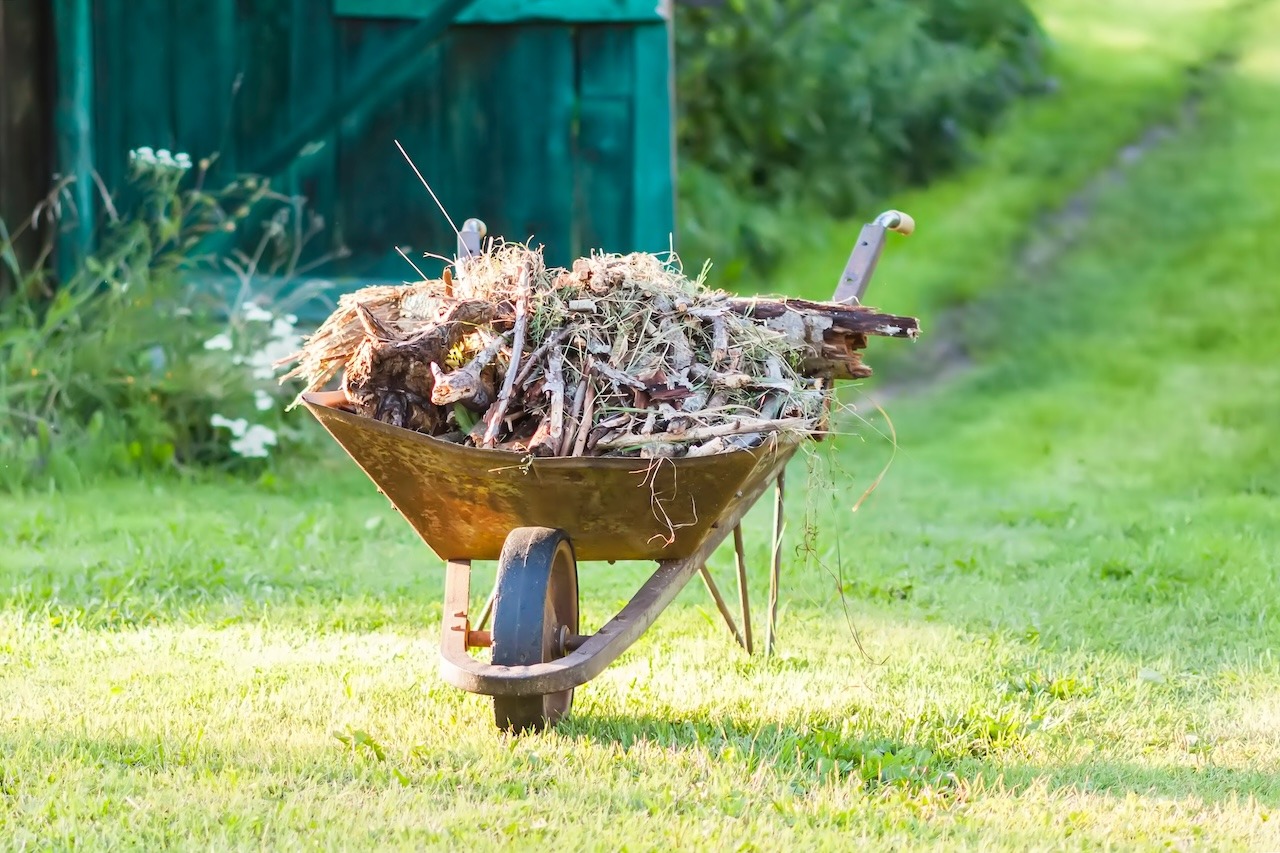
Spring and summer yard cleanup services address different fire safety needs. Spring cleanups focus on removing winter accumulations of dead leaves, fallen branches, and debris that collected during wet months. This prevents dry fuel buildup before hot weather arrives. Summer cleanups maintain defensible space throughout peak fire season by removing new growth, pruning back overgrown vegetation, and clearing areas where dry grass or weeds have encroached into maintained zones. Professional cleanup teams work efficiently, removing large volumes of material and disposing of it properly off-site rather than creating temporary brush piles that become fire hazards.
Ongoing Weed and Brush Control
Overgrown vegetation—particularly invasive species like Scotch broom and Himalayan blackberry—creates dangerous fuel loads that can ignite easily and burn intensely. These plants cure to dry, dense thickets during summer, forming continuous fuel beds that carry fire rapidly across properties. Regular weed and brush control prevents these invasions from establishing and eliminates them when they appear. Maintaining clean fence lines, property edges, and unmowed areas reduces fire pathways into your defensible space. This ongoing work is especially important in Southern Oregon where aggressive invasive species thrive in neglected areas.
Professional Landscaping Inspections
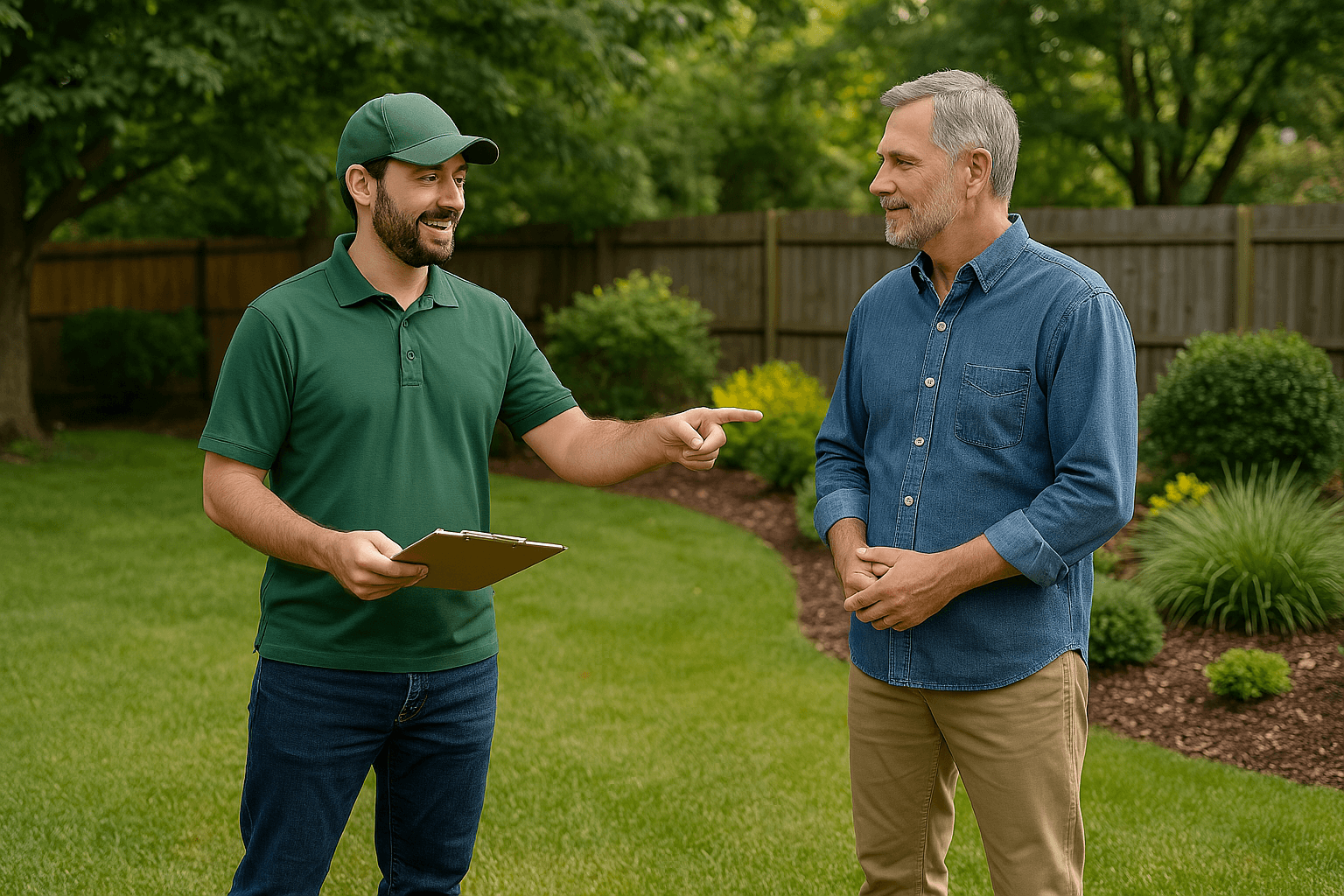
Annual landscape evaluations by experienced professionals identify fire risks that homeowners might overlook. Dead branches hidden in tree canopies, encroaching vegetation in defensible zones, failing irrigation systems, and accumulating debris in hard-to-reach areas all contribute to wildfire vulnerability. Professional inspections provide objective assessments and prioritized recommendations, helping homeowners focus resources on the most critical improvements. M&B Landscaping offers comprehensive landscape evaluations that include fire safety considerations, ensuring your property remains protected as conditions change and vegetation matures.
Preparing Your Landscape Before Wildfire Season Starts
Following a systematic checklist ensures you address all critical fire safety elements before wildfire danger peaks in Southern Oregon. Use this guide to evaluate your property and prioritize improvements.
Wildfire Landscaping Preparation Checklist
| Wildfire Preparation Task | Completed |
| Remove dry vegetation and debris from gutters, roofs, and under decks | ✅ |
| Trim tree branches away from roofs and structures (10+ feet clearance) | ✅ |
| Remove lower branches on trees to eliminate ladder fuels (6+ feet from ground) | ✅ |
| Maintain and test irrigation systems; repair any broken components | ✅ |
| Replace flammable ground cover with gravel, rock, or non-combustible alternatives in Zone 1 | ✅ |
| Thin dense shrub plantings and space trees to prevent fire spread | ✅ |
| Create and maintain defensible space zones (0-5 ft, 5-30 ft, 30-100 ft) | ✅ |
| Remove or relocate firewood, propane tanks, and combustible materials away from structures | ✅ |
| Clear weeds and invasive brush from fence lines and property edges | ✅ |
| Schedule professional landscape inspection for fire safety evaluation | ✅ |
Protect Your Southern Oregon Property With Smart Landscaping
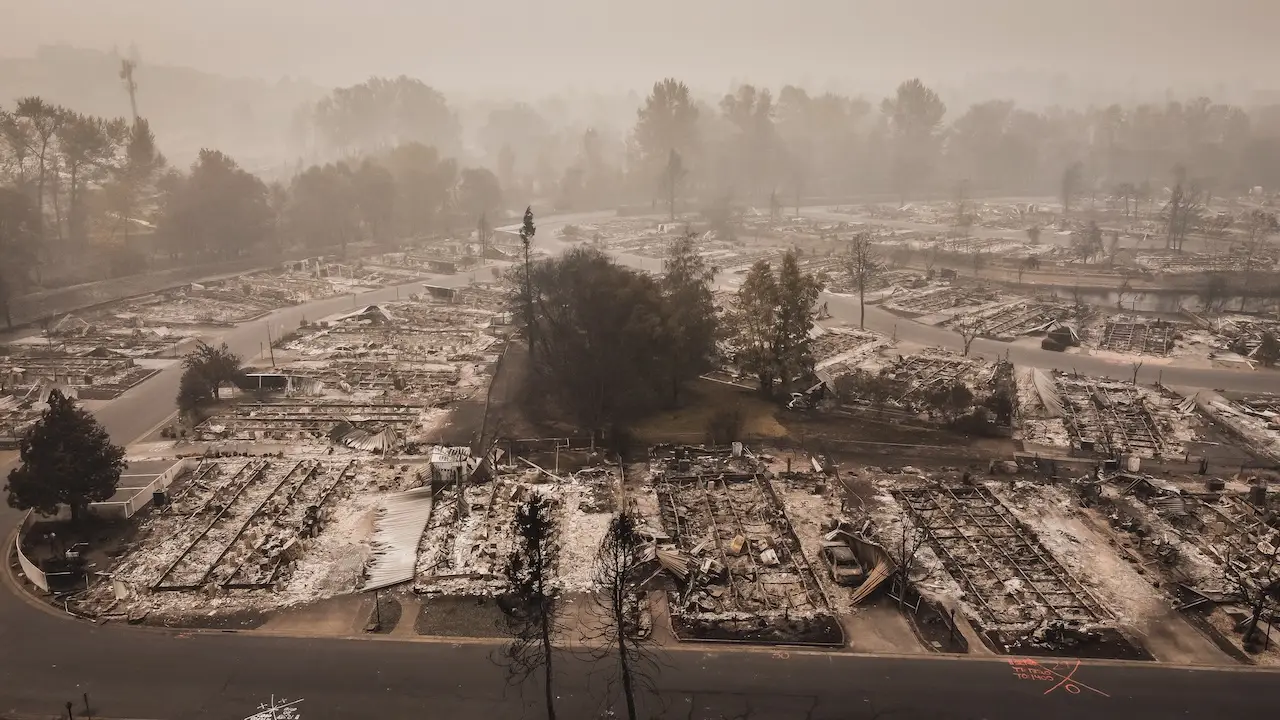
Proactive landscaping makes a meaningful difference in wildfire protection. While you can’t eliminate wildfire risk entirely, thoughtful design choices, strategic plant selection, appropriate hardscaping, and consistent maintenance dramatically improve your home’s odds of surviving a fire event. The most effective wildfire preparation happens before fire season arrives—ideally in early spring when you have time to make thoughtful decisions and complete necessary work before summer heat and fire danger peak. Don’t wait until smoke fills the sky to start thinking about defensible space and fire-resistant landscaping. Take preventative steps now, and partner with experienced professionals who understand both landscape design and wildfire safety principles.
Prepare Your Landscape for Wildfire Season
M&B Landscaping helps Southern Oregon homeowners design and maintain landscapes that are beautiful, sustainable, and safer during wildfire season.